


Ivory Coast: A West African Presidential Republic
 Global Newsflix 1 min read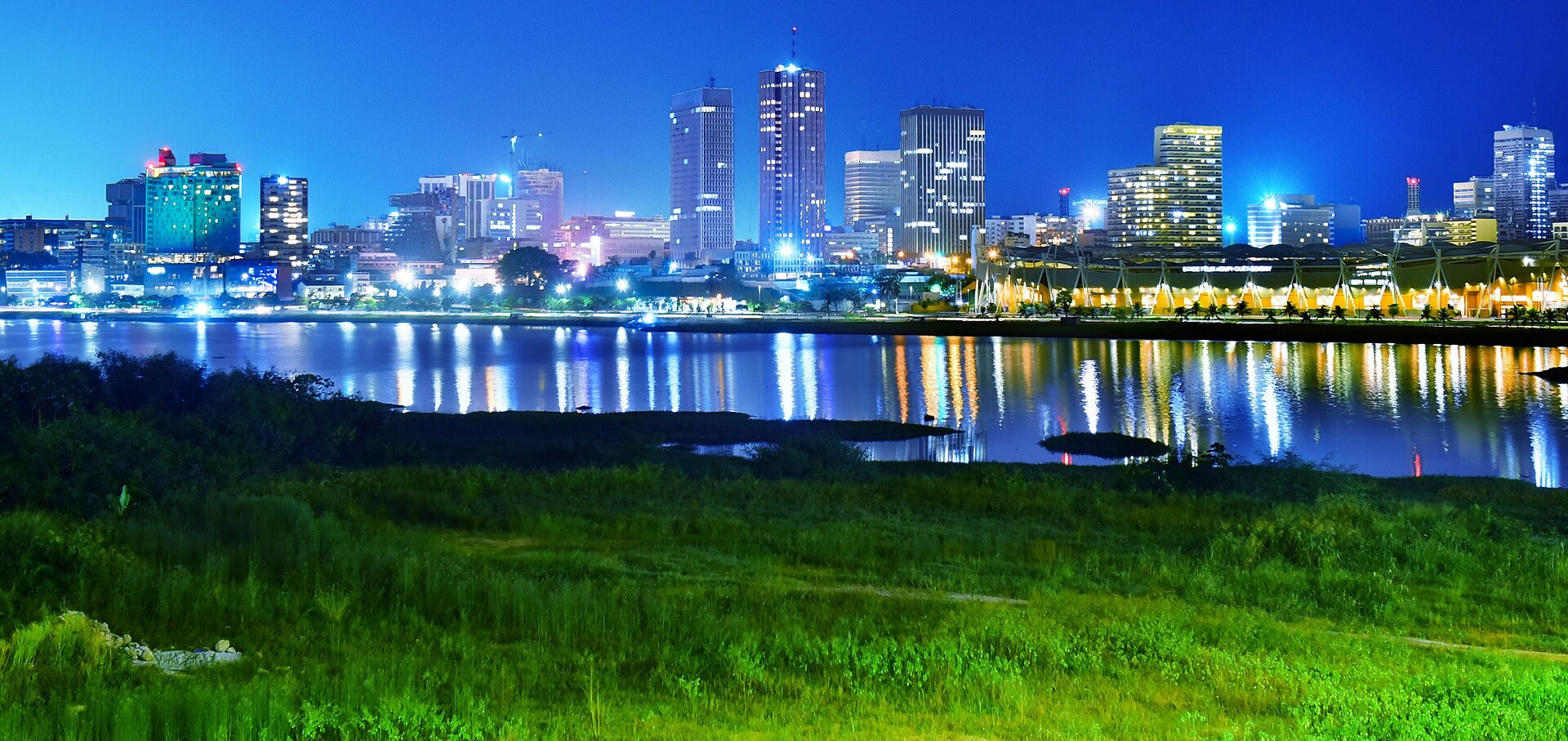
Ivory Coast, officially the Republic of Côte d'Ivoire, is a coastal West African state with its economic hub in Abidjan. The country uses the West African CFA franc currency and is a member of the West African Economic and Monetary Union. It is bordered by Liberia, Guinea, Mali, Burkina Faso, and Ghana, with Abidjan being the main business, port, finance, media, and diplomatic centre.
Key facts
- Ivory Coast is a coastal West African state with its economic hub in Abidjan.
- The country uses the West African CFA franc currency and is a member of the West African Economic and Monetary Union.
- Abidjan is the main business, port, finance, media, and diplomatic centre of Ivory Coast.
Three perspectives
Neutral
Ivory Coast is a presidential republic with its economic centre in Abidjan, while Yamoussoukro holds the constitutional title of capital. The country has a diverse geography and a multilingual population. The distinction between Abidjan and Yamoussoukro is crucial for newcomers.
Positive
Ivory Coast offers opportunities for business and trade, with its strategic location on the Gulf of Guinea and its position as the world's leading cocoa sector. The country's economic growth and development are expected to continue. The multilingual population and diverse geography make it an attractive destination for foreign residents.
Negative
Ivory Coast faces challenges related to its economic dependence on cocoa and the need for diversification. The country's geography and climate also pose risks, such as flooding and soil degradation. The distinction between Abidjan and Yamoussoukro may create confusion for newcomers.