
Left-Hand Traffic: A Global Habit
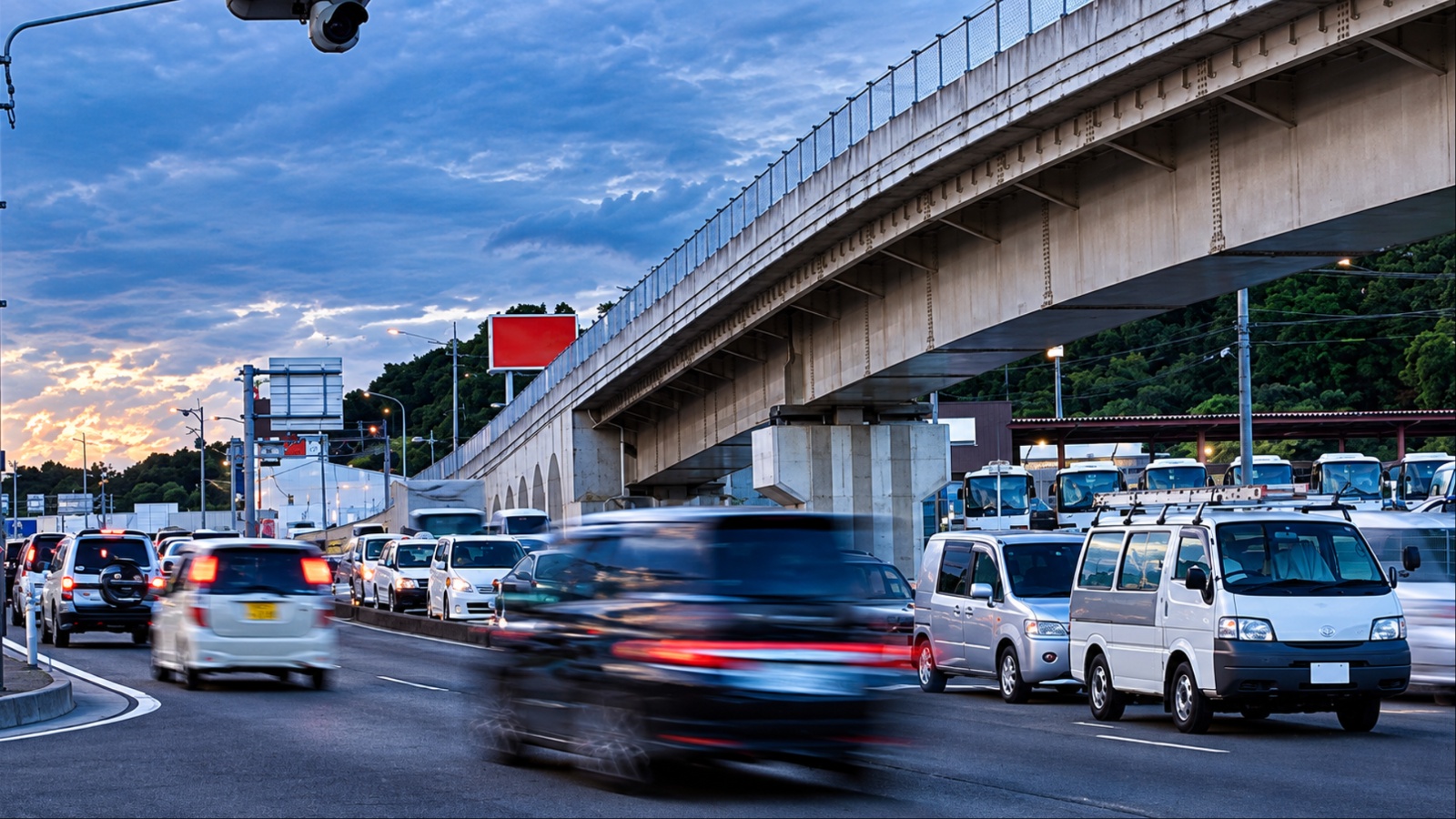
Six countries drive on the left, while six drive on the right. The choice of side reflects historical habits and decisions made long ago, influenced by factors such as horse riding, colonial administration, and railway construction. This global habit affects daily life and transportation in many parts of the world.
Neutral
The choice of left-hand or right-hand traffic is a historical phenomenon with no inherent safety or intelligence advantage. The legacy of colonialism and railway construction continues to shape road habits in many countries. As global travel and trade increase, understanding these differences becomes more important.
Positive
The persistence of left-hand traffic in many countries is a testament to the enduring influence of historical habits and cultural traditions. This legacy can also promote cultural exchange and understanding between nations. By acknowledging and respecting these differences, we can foster greater global cooperation.
Negative
The persistence of left-hand traffic can also create challenges for international travel and trade, particularly in regions with mixed traffic habits. Inadequate signage and infrastructure can lead to confusion and accidents. The lack of standardization can hinder economic development and global connectivity.
- Two-thirds of the world's population lives in countries that drive on the right.
- The United Kingdom is the best-known left-hand traffic country, with a history dating back to 1835.
- Japan's left-hand traffic habit was influenced by its railway system and British engineers.
Read the full report · DAX Street ↗