
Equatorial Guinea's National Sports Season Kicks Off
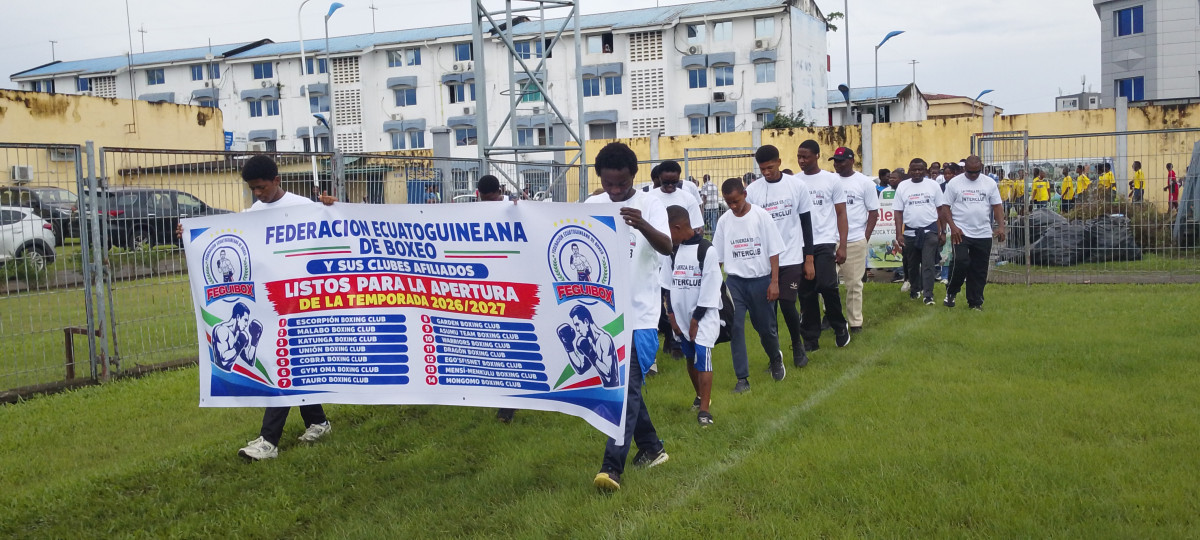
The national sports season in Equatorial Guinea has officially begun, with a nine-month duration from October 1, 2026, to June 30, 2027. The season aims to promote sports practice, develop national talent, and foster values such as effort, discipline, and respect. The season includes various competitions, including league matches and cup tournaments.
Neutral
The new season is expected to bring new challenges and opportunities for athletes, coaches, and teams. The government's support for sports development is a positive step towards promoting physical education and youth development. The season's success will depend on the effective implementation of the calendar and the commitment of all stakeholders.
Positive
The new season offers opportunities for athletes to develop their skills and compete at a national level. The government's investment in sports infrastructure and training programs will benefit the country's youth and promote a culture of sportsmanship. The season's focus on promoting values such as effort and respect is a positive step towards building a stronger community.
Negative
The season's success is threatened by the risk of injuries, conflicts, and other challenges that can arise during competitions. The government's priorities and funding for sports development may not be sufficient to meet the needs of all athletes and teams. The season's focus on winning may lead to an overemphasis on competition and neglect of other important aspects of sports development.
- The national sports season in Equatorial Guinea has officially begun.
- The season will last for nine months, from October 1, 2026, to June 30, 2027.
- The season includes various competitions, including league matches and cup tournaments.
- Página Oficial del Gobierno de la República de Guinea EcuatorialEl deporte nacional inicia oficialmente la temporada 2026-2027 con nuevas metas y retos
Read the full report · Página Oficial del Gobierno de la República de Guinea Ecuatorial ↗