
Kyrgyzstan Boosts Border Sanitation Control
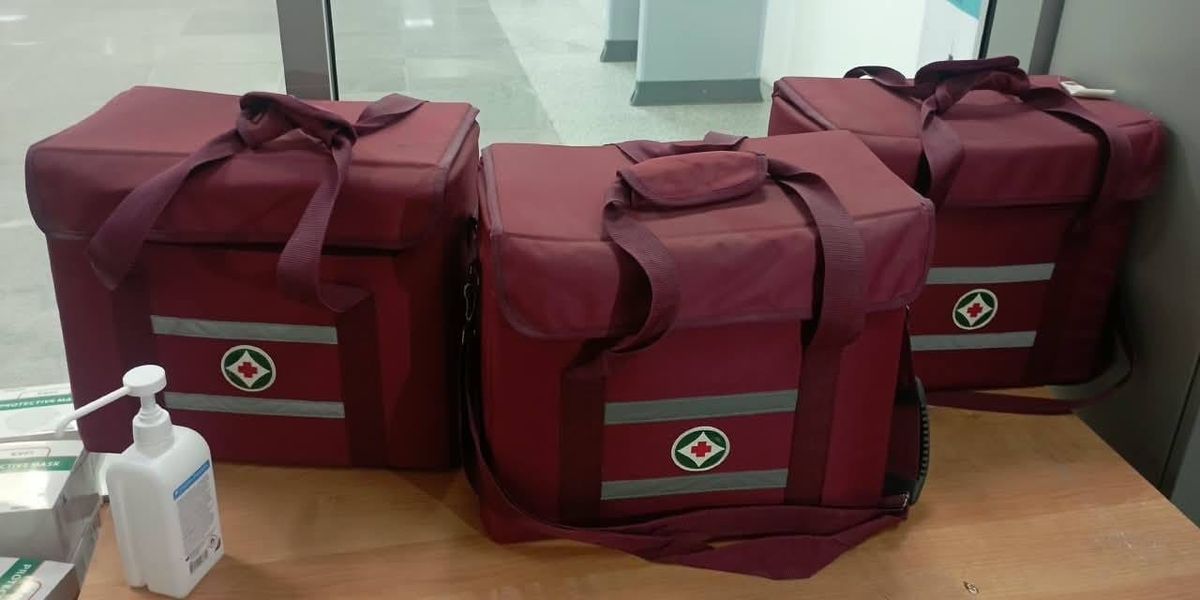
Kyrgyzstan has strengthened sanitary control measures at border checkpoints following a reported case of plague in Russia's Irkutsk region. The country's health ministry has increased surveillance and quarantine measures, with all sanitary and quarantine checkpoints operating on an enhanced schedule. The situation is being monitored by the country's sanitary and epidemiological service.
Neutral
The move aims to prevent the spread of the disease, which is caused by the bacterium Yersinia pestis. The Kyrgyz government has a system in place to monitor natural foci of highly infectious diseases. The World Health Organization has identified the bacterium as the cause of plague.
Positive
The enhanced control measures demonstrate Kyrgyzstan's proactive approach to public health. The country's system for monitoring natural foci of infectious diseases has been in place since 2026. This may help prevent the spread of the disease and protect the public.
Negative
The reported case of plague in Russia raises concerns about the potential spread of the disease to Kyrgyzstan. The country's residents and visitors may face increased scrutiny and restrictions at border checkpoints. The situation highlights the need for continued vigilance and cooperation in public health efforts.
- Kyrgyzstan has strengthened sanitary control measures at border checkpoints.
- The move is in response to a reported case of plague in Russia's Irkutsk region.
- The country's health ministry has increased surveillance and quarantine measures.
Read the full report · Economist.kg ↗