
Nicaragua Exits Central American Parliament
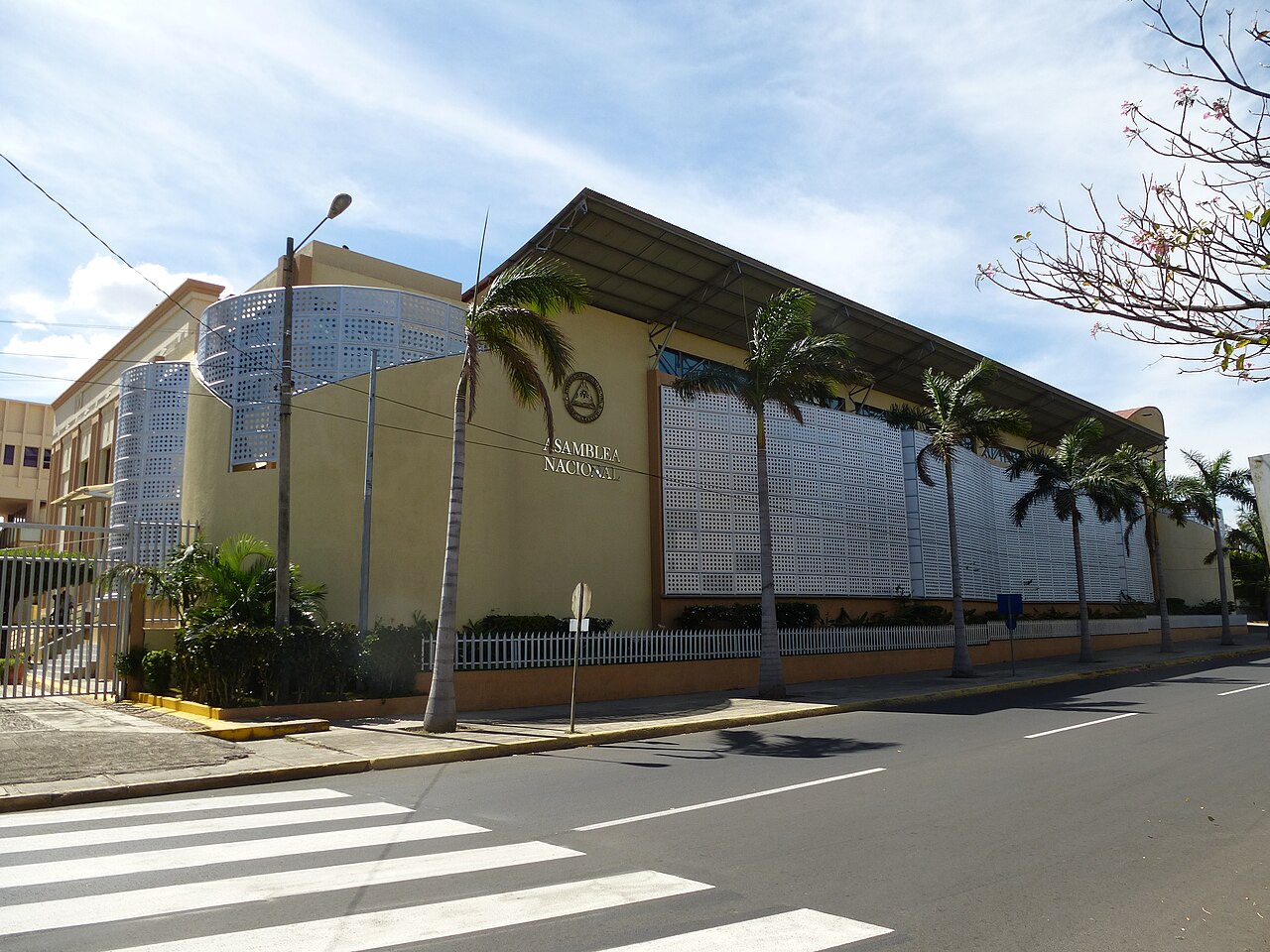
Nicaragua has announced its withdrawal from the Central American Parliament, a regional assembly known as Parlacen, following a call from the Organization of American States (OAS) for free elections. The decision was made by the government of Nicaragua, led by President Daniel Ortega and Vice President Rosario Murillo. The move is seen as a significant development in regional politics, with implications for the Central American Integration System (SICA).
Neutral
The withdrawal from Parlacen is a formal exercise of Nicaragua's sovereignty, according to the foreign ministry. The treaty creating the parliament was signed in 1987. The decision takes immediate effect, with the government formally notifying Guatemala's foreign ministry and Parlacen's governing board.
Positive
The move could potentially create opportunities for regional cooperation and dialogue, as Nicaragua seeks to assert its independence. The decision may also pave the way for new diplomatic efforts and initiatives in the region. The Central American Integration System (SICA) may need to adapt to the change.
Negative
The withdrawal from Parlacen may raise concerns about regional stability and cooperation. The decision could also lead to a loss of influence for Nicaragua in regional politics. The implications for the Organization of American States (OAS) and its efforts to promote democracy in the region remain unclear.
- Nicaragua has withdrawn from the Central American Parliament (Parlacen)
- The decision was made in response to a call from the Organization of American States (OAS) for free elections
- The treaty creating Parlacen was signed in 1987
- The Rio TimesNicaragua Leaves the Central American Parliament
Read the full report · The Rio Times ↗