

 New Zealand
Saturn Shines Bright
Saturn is at its closest approach to Earth this year, and its rings are visible. The planet can be spotted in the sky, along with debris from Halley's Comet.
 Global Newsflix 1 min read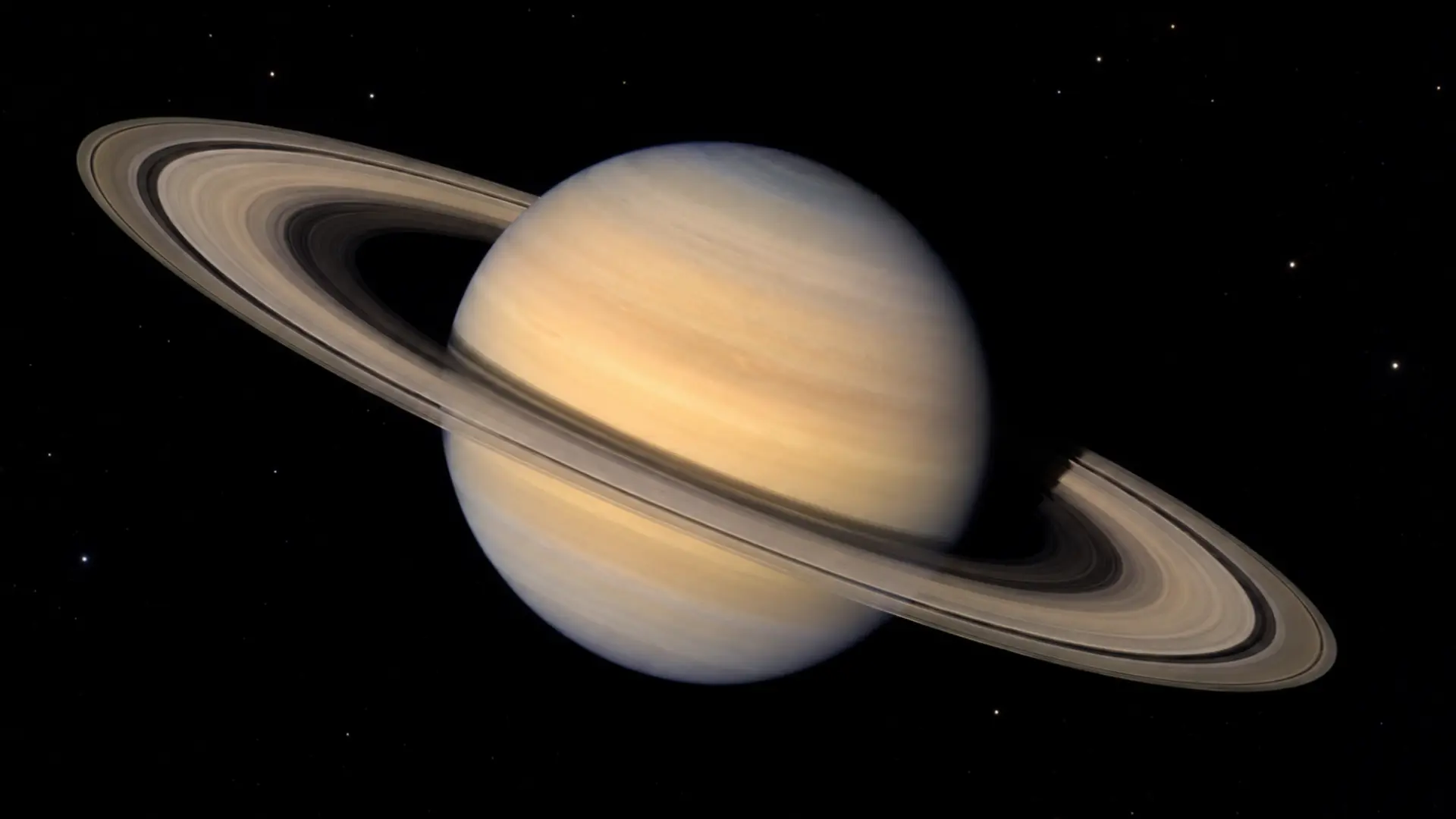
Saturn is making its closest approach to Earth this year. The planet's rings are visible in the night sky.
Debris from Halley's Comet can also be seen streaking across the sky.
The best time to spot Saturn is at opposition, which occurs on the night of October 3-4.
Key facts
- Saturn is at its closest approach to Earth this year
- The planet's rings are visible in the night sky
- Debris from Halley's Comet can be seen streaking across the sky
- The best viewing time is on the night of October 3-4
Three perspectives
Neutral
Astronomers can view Saturn and its rings, along with Halley's Comet debris. The event is a rare opportunity for stargazers. The next closest approach will occur at a later date.
Positive
The sighting of Saturn and its rings is a significant event for astronomers and stargazers. The visibility of Halley's Comet debris adds to the excitement. This event can spark interest in astronomy.
Negative
The viewing window for Saturn is limited, and the planet's closest approach may not be visible in all parts of the world. The debris from Halley's Comet may not be easily visible to the naked eye.
Your week in news, every Wednesday
The biggest stories of the week for your edition, in your inbox every Wednesday morning, your time. Free, and you can unsubscribe at any time.