
Eritrea's Strategic Buffer at Risk
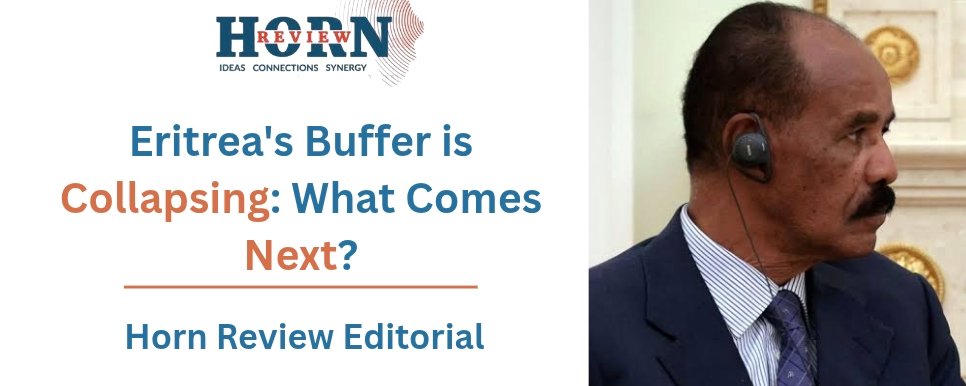
The Ethiopian National Defense Force's capture of Mekelle may mark the collapse of Eritrea's strategic buffer, a two-year arrangement that allowed Eritrea to maintain distance from a direct confrontation with Ethiopia. The buffer's collapse could fundamentally change the security equation between Addis Ababa and Asmara, bringing the two militaries into the same strategic space. This development has significant implications for the conflict in northern Ethiopia.
Neutral
The capture of Mekelle by the Ethiopian National Defense Force has altered the geography of the conflict, making it more challenging for both sides to operate. Eritrea's options are limited, and it must decide whether to allow the Ethiopian advance or intervene more heavily. The outcome of this decision will have significant consequences for the region.
Positive
The capture of Mekelle by the Ethiopian National Defense Force presents an opportunity for Ethiopia to regain control over its northern territory while keeping its forces on the Ethiopian side of the international border. This could be a strategically and politically important development for Addis Ababa. The ENDF's advance also creates a chance for the conflict to be contained within Ethiopian territory.
Negative
The collapse of Eritrea's strategic buffer increases the risk of a direct confrontation between Eritrea and Ethiopia, which could have devastating consequences for the region. The situation also raises concerns about the potential for Eritrean forces to intervene more heavily, leading to further escalation. The outcome of this development is uncertain and poses significant challenges for both sides.
- The Ethiopian National Defense Force has captured Mekelle, potentially marking the collapse of Eritrea's strategic buffer.
- The buffer's collapse could fundamentally change the security equation between Addis Ababa and Asmara.
- Eritrea's options are limited, and it must decide whether to allow the Ethiopian advance or intervene more heavily.
Read the full report · hornreview ↗