
Cameroon's Role in Central Africa Explained
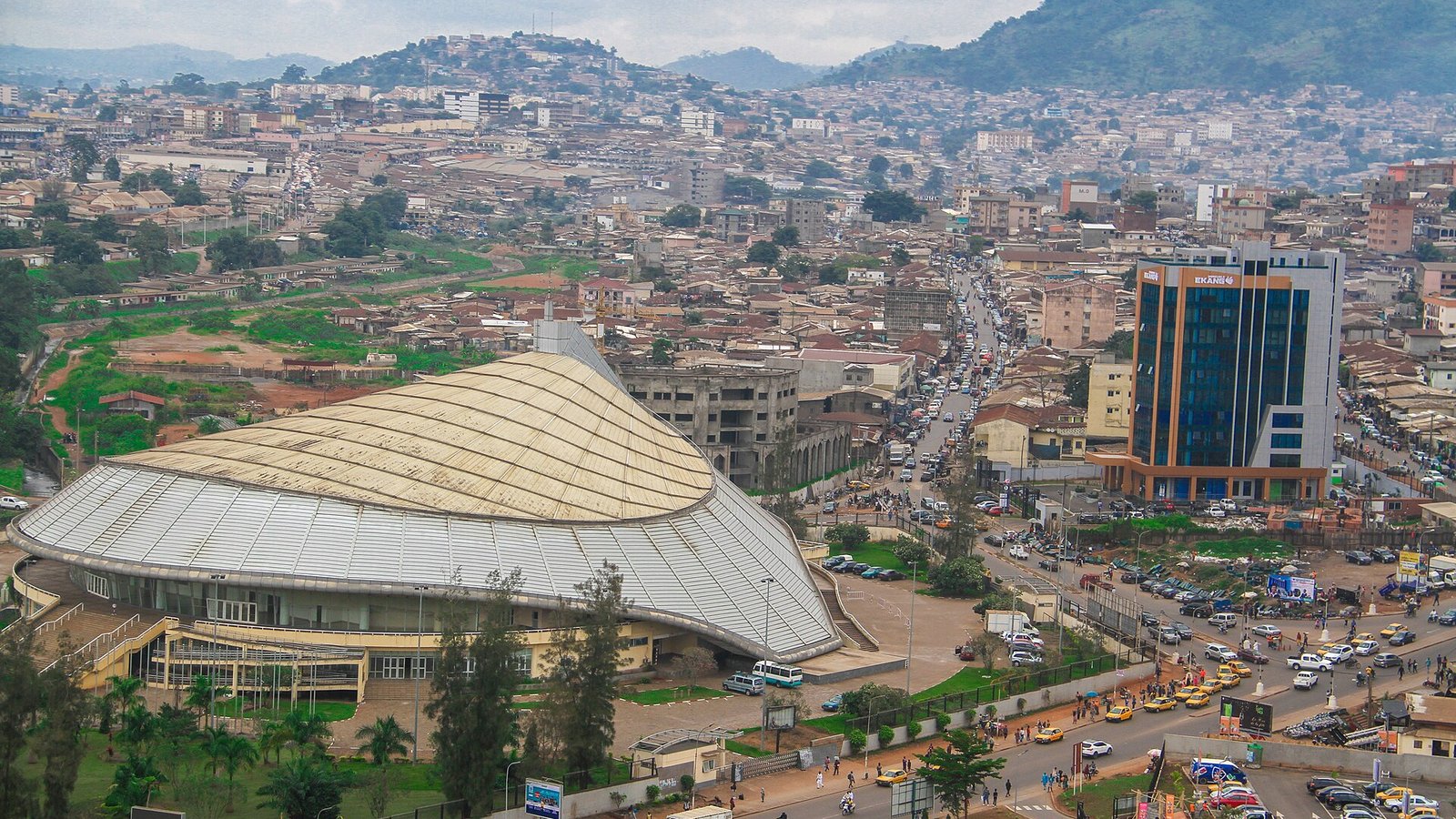
Cameroon's six land neighbours, shared rivers, and regional institutions shape its economy, security, and daily life. The country's unique position between the Gulf of Guinea, Lake Chad, and the Congo Basin gives it structural advantages, but also exposes it to border insecurity and congestion. Cameroon accounts for approximately 40% of CEMAC regional GDP and 55% of the bloc's population.
Neutral
Cameroon's relationships with its neighbours define its role as a major regional transport gateway. The country's economy is diversified, and it has Atlantic ports. However, its position also makes it vulnerable to regional challenges.
Positive
Cameroon's position offers opportunities for trade and economic growth within the CEMAC region. The country's unique combination of Atlantic ports and a relatively diversified economy gives it structural advantages over its neighbours. This could lead to increased economic cooperation and development.
Negative
Cameroon's exposure to border insecurity and congestion poses risks to its economy and security. The country's reliance on its neighbours for trade and security also creates concerns about its vulnerability to regional challenges. The impact of these challenges on Cameroon's population remains to be seen.
- Cameroon has six land neighbours: Nigeria, Chad, the Central African Republic, Gabon, Equatorial Guinea, and the Republic of the Congo.
- The country accounts for approximately 40% of CEMAC regional GDP and 55% of the bloc's population.
- Cameroon's unique position between the Gulf of Guinea, Lake Chad, and the Congo Basin gives it structural advantages.
Read the full report · The Rio Times ↗