
Cameroon's Role in Central Africa Explained
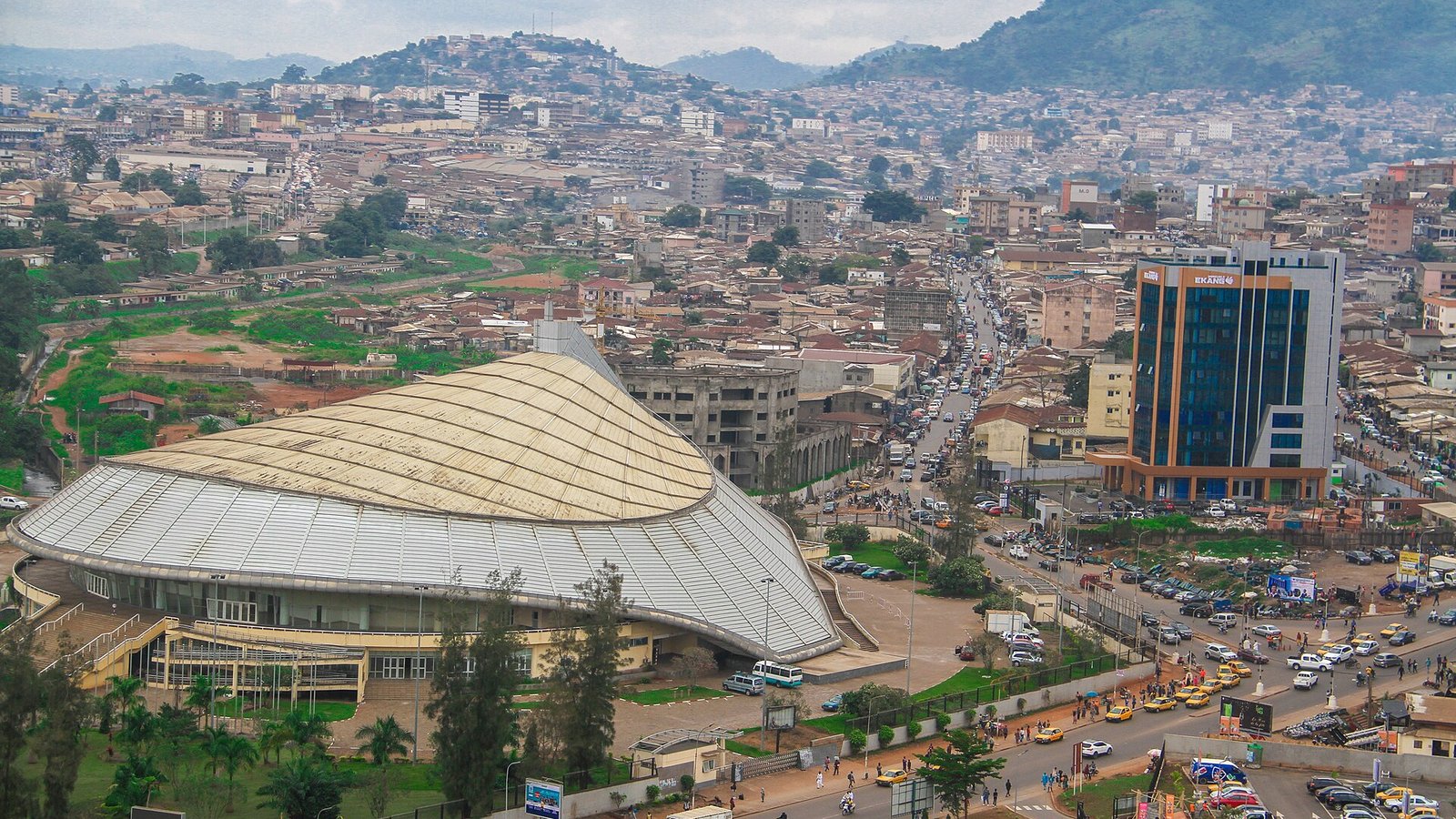
Cameroon's six land neighbours and shared rivers shape its economy, security, and daily life. The country's unique position between the Gulf of Guinea, Lake Chad, and the Congo Basin makes it a major regional transport gateway. Understanding these relationships is crucial to understanding Cameroon's significance beyond its borders.
Neutral
Cameroon's neighbours, including Nigeria, Chad, and the Central African Republic, play a significant role in defining its economy and security. The country's position within the CEMAC monetary and economic bloc also contributes to its regional influence. As Cameroon continues to grow, its relationships with its neighbours will remain crucial.
Positive
Cameroon's position as a major regional transport gateway presents opportunities for economic growth and development. The country's unique combination of Atlantic ports and a relatively diversified economy gives it structural advantages over its neighbours. This could lead to increased trade and cooperation within the region.
Negative
Cameroon's border insecurity and congestion pose risks to its economy and security. The country's exposure to regional conflicts and instability also raises concerns. Furthermore, the impact of non-tariff barriers on trade within the region remains an open question.
- Cameroon has six land neighbours: Nigeria, Chad, the Central African Republic, Gabon, Equatorial Guinea, and the Republic of the Congo.
- The country accounts for approximately 40% of CEMAC regional GDP and 60% of foreign assets.
- Cameroon's unique position between three major ecological and political zones gives it structural advantages over its neighbours.
Read the full report · The Rio Times ↗