


Regional Tensions Escalate in Middle East Conflict
 Global Newsflix 1 min read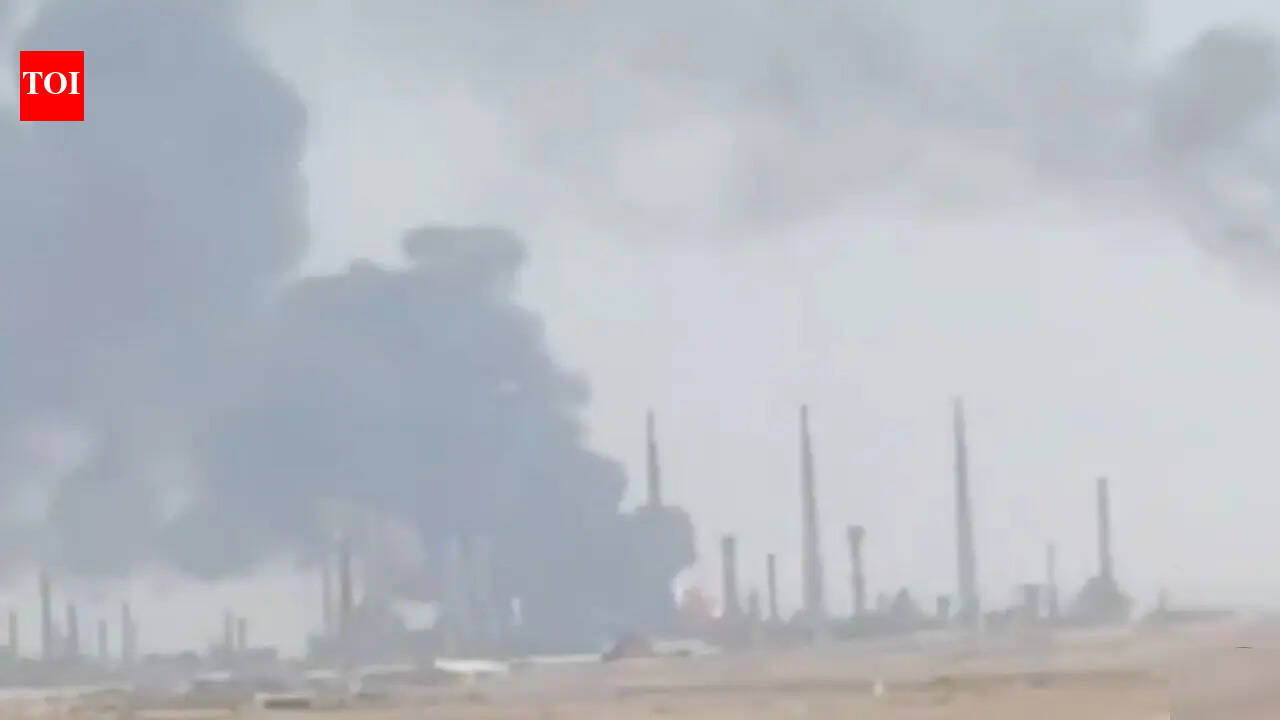
The Iran war is widening into a broader regional security crisis, with tensions extending from the battlefield to vital trade and transport routes across the Middle East. Saudi Arabia's coalition has intercepted Houthi ballistic missiles targeting the southern Saudi city of Khamis Mushait, while a tanker was hit by an unknown projectile in the Strait of Hormuz. The incident has added a new layer of tensions, with questions over possible Iranian links bringing aviation security into the wider regional confrontation.
Key facts
- Saudi Arabia's coalition intercepted Houthi ballistic missiles targeting the southern Saudi city of Khamis Mushait.
- A tanker was hit by an unknown projectile in the Strait of Hormuz, triggering a fire and temporary power loss.
- The US is keeping diplomatic and military pressure on Iran, while Iran's Supreme Leader is reportedly in good health.
Three perspectives
Neutral
The conflict is affecting shipping, aviation, energy routes, and regional security far beyond the immediate battlefield. The US is keeping diplomatic and military pressure on Iran, while Iran's Supreme Leader is reportedly in good health. The situation remains complex, with various parties involved and multiple fronts.
Positive
The US and Iran are engaging in diplomatic efforts, with the US offering a sanctions exemption for flights to Najaf. This development may lead to improved relations between the two countries. The incident also highlights the importance of regional security and the need for cooperation to prevent further escalation.
Negative
The conflict has led to increased tensions and risks of further escalation, with potential disruptions to energy flows and trade routes. The incident has also raised concerns over aviation security and the possibility of Iranian links. The situation remains volatile, with many open questions and uncertainties.