
Left-Hand Traffic Habits Persist Across the Globe
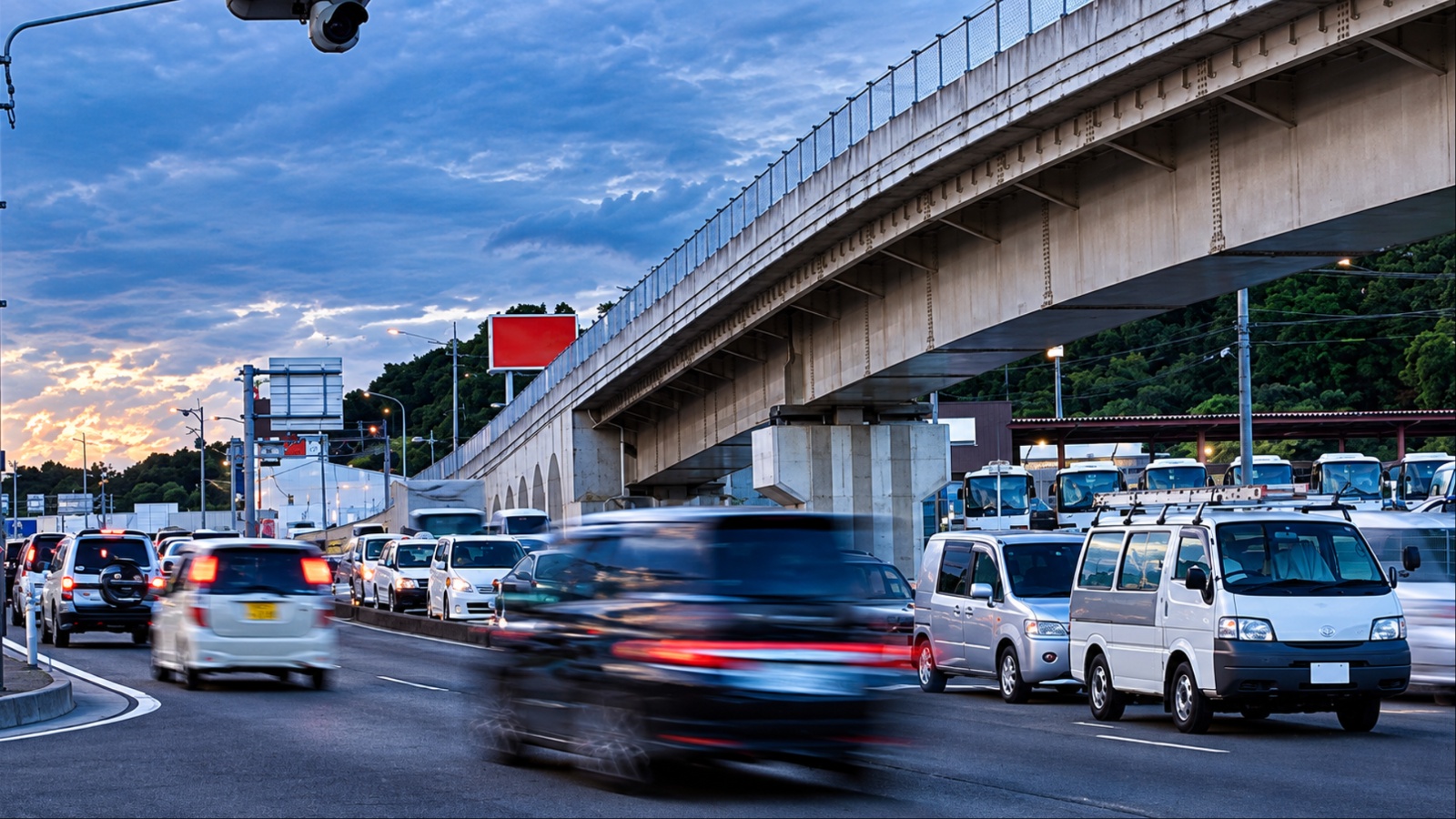
A significant portion of the world's population lives in countries where traffic keeps to the left or right side of the road. The choice of side is largely a result of historical habits and decisions made by horse riders, wagon drivers, and colonial administrators. This guide explores six countries that drive on the left and six that drive on the right, highlighting the complex history behind each.
Neutral
The choice of left-hand or right-hand traffic is a result of historical habits and decisions, with neither side being inherently safer or smarter. The legacy of colonialism has played a significant role in shaping the roads we use today. As the world becomes increasingly interconnected, it will be interesting to see how countries adapt to different traffic habits.
Positive
The persistence of left-hand traffic habits in many countries highlights the importance of understanding and respecting cultural heritage. The legacy of colonialism also presents opportunities for countries to learn from each other and adapt to changing circumstances. By exploring the history behind traffic habits, we can gain a deeper appreciation for the complexities of globalization.
Negative
The persistence of left-hand traffic habits can also present challenges for countries with different traffic habits, particularly in areas with high levels of international trade and travel. The legacy of colonialism also raises concerns about the impact of historical decisions on modern-day infrastructure and transportation systems. As countries adapt to changing circumstances, it is essential to address these concerns and find solutions that benefit all parties involved.
- Two-thirds of the world's population lives in countries that drive on the right.
- The choice of left-hand or right-hand traffic is largely a result of historical habits and decisions.
- The legacy of colonialism has played a significant role in shaping the roads we use today.
Read the full report · DAX Street ↗