
Jaguars Still Roam Key Wildlife Corridor
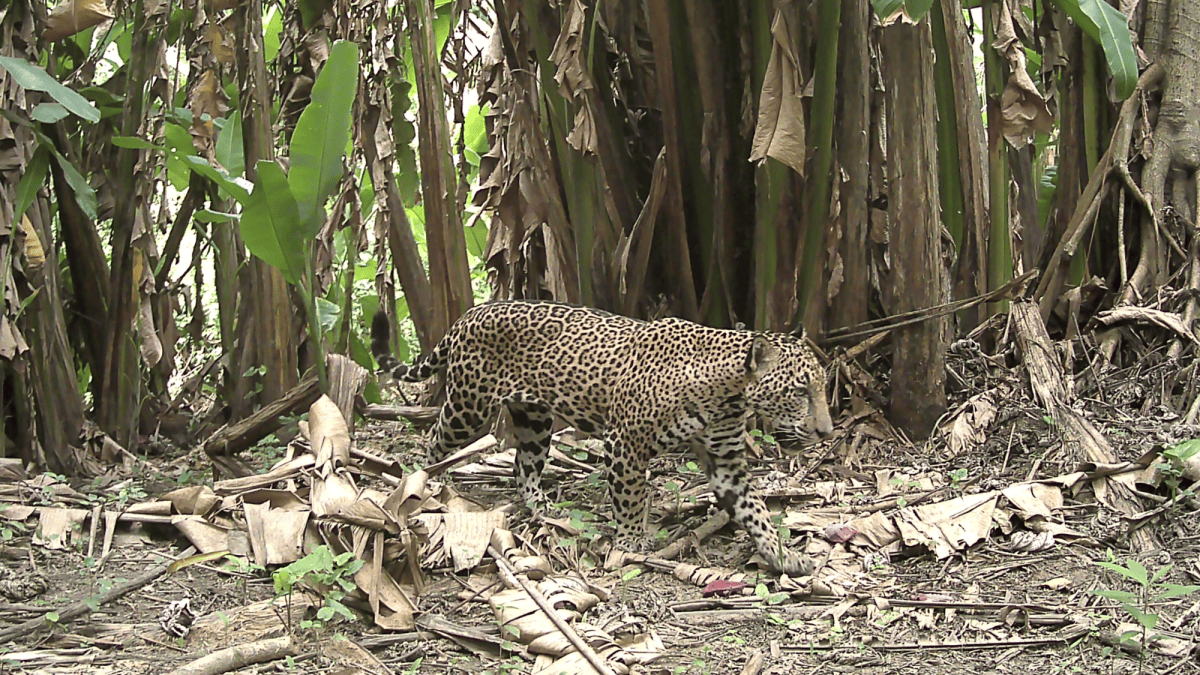
Camera trap photographs in Guatemala have confirmed that jaguars are still using a vital wildlife corridor connecting the country to Honduras. The corridor is crucial for jaguar populations, allowing them to move freely and maintain genetic diversity. Conservationists see this as a hopeful sign, despite the challenges faced by jaguars in the region.
Neutral
The camera trap images were a rare occurrence, happening only once every decade. The Bi-National Corridor serves as a connection between core jaguar populations in Mexico, Belize, and Guatemala, and those in central and eastern Honduras. The corridor also supports other endangered species.
Positive
The recent camera trap snapshot gives hope to conservation efforts, showing that jaguars are still present in the region. Protecting the corridor can help ensure local people benefit from natural resources and jaguars and other wildlife thrive. The conservation strategy in Guatemala is now more pressing than ever.
Negative
Jaguar populations in Honduras and Guatemala are classified as Endangered, and the species as a whole is Near Threatened. The corridor faces human encroachment, threatening the jaguars' habitat. The long-term survival of jaguars and other wildlife in the region remains uncertain.
- Camera trap photographs captured a male jaguar in Guatemala, indicating jaguars are using the Bi-National Corridor.
- The corridor connects jaguar populations in Mexico, Belize, and Guatemala to those in central and eastern Honduras.
- The corridor supports over 200,000 people and hosts many endangered species.
Read the full report · Popular Science ↗