

Zimbabwe pays $508m to white farmers
The payment is part of a $3.5 billion deal to compensate former commercial farmers for land seized during the country's land-reform programme. The government aims to resolve a long-running dispute and improve its standing with international creditors and investors.
 Global Newsflix 2 min read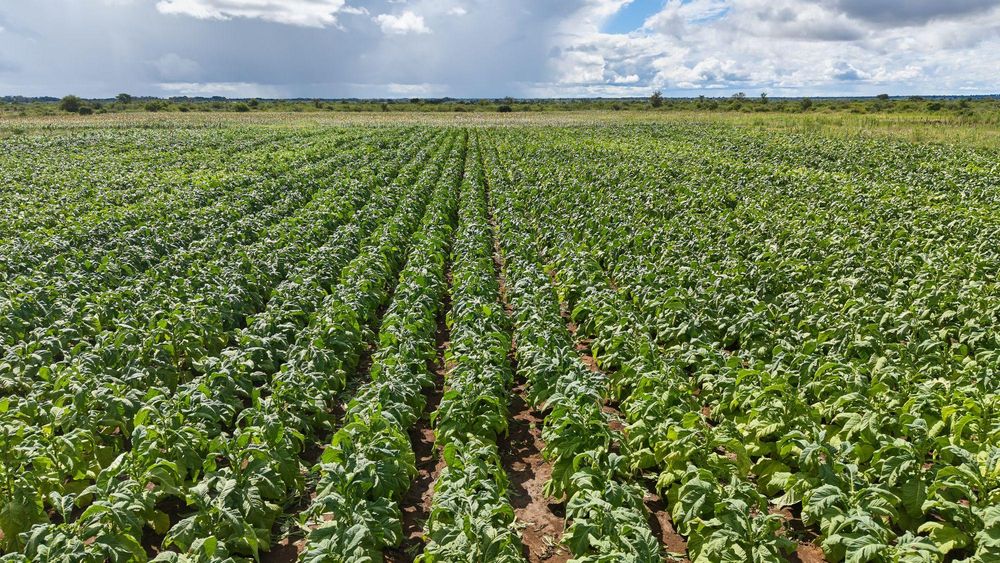
Zimbabwe has paid $508 million in compensation to former white commercial farmers whose land was seized during the country's land-reform programme. The payment includes $12.6 million in cash and the remainder in dollar-denominated Treasury bonds.
Deputy Finance Minister Kudakwashe Mnangagwa said farmers had accepted the bonds as part of the revised compensation arrangements. The government changed the structure of the deal to include dollar-denominated bonds after initially struggling to meet payment commitments.
The dispute dates back to 2000, when the government accelerated its land-reform programme, seizing thousands of predominantly white-owned commercial farms and redistributing them to black Zimbabweans. The programme was accompanied by a sharp decline in agricultural production.
The International Monetary Fund has identified land-tenure reform and compensation for former farmers as one of the areas linked to Zimbabwe's efforts to clear arrears and normalise relations with international creditors. The country's economic dependence on agriculture has changed considerably since the land seizures.
Agriculture was once one of Zimbabwe's principal sources of foreign currency, with tobacco, cotton, sugar, and horticultural products contributing significantly to exports. The government has sought to resolve the long-running dispute and rebuild relations with international investors.
In 2020, Zimbabwe agreed to compensate about 4,000 white farmers for improvements and investments made on farms seized during the land reform programme. The compensation package was initially valued at $3.5 billion to be paid over 10 years.
The government has also begun resolving claims involving foreign-owned properties seized during the land reform programme, with recent compensation deals involving $146 million and the return of several seized farms.
Key facts
- Zimbabwe has paid $508 million in compensation to former white commercial farmers.
- The payment is part of a $3.5 billion deal to compensate former commercial farmers.
- The government changed the structure of the deal to include dollar-denominated bonds.
- The dispute dates back to 2000, when the government accelerated its land-reform programme.
Three perspectives
Neutral
The payment marks progress in Zimbabwe's efforts to resolve the long-running dispute and rebuild relations with international investors. The government's ability to meet its payment commitments will be closely watched. The country's economic dependence on agriculture has changed considerably since the land seizures.
Positive
The compensation payments demonstrate the government's commitment to resolving the dispute and improving its standing with international creditors and investors. The move is expected to boost investor confidence and support the country's economic recovery.
Negative
The payment is a fraction of the total amount owed to former commercial farmers, and some farmers have rejected the bond arrangement. The government's struggle to meet its payment commitments has raised concerns about its ability to honour its obligations.
Your week in news, every Wednesday
The biggest stories of the week for your edition, in your inbox every Wednesday morning, your time. Free, and you can unsubscribe at any time.