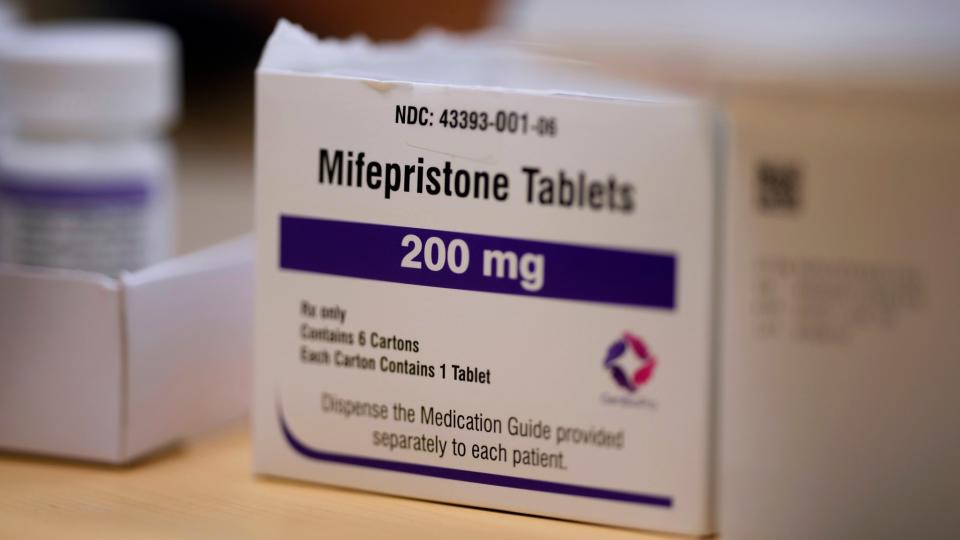
Global Health: Mifepristone Approved as Emergency Contraceptive
Health
Image: Gabon Media Time
Summary

The World Health Organization (WHO) has expanded its recommendations on contraceptive methods, including the approval of mifepristone as an emergency contraceptive. This move aims to provide safer and more suitable solutions for individuals. The new directive targets the 164 million women worldwide who want to avoid or delay pregnancy but lack access to contraception.

Three perspectives

Neutral

The WHO's decision is based on scientific data, which shows that mifepristone is as safe and effective as other emergency contraceptive options. The organization is also working on developing male contraceptives, with 75% of men surveyed expressing interest in using them. The WHO's recommendations will be closely watched as countries implement the new guidelines.

Positive

The approval of mifepristone as an emergency contraceptive offers a new solution for women who need it, particularly in cases of unprotected sex. The WHO's efforts to develop male contraceptives also hold promise for increasing access to reproductive health options. This move could lead to improved reproductive health outcomes for individuals worldwide.

Negative

The WHO's recommendation to discontinue the use of quinestrol-containing pills due to severe side effects raises concerns about the safety of certain contraceptive methods. The lack of access to emergency contraceptives in some regions may still pose a challenge. The effectiveness of mifepristone in preventing pregnancy will also be closely monitored.

Key points
  • The WHO has approved mifepristone as an emergency contraceptive.
  • The new directive aims to provide safer and more suitable solutions for individuals.
  • The WHO is working on developing male contraceptives.
Coverage from 1 outlets

Read the full report · Gabon Media Time ↗

This summary and the three perspectives were written with AI from the reporting listed below. Check the original sources for full details.

Country

Global
Africa
AlgeriaAngolaBeninBotswanaBurkina FasoBurundiCabo VerdeCameroonCentral African RepublicChadComorosCongoCôte d'IvoireDjiboutiDR CongoEgyptEquatorial GuineaEritreaEswatiniEthiopiaGabonGambiaGhanaGuineaGuinea-BissauKenyaLesothoLiberiaLibyaMadagascarMalawiMaliMauritaniaMauritiusMoroccoMozambiqueNamibiaNigerNigeriaRwandaSão Tomé and PríncipeSenegalSeychellesSierra LeoneSomaliaSouth AfricaSouth SudanSudanTanzaniaTogoTunisiaUgandaZambiaZimbabwe
Americas
Antigua and BarbudaArgentinaBahamasBarbadosBelizeBoliviaBrazilCanadaChileColombiaCosta RicaCubaDominicaDominican RepublicEcuadorEl SalvadorGrenadaGuatemalaGuyanaHaitiHondurasJamaicaMexicoNicaraguaPanamaParaguayPeruPuerto RicoSaint Kitts and NevisSaint LuciaSaint Vincent and the GrenadinesSurinameTrinidad and TobagoUnited StatesUruguayVenezuela
Asia
AfghanistanArmeniaAzerbaijanBahrainBangladeshBhutanBruneiCambodiaChinaGeorgiaHong KongIndiaIndonesiaIranIraqIsraelJapanJordanKazakhstanKuwaitKyrgyzstanLaosLebanonMacauMalaysiaMaldivesMongoliaMyanmarNepalNorth KoreaOmanPakistanPalestinePhilippinesQatarSaudi ArabiaSingaporeSouth KoreaSri LankaSyriaTaiwanTajikistanThailandTimor-LesteTurkmenistanUnited Arab EmiratesUzbekistanVietnamYemen
Europe
AlbaniaAndorraAustriaBelarusBelgiumBosnia and HerzegovinaBulgariaCroatiaCyprusCzechiaDenmarkEstoniaFinlandFranceGermanyGreeceHungaryIcelandIrelandItalyLatviaLiechtensteinLithuaniaLuxembourgMaltaMoldovaMonacoMontenegroNetherlandsNorth MacedoniaNorwayPolandPortugalRomaniaRussiaSan MarinoSerbiaSlovakiaSloveniaSpainSwedenSwitzerlandTürkiyeUkraineUnited KingdomVatican City
Oceania
AustraliaFijiKiribatiMarshall IslandsMicronesiaNauruNew ZealandPalauPapua New GuineaSamoaSolomon IslandsTongaTuvaluVanuatu

Choose language