

Nu'utele Island shows ecological recovery after invasive species removal
Native seedlings and bird breeding activity have increased on Nu'utele Island following the removal of rats and feral pigs.
 Science Desk 2 min read
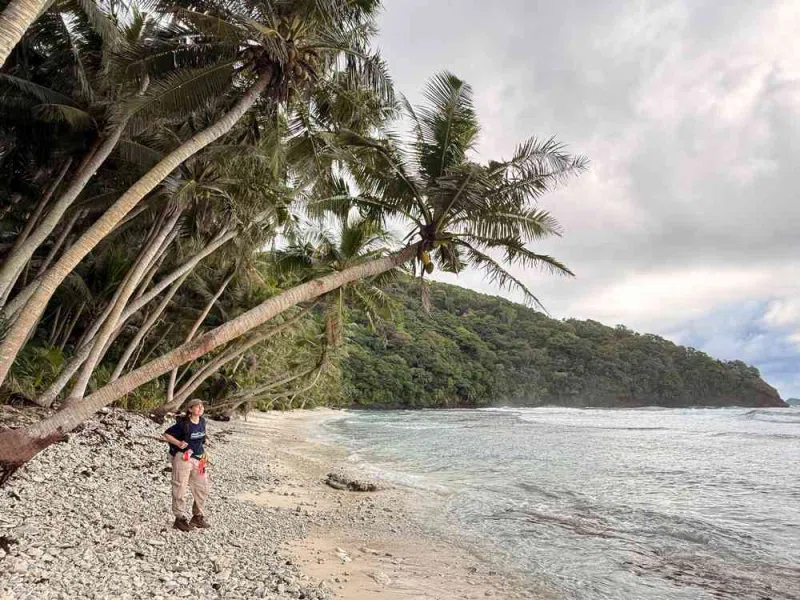
Nu'utele Island is showing signs of ecological recovery one year after efforts to remove invasive species. Native seedlings are carpeting the forest floor in many areas, and some seedlings have reached knee-high growth where regeneration was previously suppressed.
The restoration was a partnership between local landowners, community members from Aleipata, Island Conservation, the Secretariat of the Pacific Regional Environment Program (SPREP), PRISMSS, and the Ministry of Natural Resources and Environment (MNRE). Between March 2025 and May 2026, field teams conducted 12 expeditions and spent more than 130 days in the field to implement and validate restoration efforts.
Invasive rats and feral pigs had caused ecological degradation on the island by turning up soil and preventing native vegetation from growing. To remove the rats, teams used bait and traps, while pigs were hunted. Former New Zealand national rugby star Glen Osborne joined expert hunting teams to locate the last remaining feral pigs during the final phase of the operation.
Native birds are benefiting from safer breeding conditions, with researchers recording a nest of the endemic Samoan starling and breeding activity from the endemic flycatcher and whistler. Researchers also found several active nests containing eggs in bird's-nest ferns one month after the invasive species removal.
The recovery of the forests provides a foundation for the planned translocation of the threatened Mao, a native Samoan forest bird. Establishing a new Mao population is a major restoration target for Island Conservation for 2032.
Recovery is also visible at the island-ocean boundary, where conservationists found a species of land crab not previously recorded on Nu'utele. People are now able to grow and harvest giant taro plants where crops would have failed previously.
Key facts
- Field teams spent more than 130 days in the field across 12 expeditions between March 2025 and May 2026.
- The removal of rats and pigs aims to support the translocation of the threatened Mao bird by 2032.
- Nu'utele Island is a Key Biodiversity Area for Samoa.
Three perspectives
Neutral
The restoration of Nu'utele Island involved the removal of invasive rats and pigs through trapping and hunting.
Positive
Native seedlings are carpeting the forest floor and people can now harvest giant taro plants where crops previously failed.
Negative
Invasive rats and feral pigs had previously caused ecological degradation by preventing native vegetation from growing.
Your week in news, every Wednesday
The biggest stories of the week for your edition, in your inbox every Wednesday morning, your time. Free, and you can unsubscribe at any time.