Space
Astronomers track a giant star swallowing a companion and erupting in Andromeda
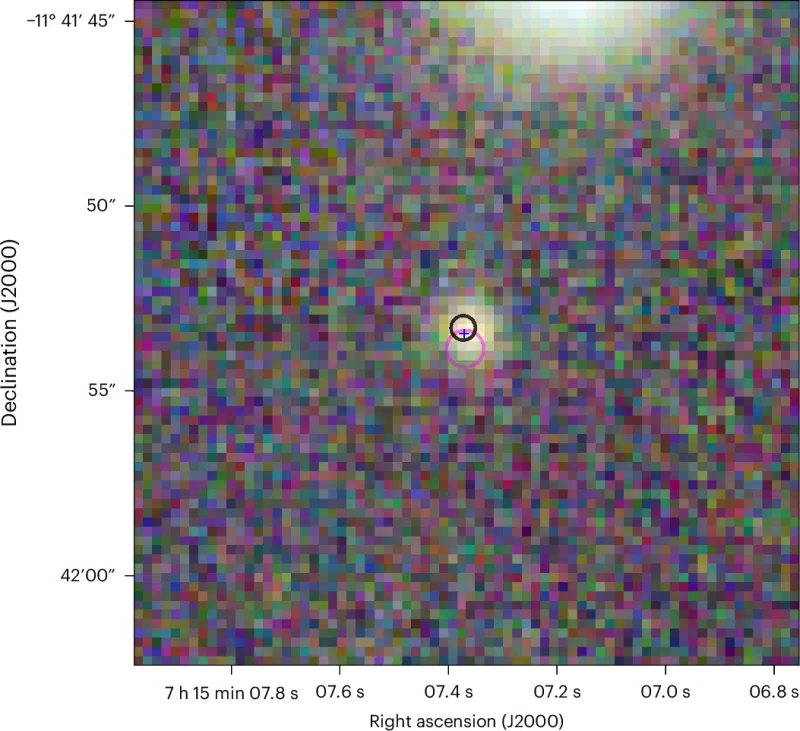
A Nature study led by Viraj Karambelkar of Columbia University followed the merger, which ended in an eruption in late 2025.
A Nature study led by Viraj Karambelkar of Columbia University followed the merger, which ended in an eruption in late 2025.
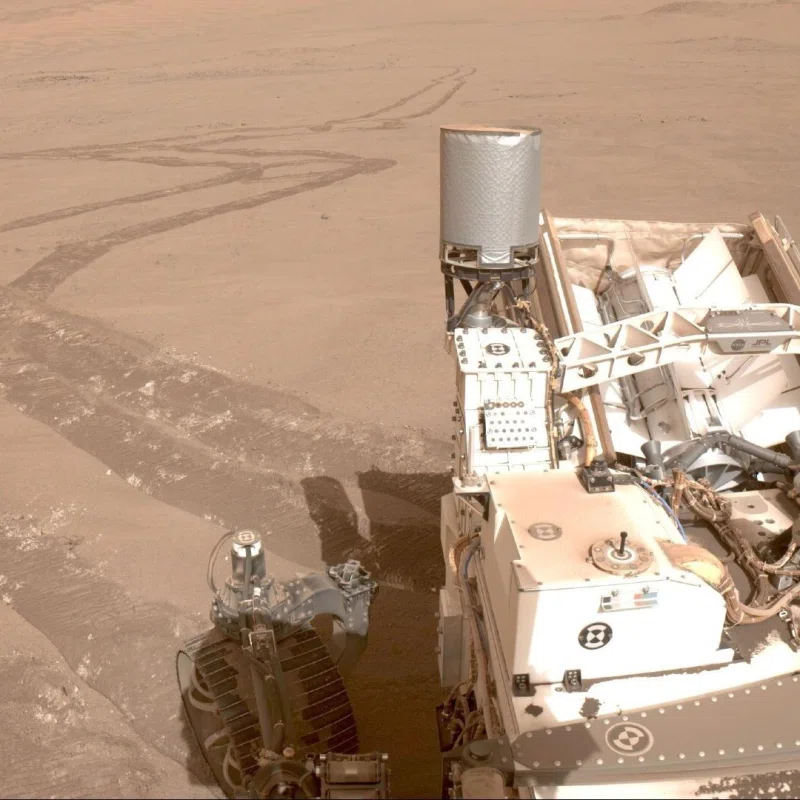
The rover's primary radio stopped sending heartbeat signals on Oct. 30, while Odyssey has a stopped reaction wheel.
Physicists at UBC and the University of Sheffield say quantum chromodynamics could account for dark energy without new particles.
The unpiloted Dragon is due to splash down off California on Saturday, Nov. 21, after a weather stand-down earlier in the week.
The European–Japanese mission is due to fire its thrusters and enter orbit around the planet closest to the sun.
NASA's Voyager 1 is now one light-day, about 16.1 billion miles, from Earth, and its signal took 24 hours to arrive.
The method found the pulsar PSR J1622−7204 using about 10 hours of computing on a standard processor.
Researchers at Oregon State University say potatoes can complete their life cycle in simulated lunar regolith when supplemented with vermicompost.
Researchers say the rare event, observed in a binary system 2.5 million light-years away, is the first recorded case of a dying star merging with its companion.
The Welopōʻai system contains two white dwarfs and a red dwarf, a configuration that challenges current models of stellar evolution.
NASA's James Webb Space Telescope provided evidence of a binary star system merger nicknamed Bao.
The reusable spaceplane 'Tenacity' has received clearance to return from orbit and land at Vandenberg Space Force Base ahead of its spring 2027 debut mission.
An image from the International Space Station shows thunderstorms with overshooting tops near Singapore and clusters of lights from fishing vessels.
A Caltech-led study of 257 mergers points to a possible silent stellar death behind black holes near 10 solar masses.
 United States
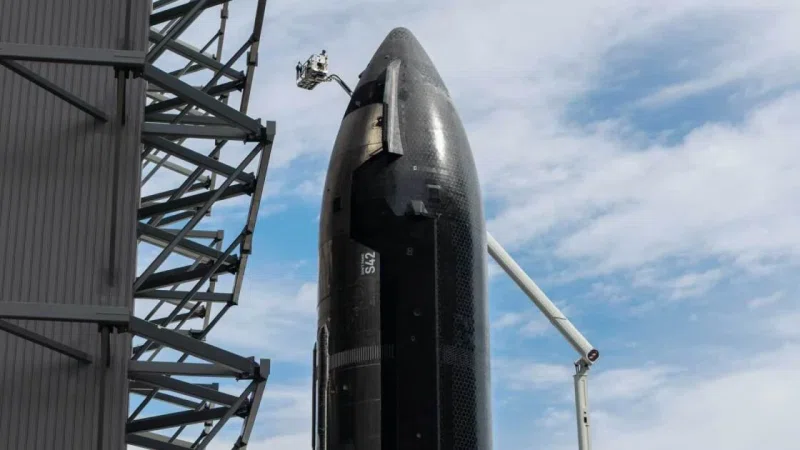
The spacecraft flew itself back to its launch tower after a 22-hour mission.
The NASA spacecraft, launched in 1977, has traveled 26 billion kilometers into interstellar space.
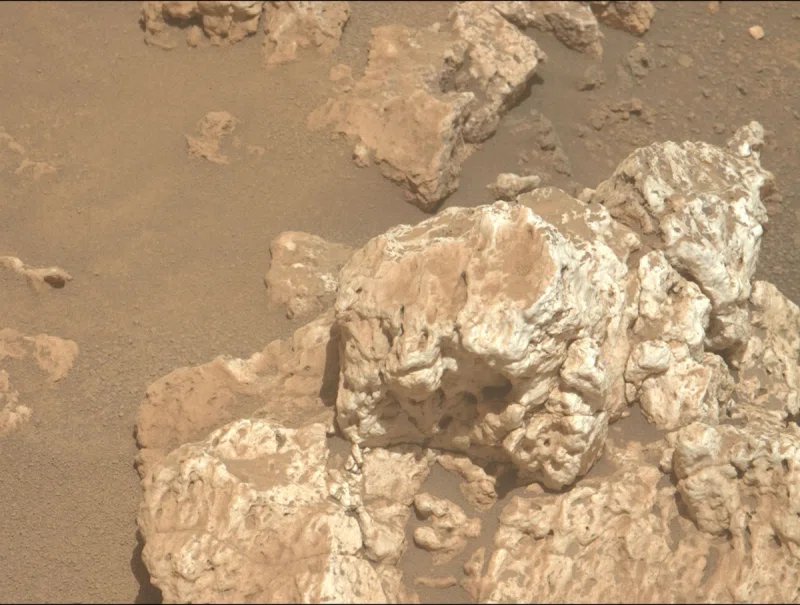
The NASA Perseverance rover has identified hydrated silica in a cluster of bright, light-toned rocks located in the Idubi area.
Twelve microscopic grains collected in Earth's stratosphere provide evidence of water enriched in oxygen-17 and oxygen-18 beyond Neptune.
The annual display is expected to be most active during the night of 17–18 November, with observers potentially seeing 10–15 meteors per hour.
Harvard astrophysicist Avi Loeb believes the near-Earth object 1998 KY26 might be the lost Soviet Phobos 1 spacecraft.
The quasar pair Nāpōwawāʻenakaulua was found 900 million years after the Big Bang, challenging existing models of cosmic development.
Astronomers using NASA's TESS telescope observed the planet TOI-2535 b disappear as a nearby massive planet pulls it out of alignment.
A white dwarf star spinning every eight minutes has been identified as the source of radio signals from a system 5,000 light-years away.
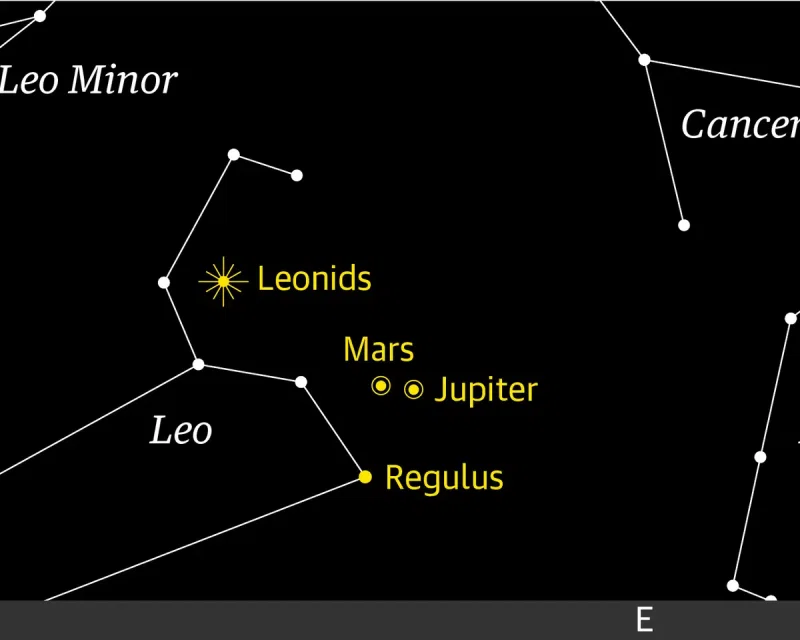
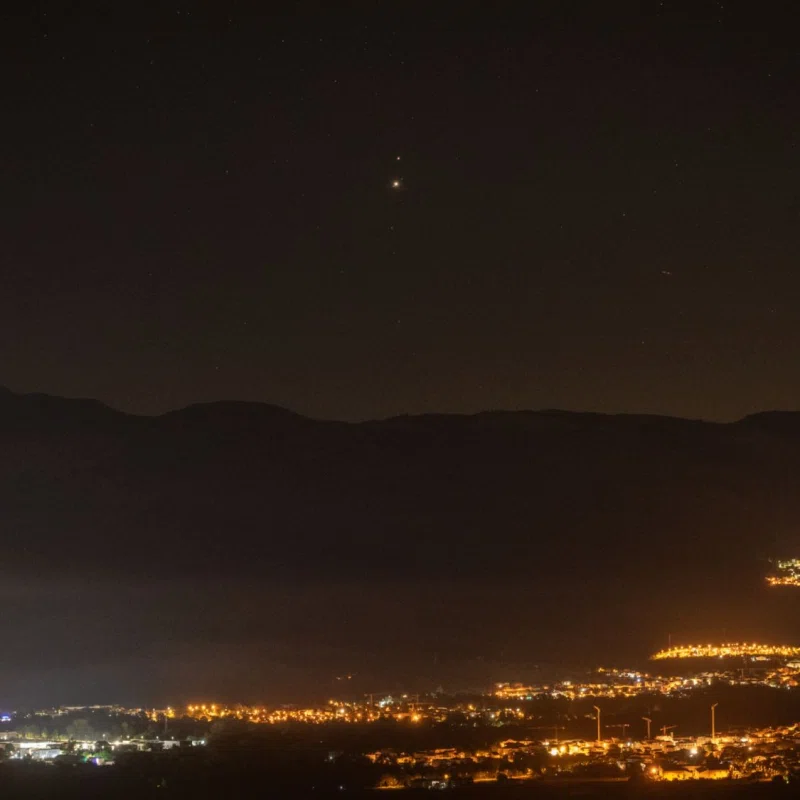
The two planets will reach their minimum separation of 1 degree and 11 minutes on November 16, 2026.
 Australia
An Australian research team says an AI model trained on cat and dog pictures can confirm major breakthroughs in locating black holes.
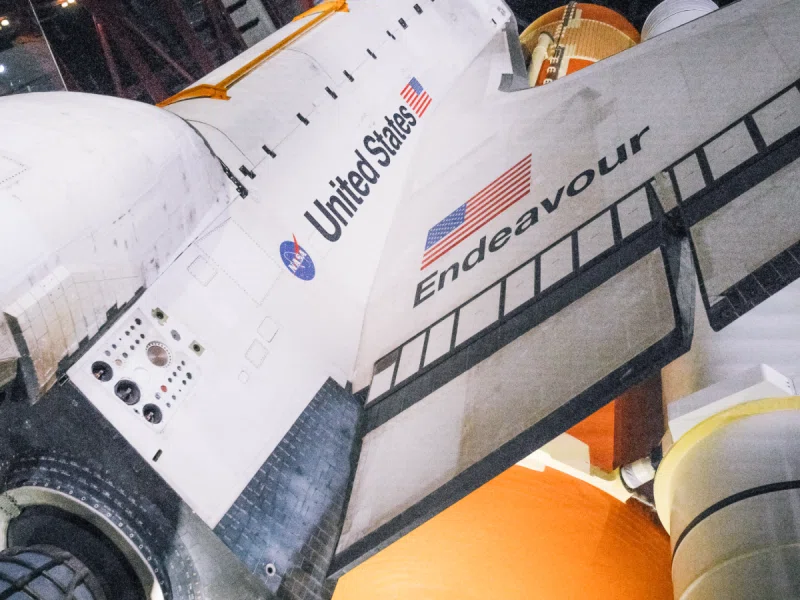
The California Science Center expansion features space shuttle Endeavour in a nearly 200-foot-tall launch configuration.
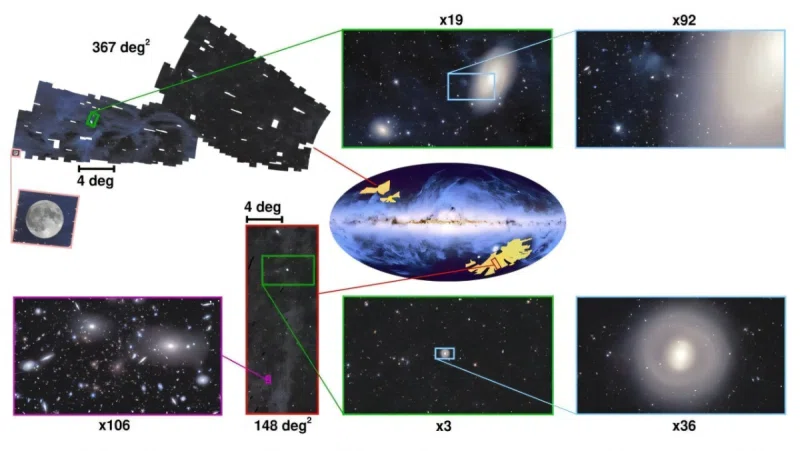
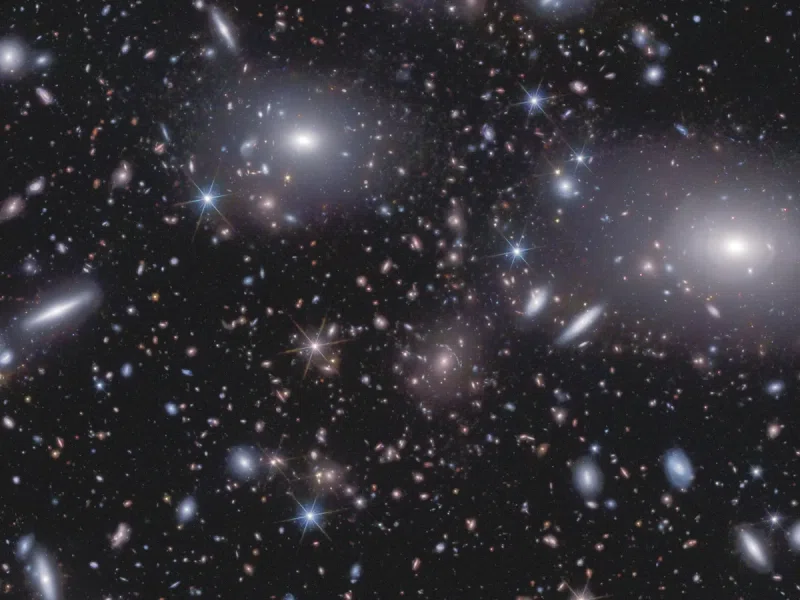
The DR1-Foundation data release captures light from more than 1 billion objects to help scientists study dark energy and dark matter.
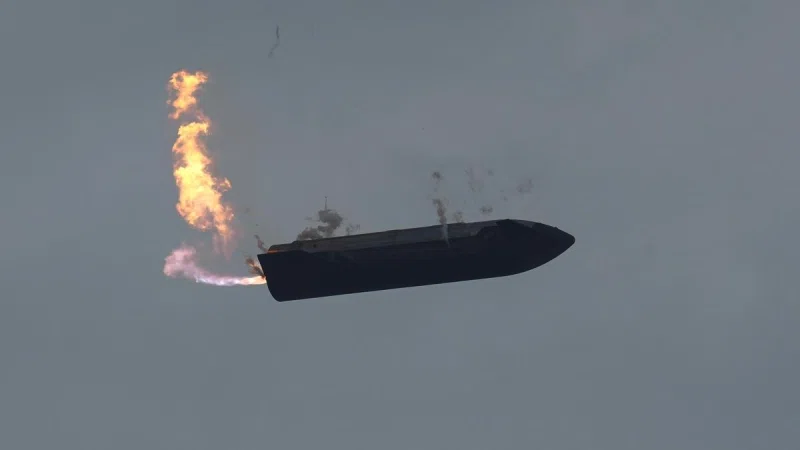
The launch has a 75-minute window starting at 4:45 p.m. and aims to recover the Starship spacecraft using a chopstick landing pad system.
New data from the European Space Agency's Euclid mission has identified about 15,000 probable cases of strong gravitational lensing.
AustraliaA CSIRO-led team used a new algorithm and machine learning to recover the iconic ring shape, confirming general relativity's description of spacetime.
 Indonesia
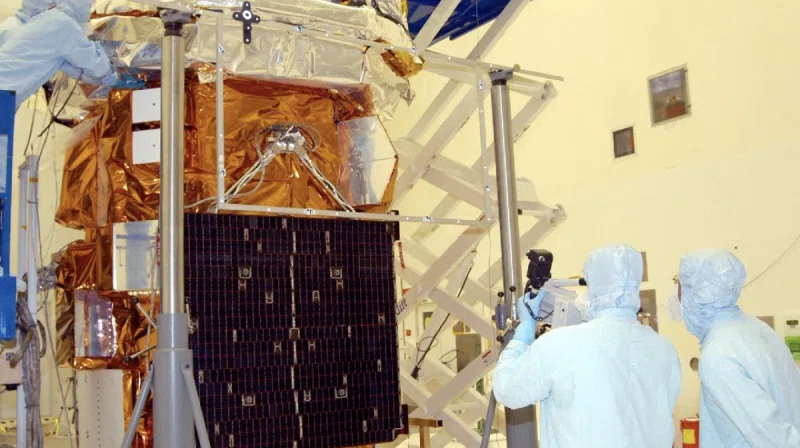
The 22-year-old space telescope re-entered Earth's atmosphere over Northern Sumatra after a failed attempt to boost its orbit.