Space
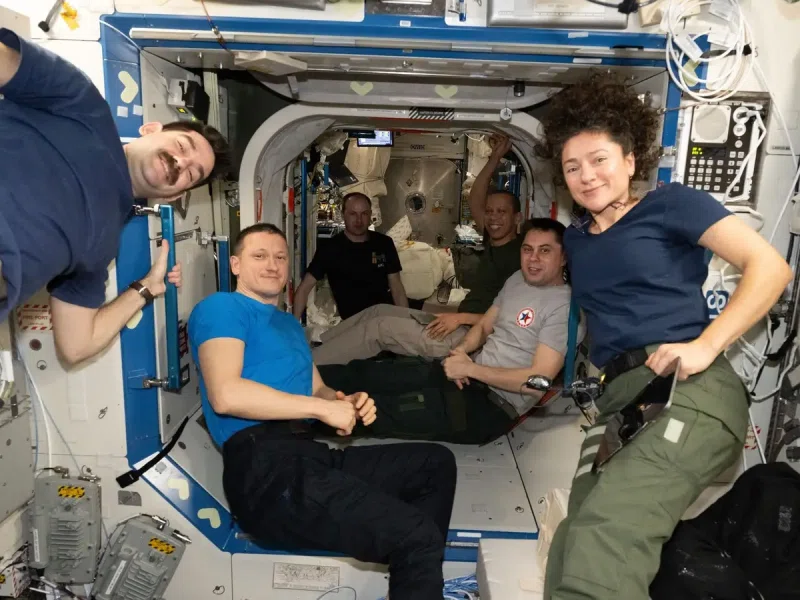
Life on the International Space Station is not always easy
The view is out of this world, but there is not a lot of room, no showers, and no laundry.
The view is out of this world, but there is not a lot of room, no showers, and no laundry.
 United States
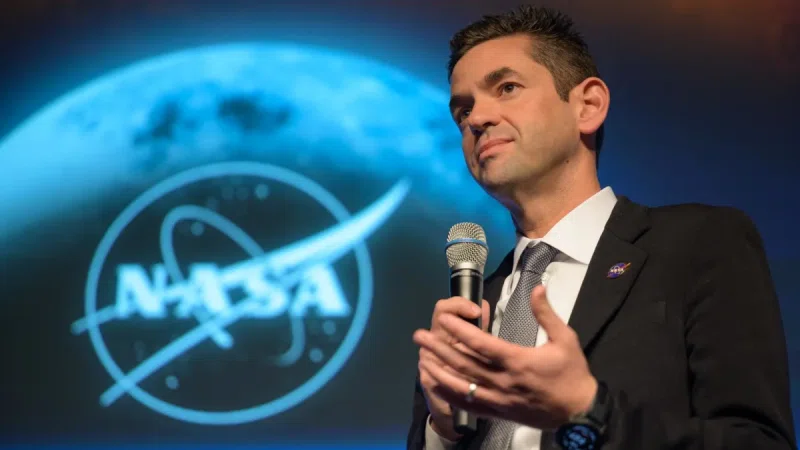
U.S. citizens can apply for astronaut roles by Dec. 3 to support plans for a moon base and crewed lunar missions.
Kiko Dontchev says the company is embracing AI to accelerate engineering and plans to retire the Falcon 9 in favor of the fully reusable Starship.
 China
Researchers aboard China's Tiangong space station reached an equivalent temperature of 9.7 picokelvins, shattering the previous record in the quest to approach absolute zero.
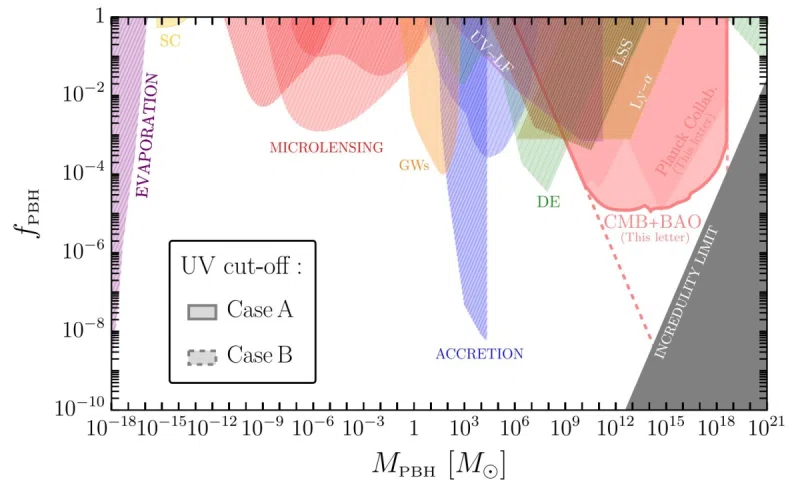
Even if stupendously large primordial black holes exist, they cannot make up any meaningful fraction of dark matter.
 New Zealand
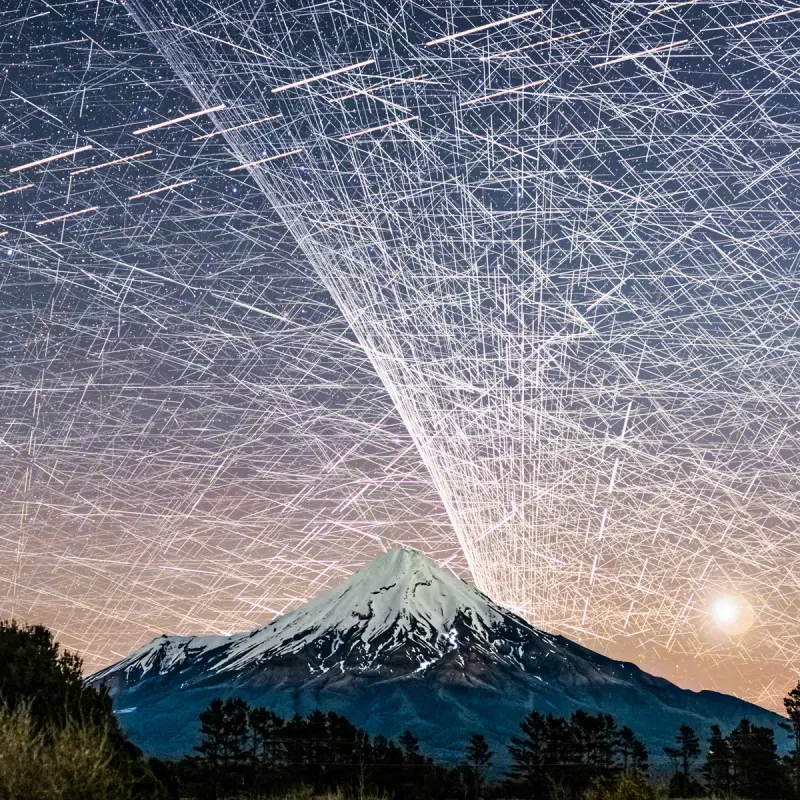
Brendan Larsen's image of Mount Taranaki shows 14,000 satellite trails, sparking debate over space activity and the night sky.
The 1.5-ton observatory is projected to fall back to Earth on Wednesday evening, though Korea is unlikely to be affected, according to KASA.
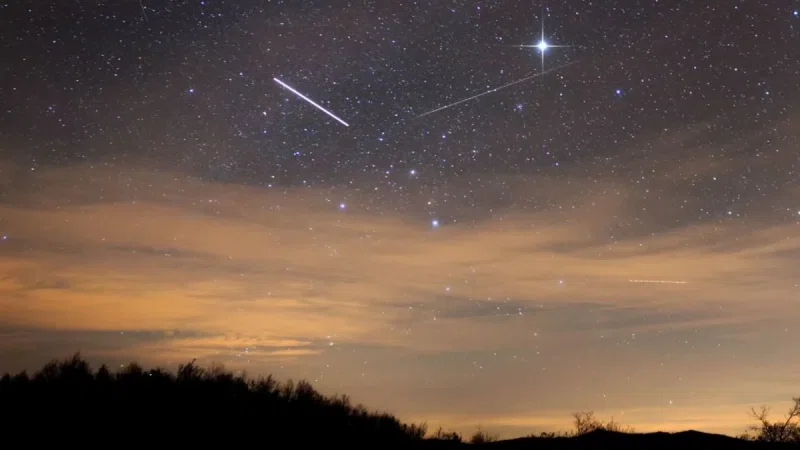
The annual shower is expected to produce bright fireballs as Earth passes through debris from comet 2P/Encke.
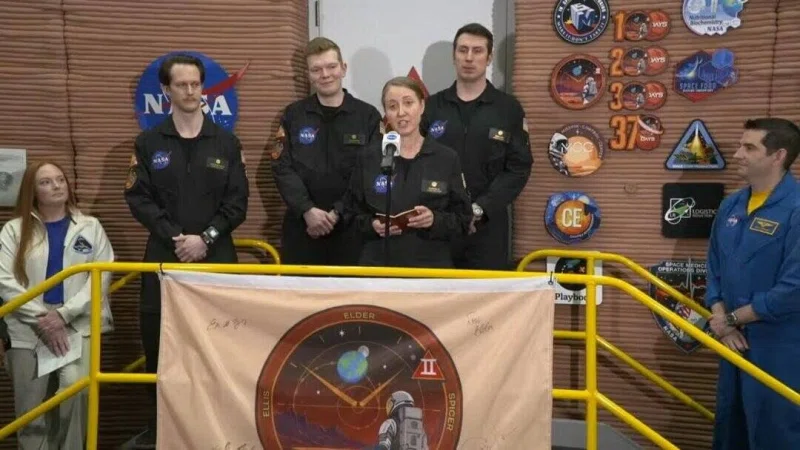
Four crew members finished a year-long Crew Health and Performance Exploration Analog mission on Oct. 31, 2026.
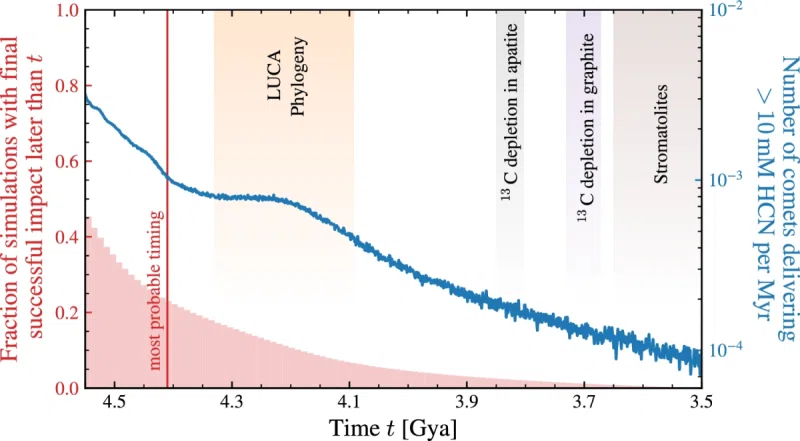
Modeling by University of Cambridge researchers suggests the intense heat of atmospheric entry destroys key organic compounds like hydrogen cyanide.
United StatesJared Isaacman denied that a new aircraft announcement is related to a missing SR-71 Blackbird.
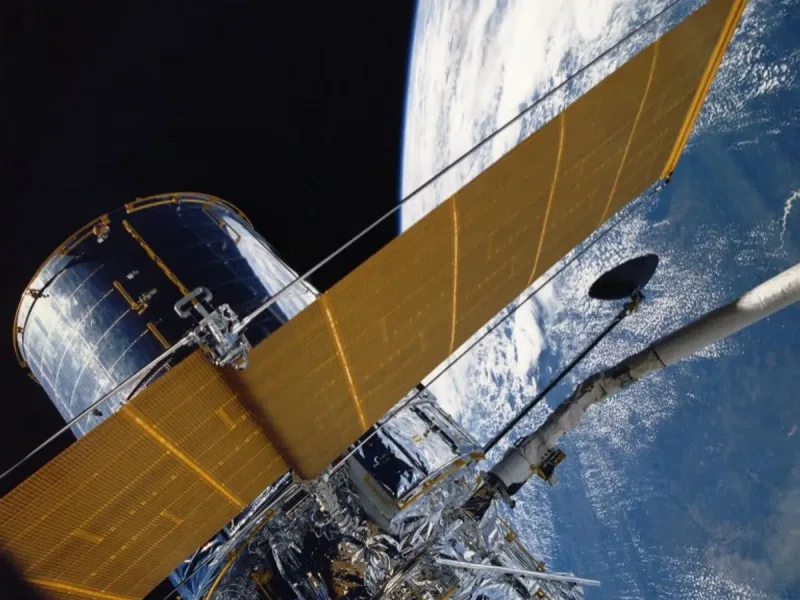
The 36-year-old telescope is expected to crash to Earth in the early 2030s due to gravity.
The 800-gram Teghaza 001 meteorite dates back more than 4.1 billion years and provides a record of Mars' early crust and water interactions.
The massive object could join Pluto, Ceres, Eris, Haumea and Makemake as an officially recognized dwarf planet if confirmed.
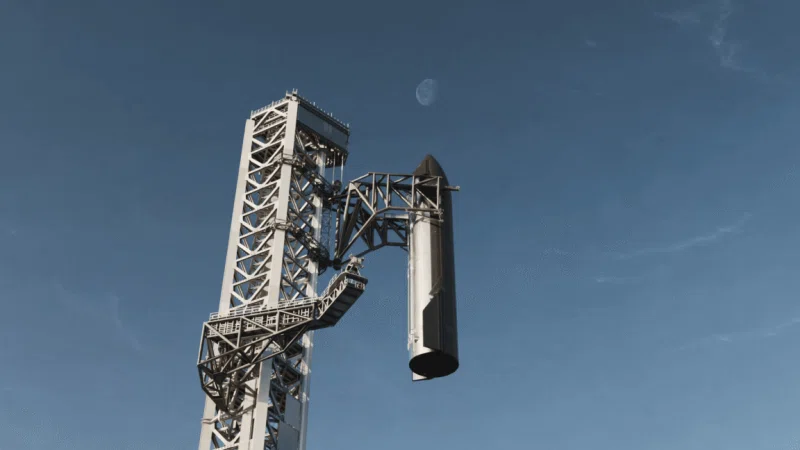
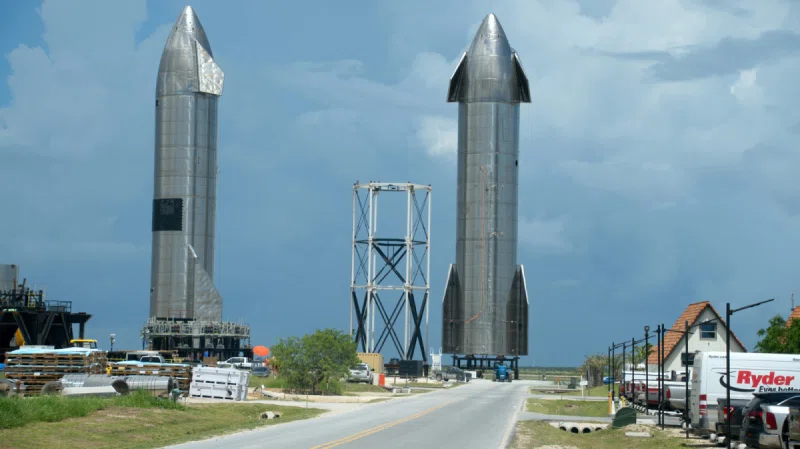
The two-stage vehicle generates 18.1 million pounds-force of liftoff thrust to transport heavy payloads and people beyond Earth orbit.
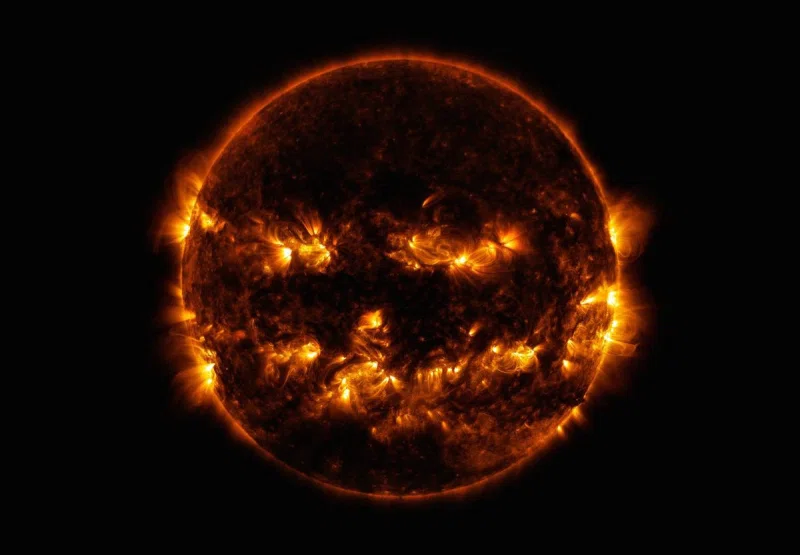
Images of colliding galaxies, a pulsar wind nebula, and the Sun reveal the scientific reality behind hauntingly familiar shapes in the Universe.
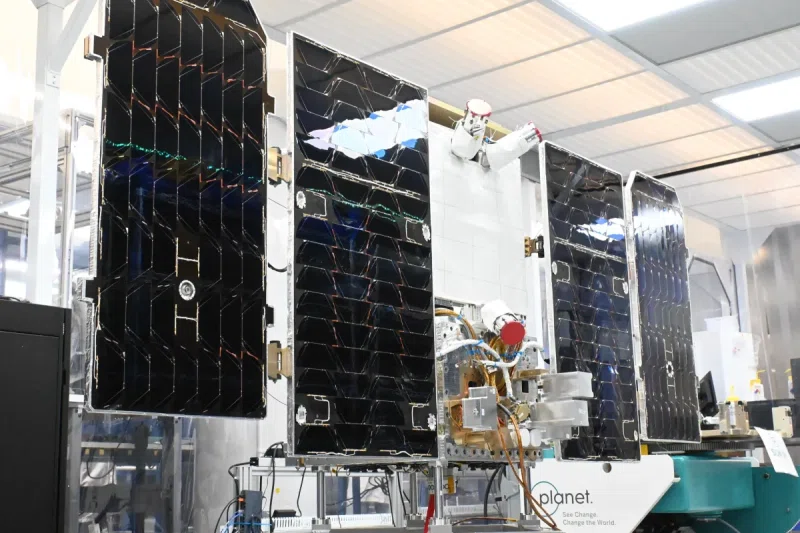
The Suncatcher satellite carries four Tensor Processing Units and is testing how hardware performs under thermal stress and radiation in orbit.
A study published in October 2026 suggests matching IceCube neutrino detections with radio flares from quasars could reveal the origins of these elusive particles.
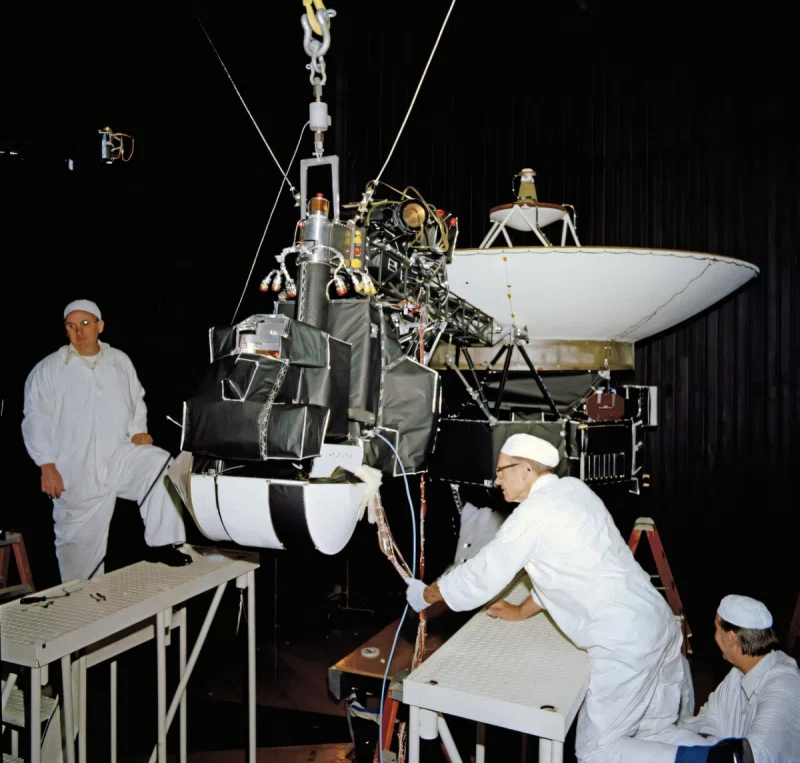
NASA engineers are investigating a brief communication loss with the spacecraft while celebrating a successful energy-saving effort nicknamed the Big Bang.
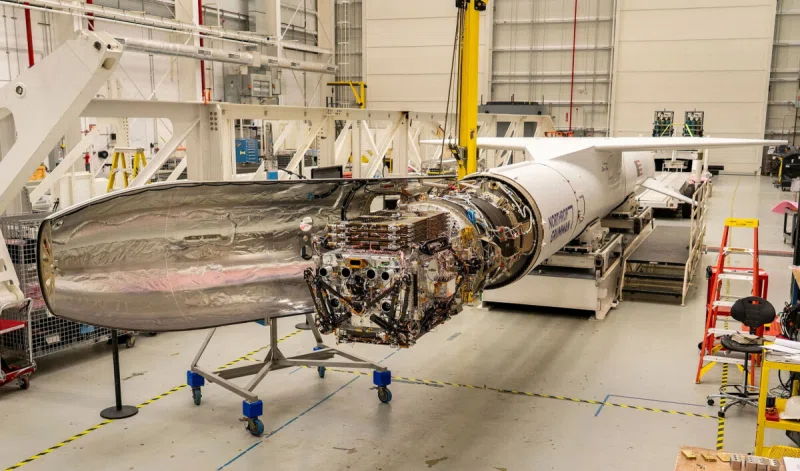
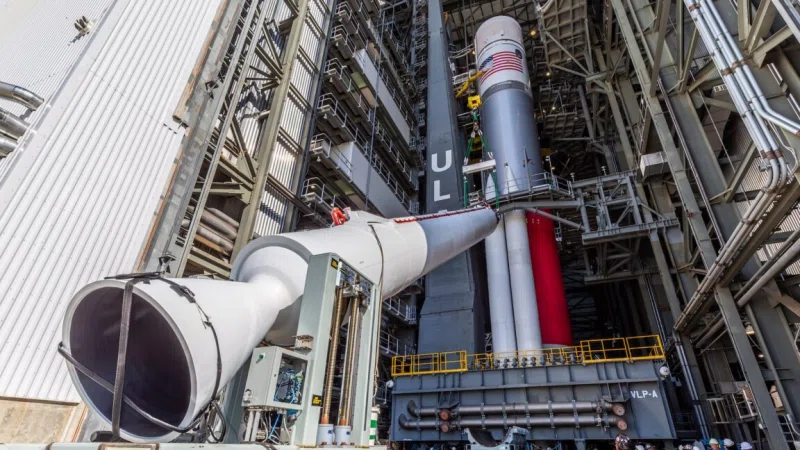
The mission will deploy 40 Amazon Leo satellites and features an improved nozzle design to address previous booster failures.
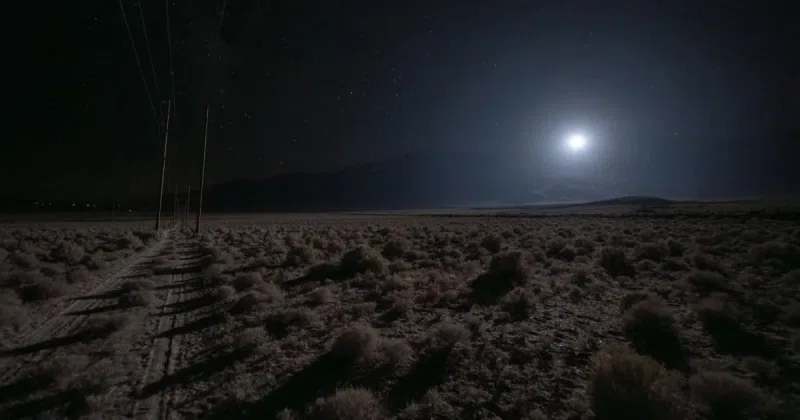
Reflect Orbital used spotlights in California to demonstrate how its planned satellite constellation could provide light on demand for search-and-rescue teams.
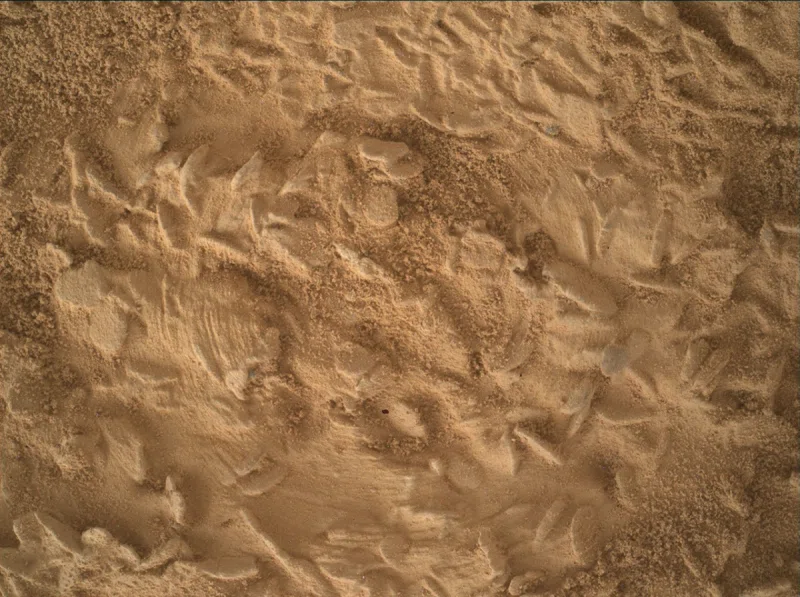
NASA's Curiosity rover has identified a promising target filled with disc- and needle-shaped crystal forms for its next drilling operation.