Space
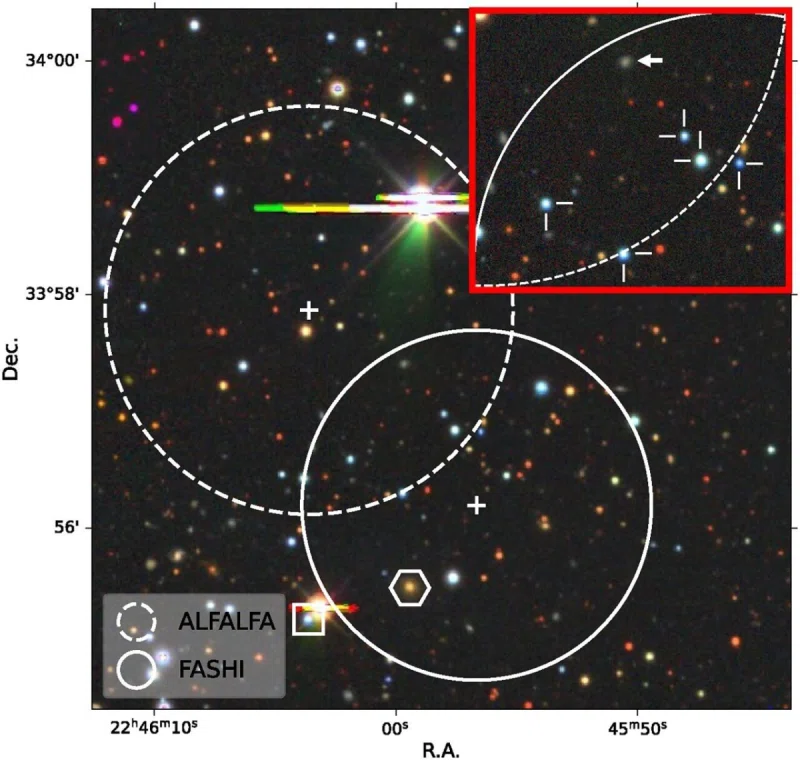
Astronomers have found a vast reservoir of hydrogen with missing starlight
The object AGC 322753 contains roughly 2 billion times the sun's mass in neutral hydrogen and is a promising dark galaxy candidate.
The object AGC 322753 contains roughly 2 billion times the sun's mass in neutral hydrogen and is a promising dark galaxy candidate.
Administrator Jared Isaacman says the agency is moving fast to land astronauts on the lunar surface by 2028.
New analysis of Gaia data suggests the galactic disk flattened rapidly 10.8 billion years ago before a more gradual thinning process occurred.
 China
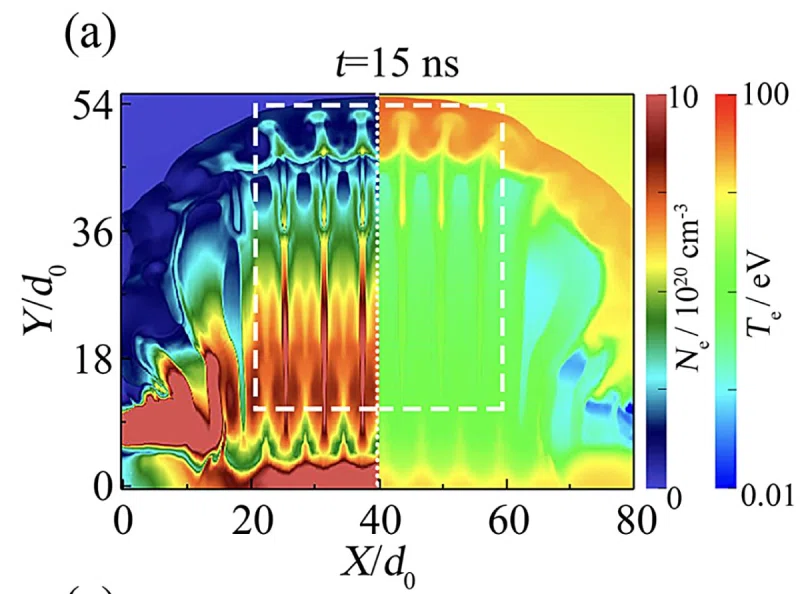
Researchers recreated corona-like conditions using a laser facility to show how plasma instabilities drive nanoflares.
Two seniors adapted the traditional ahupuaʻa system into a closed-loop food production design for Mars missions.
New simulations show episodic, asymmetric mass bursts during the Sun's dying phases could disrupt the orbits of Jupiter, Saturn, Uranus, and Neptune within 1 billion years.
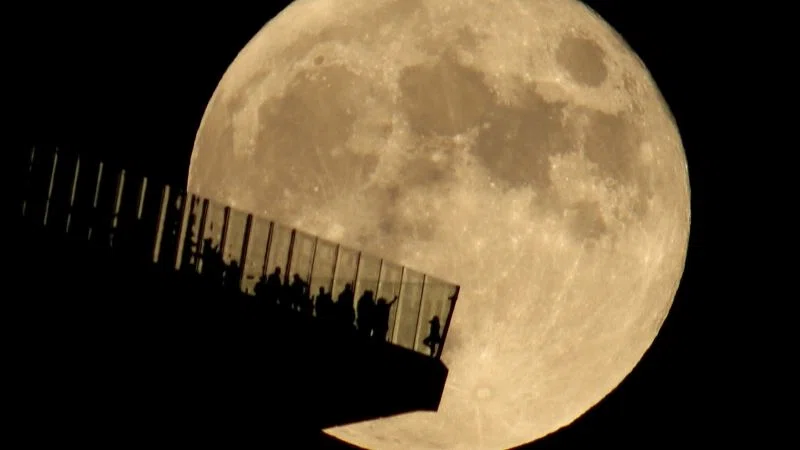
The full moon will be officially full at 04:11 GMT on Monday, potentially offering a glimpse of Saturn.
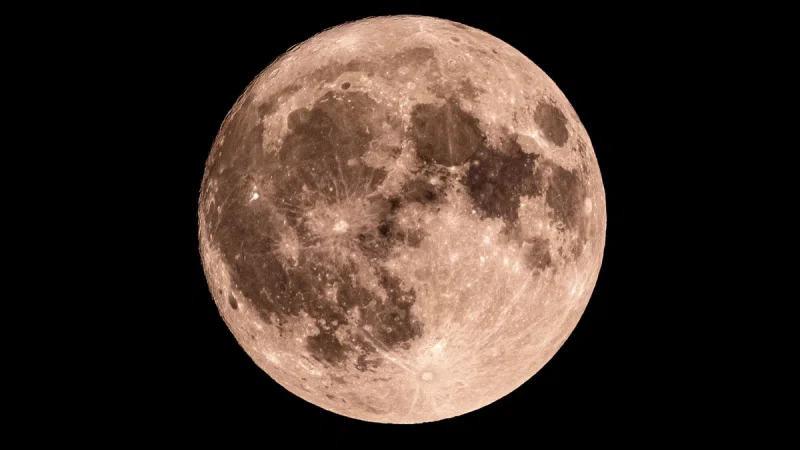
The Moon is currently in a Waxing Gibbous phase with 99% of its surface visible.
 Japan
The JAXA spacecraft aims to collect at least 10 grams of material from Phobos by 2031 to investigate how Mars acquired its moons.
SpaceX CEO Elon Musk disputed the estimate, claiming only 6 to 8 launches will be required to support a Moon landing.
 Ukraine
The country is looking to develop its own network to reduce dependence on SpaceX's Starlink and Starshield systems.
Dr. Garry Hunt, a member of the original Voyager imaging team, discusses his role in the mission as the probe approaches one light day's distance from Earth.
The Falcon 9 rocket launch from Cape Canaveral could produce a visible exhaust plume from North Carolina to Florida.
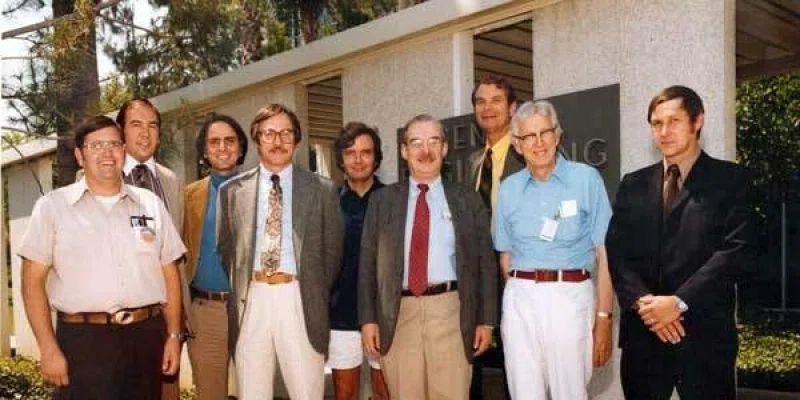
The MIT scientist directed the software engineering division that developed the Apollo Guidance Computer used to land humans on the moon.
 United States
The mission, which is targeted for launch in 2030, will use a small satellite to study ultraviolet light from approximately 70 stars.
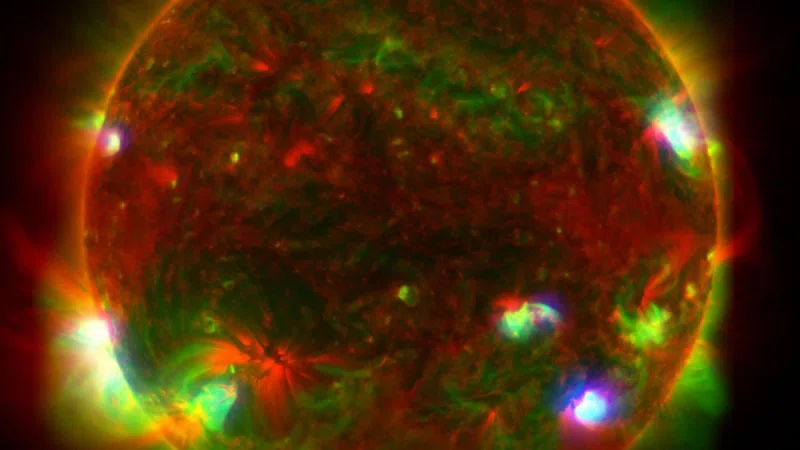
Joint analysis of data from India's Aditya-L1 and the European Space Agency's Proba-3 offers new insights into solar eruption evolution.
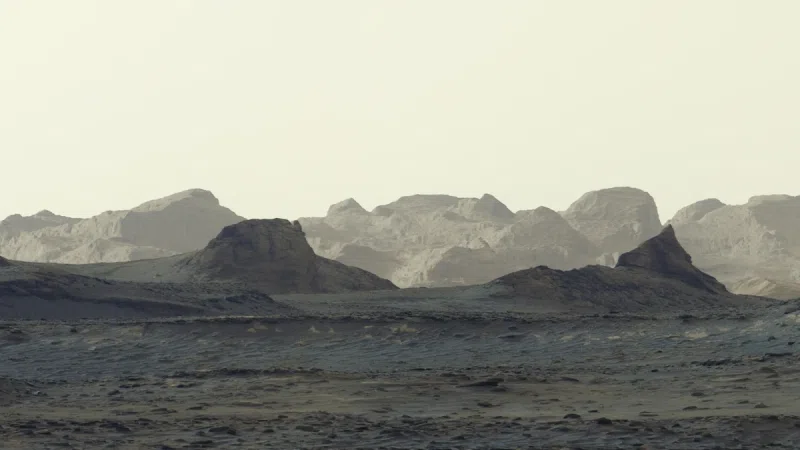
The rover's Mastcam instrument recorded a panorama on Aug. 11 that skipped the usual color adjustments used to remove the influence of pink-red dust.
The Draconid meteor shower peaks on a night with a nearly moonless sky, offering ideal viewing conditions. The shower can bring hundreds of meteors per minute.
Scientists have detected a strange signal from deep space that took 10 billion years to reach Earth, originating near the dawn of time. The signal's origin and nature are currently unknown.
The Artemis II mission's preliminary lunar science report is out, with nearly 1 TB of data available to the public. The crew of four astronauts spent nine days in space, gathering data and observing the moon's geology and Earth from a unique perspective.
Aurora may be visible from 10 US states on Monday. Moderate geomagnetic storming is expected due to 4 coronal mass ejections heading for Earth.