

NASA Swift telescope expected to reenter Earth's atmosphere Wednesday
The 1.5-ton observatory is projected to fall back to Earth on Wednesday evening, though Korea is unlikely to be affected, according to KASA.
 Space Desk 2 min read
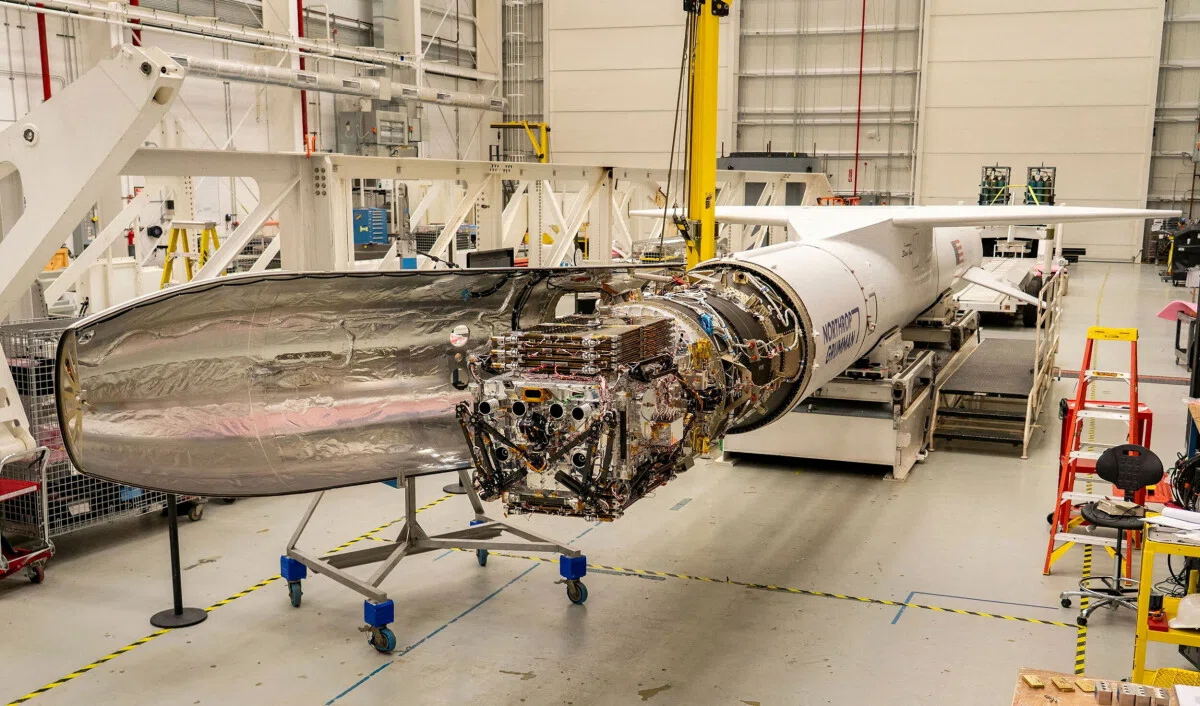
The defunct Neil Gehrels Swift Observatory is expected to reenter Earth's atmosphere on Wednesday evening. The Korea AeroSpace Administration (KASA) said it is highly unlikely the observatory will crash near the Korean Peninsula.
The telescope is projected to reenter the atmosphere at around 8:46 p.m., KASA said, citing an analysis from the Korea Astronomy and Space Science Institute (KASI). There is a margin of error of two hours.
Launched in 2004, the 1.5-ton telescope spent 22 years observing high-energy gamma-ray bursts. The observatory had been slowly falling out of orbit. NASA attempted to send a private satellite to bump the telescope in July to regain altitude, but the plan failed.
The telescope reached a point of no return and was shut down on Oct. 20. KASA said it plans to continue monitoring the movements of the Swift telescope with KASI.
Most of the telescope's body is expected to burn up in the atmosphere, but some components will likely fall into the ocean.
Key facts
- The Neil Gehrels Swift Observatory is expected to reenter Earth's atmosphere at approximately 8:46 p.m. on Wednesday.
- The 1.5-ton telescope was launched in 2004 and operated for 22 years.
- A NASA attempt in July to extend the telescope's life using a private satellite failed.
Three perspectives
Neutral
The defunct Neil Gehrels Swift Observatory is expected to reenter Earth's atmosphere on Wednesday evening.
Positive
KASA plans to continue monitoring the Swift telescope's movements with KASI.
Negative
A NASA attempt to bump the telescope in July to regain altitude failed.
Your week in news, every Wednesday
The biggest stories of the week for your edition, in your inbox every Wednesday morning, your time. Free, and you can unsubscribe at any time.