

Scientists recover 22,000-year-old human nuclear DNA from cave dirt in Spain
Researchers at the University of Vienna extracted genetic material from a tiny scoop of dirt containing zero human bones, teeth or fossils.
 Science Desk 2 min read
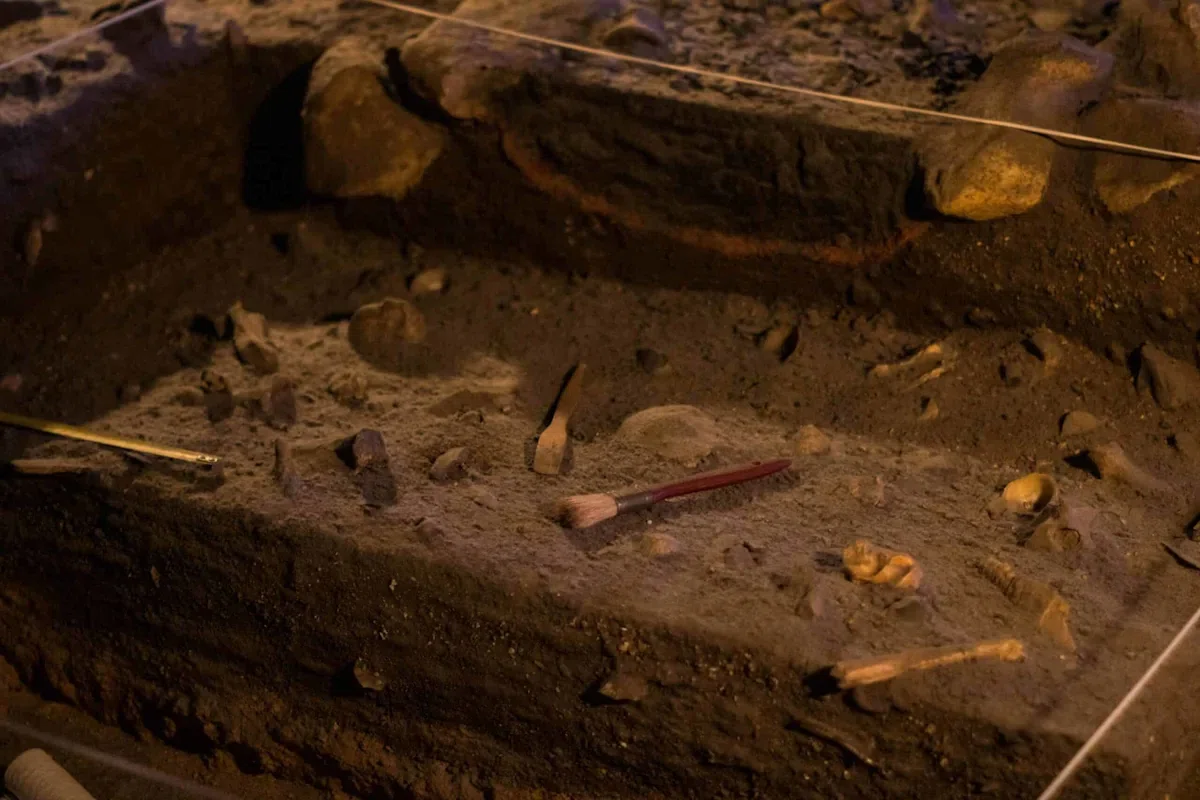
Researchers at the University of Vienna successfully extracted 22,000-year-old human nuclear DNA from a tiny scoop of cave dirt in Spain. The sample, which weighed no more than a few grains of rice, was collected from El Mirón Cave.
The specific layer of dirt where the sample was found contained zero human bones, teeth or fossils. The genetic material was likely shed thousands of years ago from the skin, hair or blood of ancient people who took shelter in the cave roughly 22,000 years ago during the coldest stretch of Europe's last ice age.
To isolate genuine human traces from modern contamination, the team sifted through more than a billion DNA fragments and sequenced the tiny dirt sample roughly 100 times. The findings revealed that the DNA came from a mix of individuals, showing more male traces than female.
The genetic data suggests these cave inhabitants belonged to a western ancestry group characterized by dark skin, hair and eyes. When lead author Pere Gelabert and the team compared the El Mirón nuclear DNA to older European samples, they noticed the 22,000-year-old cave dirt sample displayed strictly western lineage traits, while older remains showed signs of eastern ancestry.
This detail argues against any major population replacement in southwestern Europe between 30,000 and 20,000 years ago, pointing instead to a continuous local population. Because skeletons from this era are exceptionally rare, analyzing sedimentary DNA effectively doubles the available genetic evidence for researchers.
Key facts
- Scientists recovered 22,000-year-old human nuclear DNA from a tiny scoop of cave dirt in Spain's El Mirón Cave.
- The specific layer of dirt where the sample was found contained zero human bones, teeth or fossils.
- The findings suggest a continuous local population in southwestern Europe between 30,000 and 20,000 years ago.
Three perspectives
Neutral
Researchers extracted ancient human nuclear DNA from a small amount of cave dirt in Spain.
Positive
Analyzing sedimentary DNA effectively doubles the available genetic evidence for researchers because human skeletons from certain periods are rare.
Negative
The team had to sequence the tiny dirt sample roughly 100 times to isolate genuine human traces from modern contamination.
Your week in news, every Wednesday
The biggest stories of the week for your edition, in your inbox every Wednesday morning, your time. Free, and you can unsubscribe at any time.