

Bird flu resurgence in Cambodia linked to genetic reassortment
A new strain of H5N1 has caused 15 deaths in Cambodia after a nine-year hiatus, with scientists warning the virus may be gaining new infection powers through reassortment.
 Health Desk 2 min read
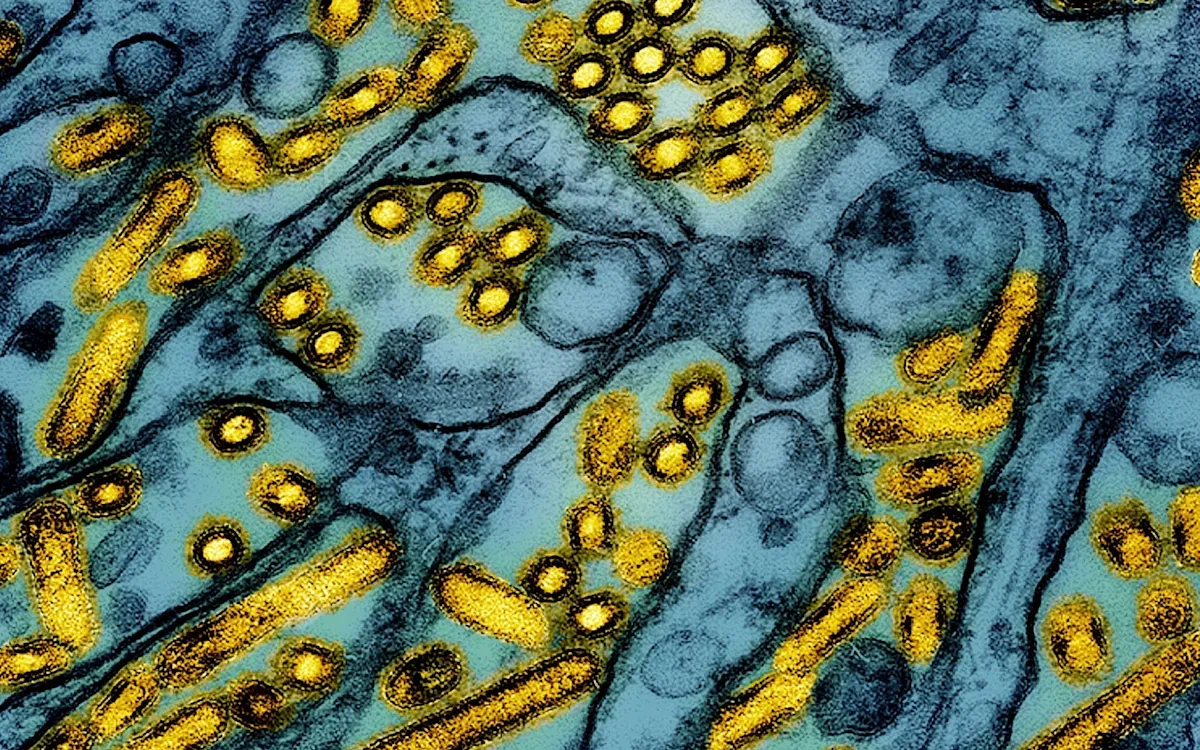
The resurgence of the bird flu virus in Cambodia began with an 11-year-old schoolgirl who was admitted to a hospital in Phnom Penh with severe pneumonia in February 2023 and died within a day. Tests revealed she had contracted avian influenza, ending a hiatus in reported human cases that had lasted since 2014.
Since that case, 39 more people in the country have been infected and 15 have died, representing a case fatality rate of roughly 40 per cent. Researchers are investigating why the H5N1 clade 2.3.2.1, which had circulated for almost a decade without spilling into humans, has suddenly started jumping from birds to people again.
Scientists say the rise in human cases coincided with the virus gaining new genetic material from a second flu virus through a process called reassortment. Unlike a mutation that arises randomly within a single strain, reassortment occurs when material from two different strains jumbles to create a new progeny virus.
Dr. Erik Karlsson, head of the virology unit at the Pasteur Institute of Cambodia, said there is a clear association between the resurgence of reported human H5N1 infections and reassortant viruses, though it has not been demonstrated that reassortment made these viruses better at infecting people.
While there is no evidence the virus has evolved to spread between humans, scientists believe it may have become more efficient at jumping from birds to people. Professor Ed Hutchinson, a molecular and cellular virologist at the University of Glasgow, said the mixing and matching of genes suggests the virus may be undergoing major genetic changes with unpredictable consequences.
The process of reassortment is likely driven by intensifying poultry production, shifting wild bird migration patterns, and intensively shared human–animal interfaces.
Key facts
- Cambodia has seen 39 human H5N1 infections and 15 deaths since the first case in February 2023.
- The H5N1 virus in Cambodia appears to have undergone reassortment, combining genes from two different strains.
- The case fatality rate for the recent bird flu infections in Cambodia is roughly 40 per cent.
Three perspectives
Neutral
The H5N1 bird flu virus in Cambodia has seen a resurgence in human infections involving reassortant viruses.
Positive
Scientists are monitoring the evolution of avian flu viruses to understand the risks of new outbreaks.
Negative
The recent human cases of H5N1 in Southeast Asia involve viruses that have mixed and matched genes, which may have unpredictable consequences.
Your week in news, every Wednesday
The biggest stories of the week for your edition, in your inbox every Wednesday morning, your time. Free, and you can unsubscribe at any time.