

AI model uses facial photos to predict cancer survival risk
Researchers at Mass General Brigham have unveiled FAHR-Face, a deep-learning model trained on 40 million images to estimate biological age and oncology survival timelines.
 AI & Cyber Desk 2 min read
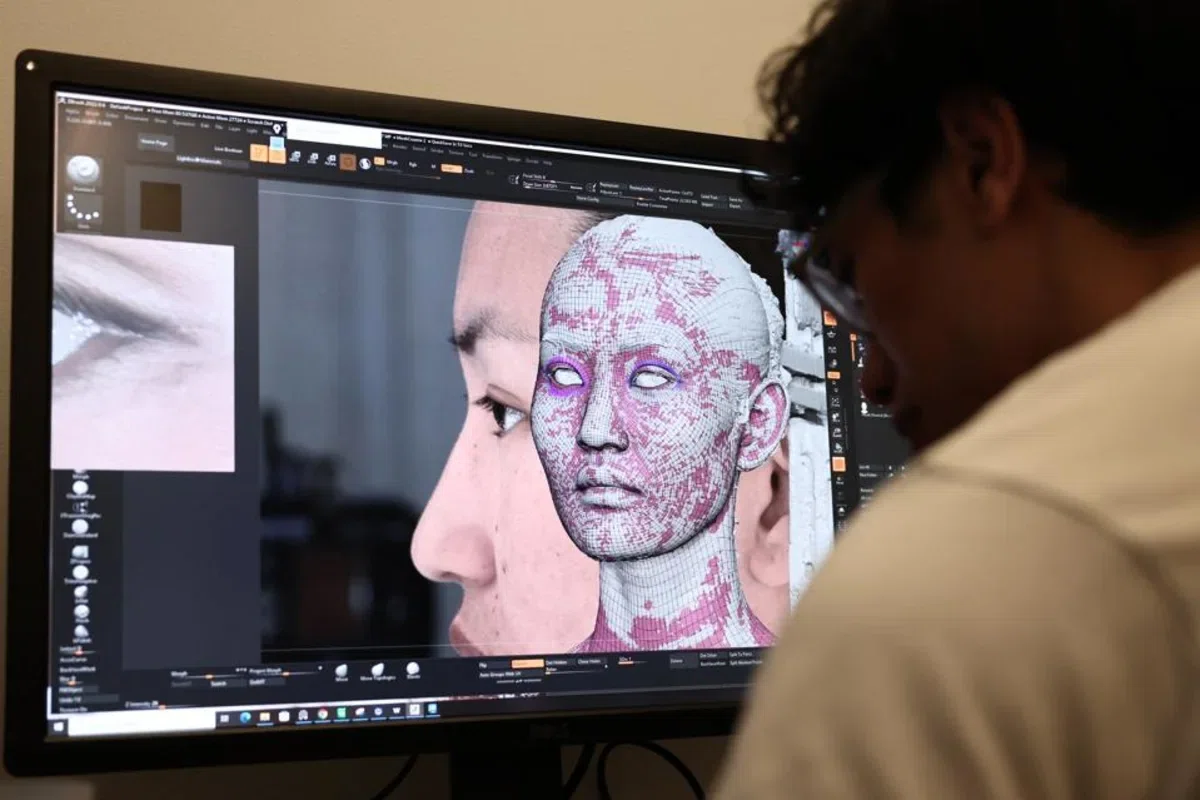
Researchers at Mass General Brigham have developed a deep-learning foundation model that uses facial images to provide clues about cancer survival. The model, named FAHR-Face, was trained on more than 40 million facial images. It powers two clinical tools: FAHR-FaceAge, which estimates biological age, and FAHR-FaceSurvival, which evaluates survival risk in oncology patients.
The FAHR-FaceSurvival tool predicts cancer survival timelines by focusing on the region around the nasal bridge and beneath the eyes. In validation cohorts of thousands of radiation oncology patients, those receiving high-risk scores from the model had significantly higher 90-day mortality rates. These predictions remained accurate after researchers adjusted for sex, age, cancer stage, and cancer type.
The FAHR-FaceAge tool analyzes the forehead, temples, and nasolabial folds to map biological aging. The study found that heavy alcohol use, drug use, and smoking can cause biological age to be higher than chronological age. The tool remained largely resilient to makeup, expressions, lighting, and most cosmetic procedures, though minor shifts were isolated to rhinoplasty.
Dr. Raymond Mak, a radiation oncologist at Mass General Brigham Cancer Institute, said the goal is to make face photograph-based health assessment more consistent, scalable, and quantitative to support personalized treatment decisions rather than replace physician judgment. A scalable, non-invasive digital biomarker could streamline risk stratification before treatment.
Critical caveats remain, as the AI identifies statistical patterns without explaining the biological mechanisms driving them. Chronic illness, systemic inflammation, socioeconomic stressors, and previous treatments also alter facial appearance and prognosis. Additionally, the study used retrospective data, and proving an algorithm can categorize historical data is different from proving it improves patient survival or care.
Key facts
- The FAHR-Face model was trained on over 40 million facial images.
- FAHR-FaceSurvival predicts cancer survival timelines by analyzing the area around the nasal bridge and under the eyes.
- High-risk scores from the model correlated with higher 90-day mortality rates in radiation oncology patients.
Three perspectives
Neutral
The FAHR-Face model uses deep learning to extract health indicators from static facial imagery.
Positive
The technology offers a scalable, non-invasive digital biomarker that could streamline pre-treatment risk stratification.
Negative
The use of facial biometrics for health assessment raises concerns regarding data privacy and potential misuse by third parties like life insurers.
Your week in news, every Wednesday
The biggest stories of the week for your edition, in your inbox every Wednesday morning, your time. Free, and you can unsubscribe at any time.