

 Ireland
PCSK9 inhibitors may be safer than statins for high-risk stroke patients
A study by UCLA researchers suggests PCSK9 inhibitors could be a better choice for patients at increased risk of haemorrhagic stroke than statins.
 Health Desk 2 min read
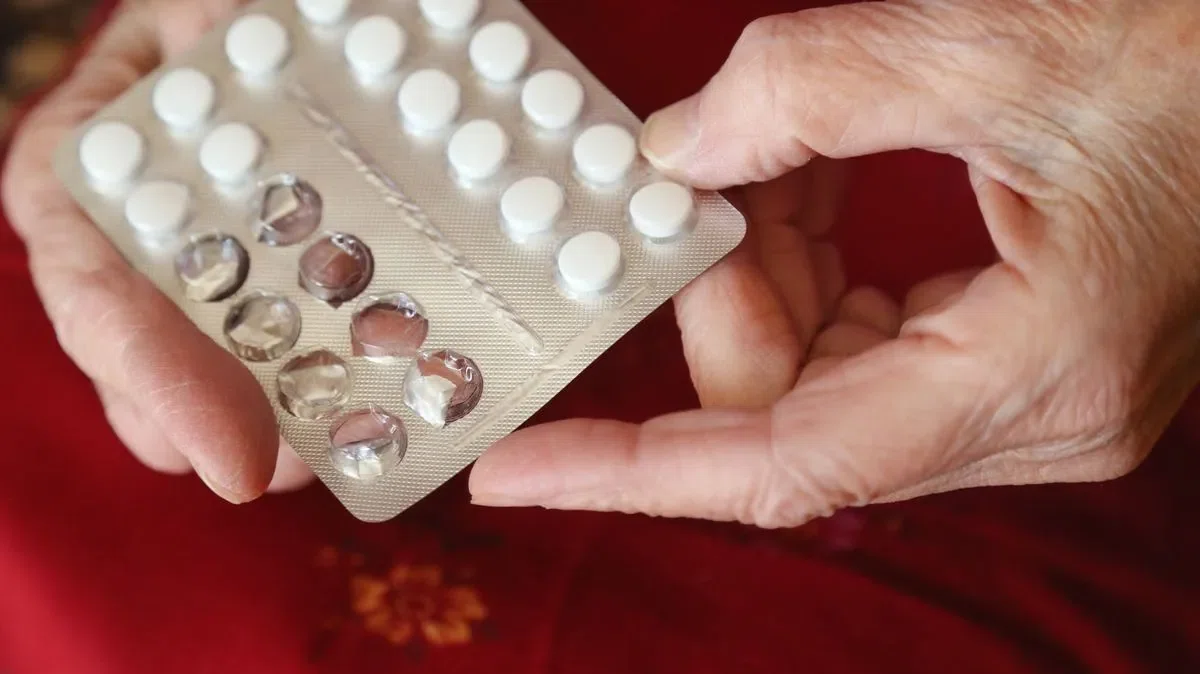
For patients at heightened risk of haemorrhagic stroke, a category of cholesterol-lowering drugs known as PCSK9 inhibitors may represent a safer option than statins, according to a new study by UCLA researchers. The research used data from 36 completed randomised trials to assess even rare side effects.
Statins, such as Atorvastatin, Simvastatin and Rosuvastatin, are potent medications that lower cholesterol and decrease the risk of heart disease. They also reduce the risk of ischaemic stroke, which occurs when plaque buildup causes blood clots to obstruct blood flow to the brain.
However, researchers discovered that statins marginally increased the risk of haemorrhagic stroke across all patients. This risk was greater in patients taking higher doses and in those who had sustained prior brain injury from a previous ischaemic stroke. For patients who had already experienced a haemorrhagic stroke, taking statins increased the risk of a future brain bleed by approximately four times.
Jeffrey Saver, professor of neurology and director of the Comprehensive Stroke and Vascular Neurology Program at the David Geffen School of Medicine at UCLA, said that in the past, there were not great alternative agents to statins to manage this risk. He noted that PCSK9 inhibitors work through an entirely different mechanism. They lower cholesterol as strongly or even more than statins and appear to have fewer off-target effects.
An estimated 250,000 people in Ireland are prescribed statin drugs to lower cholesterol and help prevent cardiovascular problems. For patients with a past ischaemic stroke, Prof Saver said the benefit of statins in terms of reducing ischaemic stroke greatly outweighs the slight risk of haemorrhagic stroke.
Key facts
- PCSK9 inhibitors may be a safer cholesterol management option than statins for patients at heightened risk of haemorrhagic stroke.
- Statins increase the risk of a future brain bleed by approximately four times in patients who have previously suffered a haemorrhagic stroke.
- An estimated 250,000 people in Ireland are prescribed statins to lower cholesterol.
Three perspectives
Neutral
Statins remain a mainstay of cholesterol-lowering therapy and have provided a tremendous benefit to patients with vascular disease worldwide.
Positive
PCSK9 inhibitors can lower cholesterol as strongly or even more than statins with potentially fewer off-target effects.
Negative
Statins may increase the risk of haemorrhagic strokes, which occur when a blood vessel in or around the brain bursts and bleeds.
Your week in news, every Wednesday
The biggest stories of the week for your edition, in your inbox every Wednesday morning, your time. Free, and you can unsubscribe at any time.