

Indigenous women denied interpreter during Brazil election
Two women from the Tumucumaque Park Indigenous Territory were unable to use a translator while voting in Macapá.
 World Desk 2 min read
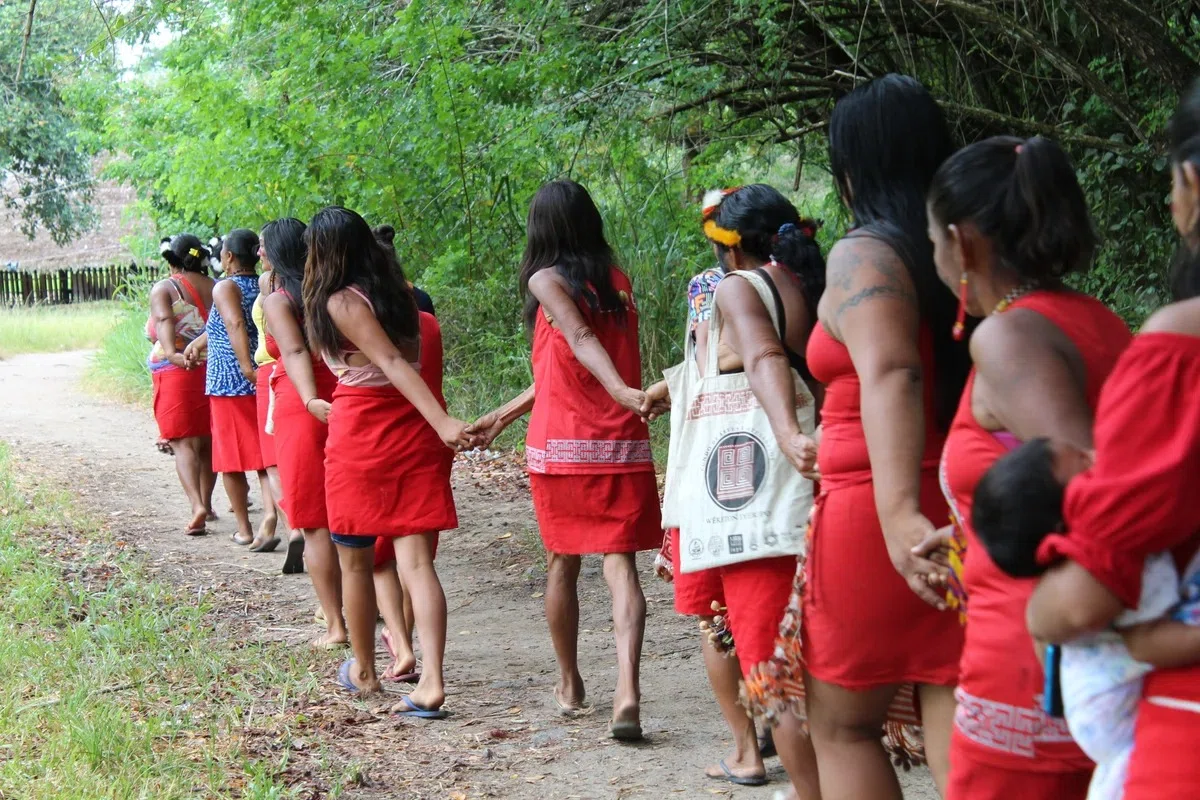
Two Indigenous women who do not speak Portuguese were denied assistance from their interpreter while voting in Brazil’s Oct. 4 election. Racela Tiriyó, 23, and Mirami Tiriyó, 33, are from the Tumucumaque Park Indigenous Territory in the northeastern Brazilian Amazon. They were both voting for the first time in Macapá, the capital of Amapá state.
The translator, community leader Mitore Tiriyó Kaxuyana, is a relative of the women. Kaxuyana said poll workers informed her that only voters with disabilities were authorized to receive help from a translator. A supervisor confirmed this to her.
The women voted alone because poll workers were unable to provide assistance in Tiriyó, the pair’s native language. Kaxuyana was not allowed to explain the process to them and they left unsure whether their votes had gone through as intended. Kaxuyana said, "For me, it was like prejudice."
Kaxuyana, who represents her territory as the coordinator of the Articulation of Indigenous Women of the Tiriyó, Kaxuyana and Txikiyana Peoples (AMITIKATXI), said her territory is not served with voting booths. Only people who are able to independently travel to Macapá by plane are able to vote.
Sônia Guajajara, a member of Brazil’s Congress and former minister of Indigenous peoples, compiled complaints from Indigenous voters across the country in letters sent to the Superior Electoral Court (TSE) on Oct. 8 and to the regional electoral court of Amapá on Oct. 13. Guajajara wrote that when someone is unable to vote because there is no boat, fuel, ground transportation or assistance in their language, it is a denial of a fundamental right.
Key facts
- Racela Tiriyó and Mirami Tiriyó were denied an interpreter during the Oct. 4 election in Macapá.
- Poll workers told the translator that only voters with disabilities were authorized to receive help.
- Sônia Guajajara sent letters to the TSE and the regional electoral court of Amapá regarding Indigenous voting complaints.
Three perspectives
Neutral
Two Indigenous women from the Tumucumaque Park Indigenous Territory voted in Macapá without the assistance of their translator.
Positive
Under a resolution issued by Brazil’s Superior Electoral Court (TSE), Indigenous voters have the right to electoral services that respect their languages, customs and traditions.
Negative
The women left the polls unsure if their votes had gone through as intended because they were not allowed to use an interpreter.
Your week in news, every Wednesday
The biggest stories of the week for your edition, in your inbox every Wednesday morning, your time. Free, and you can unsubscribe at any time.