

 Iceland
Confusion over animal welfare labels on food packaging
Unregulated terms and certification logos make it difficult for shoppers to compare welfare standards for chicken, pork, milk, and eggs.
 Lifestyle Desk 2 min read
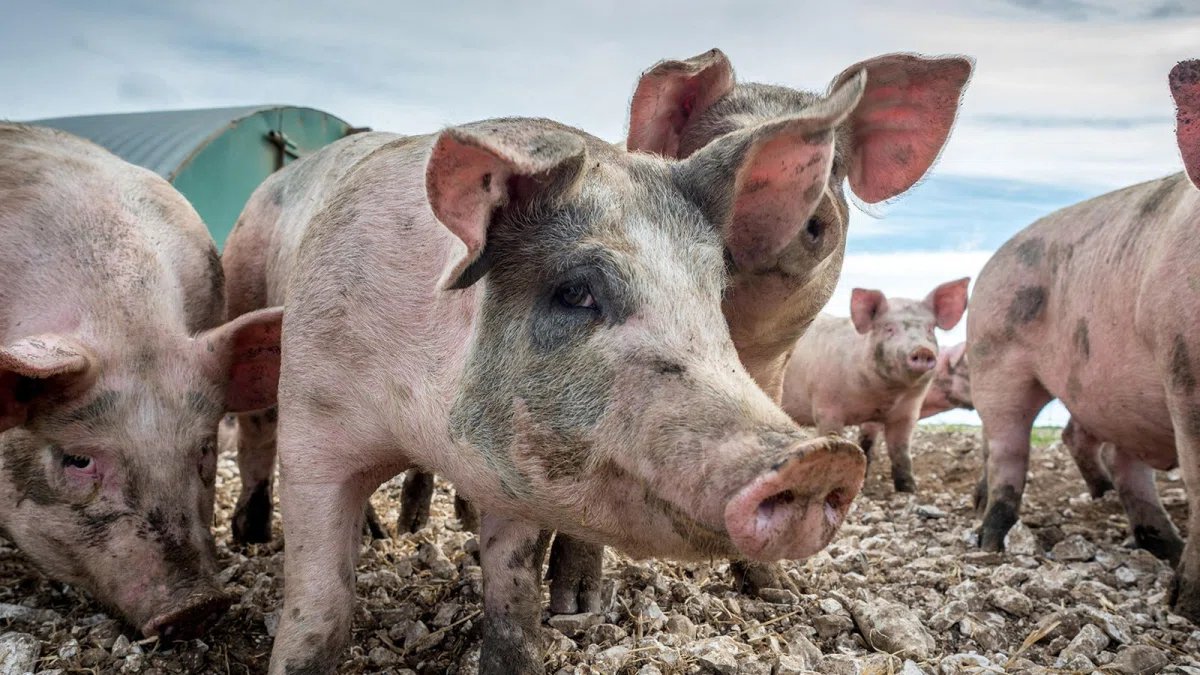
Shoppers face difficulty identifying products with the highest animal welfare standards due to a mix of unregulated terms and formal certification logos. A survey of 2,039 UK adults in June 2026 found it is not always easy to work out which products genuinely come with high welfare standards based on front-of-pack information alone.
Supermarkets use terms like 'slower grown' for chicken, but this phrase has no legal definition or recognised standard definition. While some use it to indicate a breed that grows at a slower pace, it does not necessarily mean the supermarket has high welfare standards.
In the UK, more than 85% of farmed animals are kept indoors. Six million hens are kept in cages, and approximately 90% of pigs are slaughtered using a method that Defra’s recent animal welfare strategy acknowledges causes avoidable pain and distress.
Animal welfare campaigners, including Compassion in World Farming and Four Paws, want unregulated, industry-led terminology replaced with standardised labelling. Anthony Field, Head of Compassion in World Farming UK, said the current system is unfair to consumers wanting higher welfare meat and to farmers being undermined by lower welfare products hiding behind misleading labels.
Key facts
- More than 85% of UK farmed animals are kept indoors.
- Six million hens are kept in cages in the UK.
- The term 'slower grown' has no legal definition or recognised standard definition.
Three perspectives
Neutral
The UK uses a variety of certification labels and phrases on food packaging to indicate animal welfare levels.
Positive
The Soil Association and RSPCA provide certified standards that include criteria such as increased space, environmental enrichment, and reduced drug use.
Negative
Unregulated and undefined terms on packaging can add confusion and reinforce a perception of high-level welfare when they do not stand up to scrutiny.
Your week in news, every Wednesday
The biggest stories of the week for your edition, in your inbox every Wednesday morning, your time. Free, and you can unsubscribe at any time.