

 South Africa
Archaeology shows insects have been part of human diets for thousands of years
New research suggests that recognizing insect consumption as a long culinary heritage could help people consider alternative proteins for sustainable food systems.
 Science Desk 2 min read
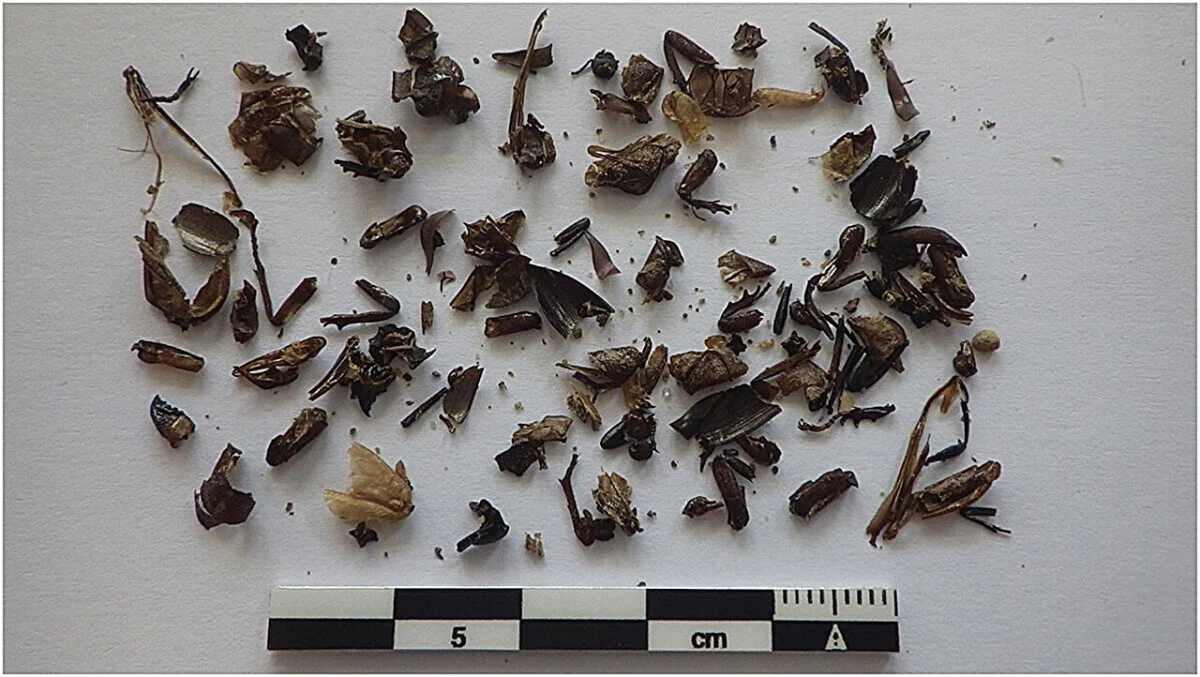
Archaeological evidence shows that humans have eaten insects for thousands of years. Researchers have found traces of insect consumption in ancient human waste, on tools and cooking equipment, and in evidence of insect harvesting and storage.
In North America, discoveries show that people ate beetles, grasshoppers and other insects in the past. Evidence from Australia suggests moths were ground into food and cooked around 2,000 years ago.
Insects remain an important part of traditional diets in parts of Asia, Latin America and Africa. For example, grasshoppers are eaten in Mexico and countries including Uganda.
Lisa-Marie Shillito from Durham University's Department of Archaeology said that while edible insects are often discussed as a food of the future, they are already part of a long culinary heritage for many people. Shillito said that if people do not think of insects as food, they can overlook evidence that people ate them.
Insect farming can use less land and produce lower greenhouse gas emissions per unit of edible protein than many conventional livestock systems, depending on the species and how they are raised.
Recognising insects as part of humanity's food heritage could help people think differently about alternative proteins. Researchers hope this understanding can encourage more diverse and resilient food systems.
Key facts
- Insects have been part of human diets for thousands of years.
- Archaeological evidence includes insect remains in ancient human waste and on cooking equipment.
- Insect farming can produce lower greenhouse gas emissions per unit of edible protein than some conventional livestock systems.
Three perspectives
Neutral
Archaeological evidence from around the world shows that humans have consumed insects for thousands of years.
Positive
Insect farming can offer environmental benefits by using less land and producing lower greenhouse gas emissions per unit of edible protein.
Negative
In many Western societies, insects are often viewed with disgust despite their long history as a food source.
Your week in news, every Wednesday
The biggest stories of the week for your edition, in your inbox every Wednesday morning, your time. Free, and you can unsubscribe at any time.