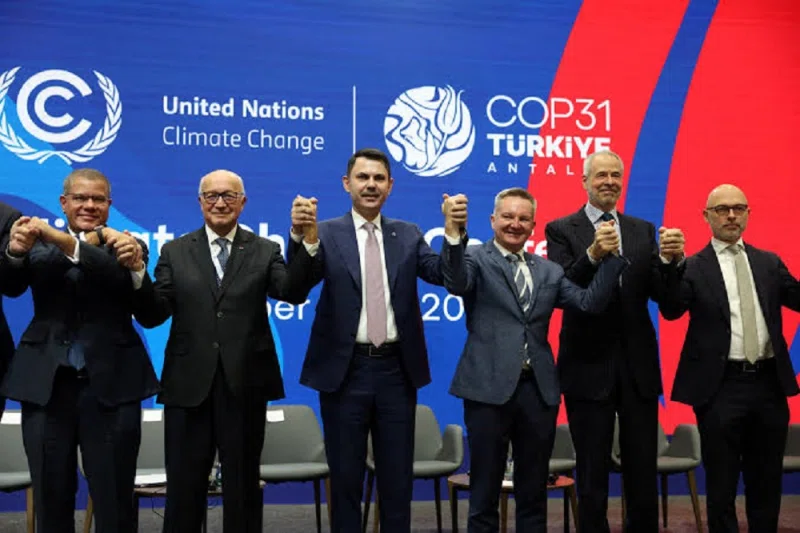
Strong El Niño fuels global crises and heightens Cop31 funding debates
A record-breaking El Niño is expected to peak in December, threatening food security for millions and driving displacement in East Africa.
 Climate Desk 2 min read
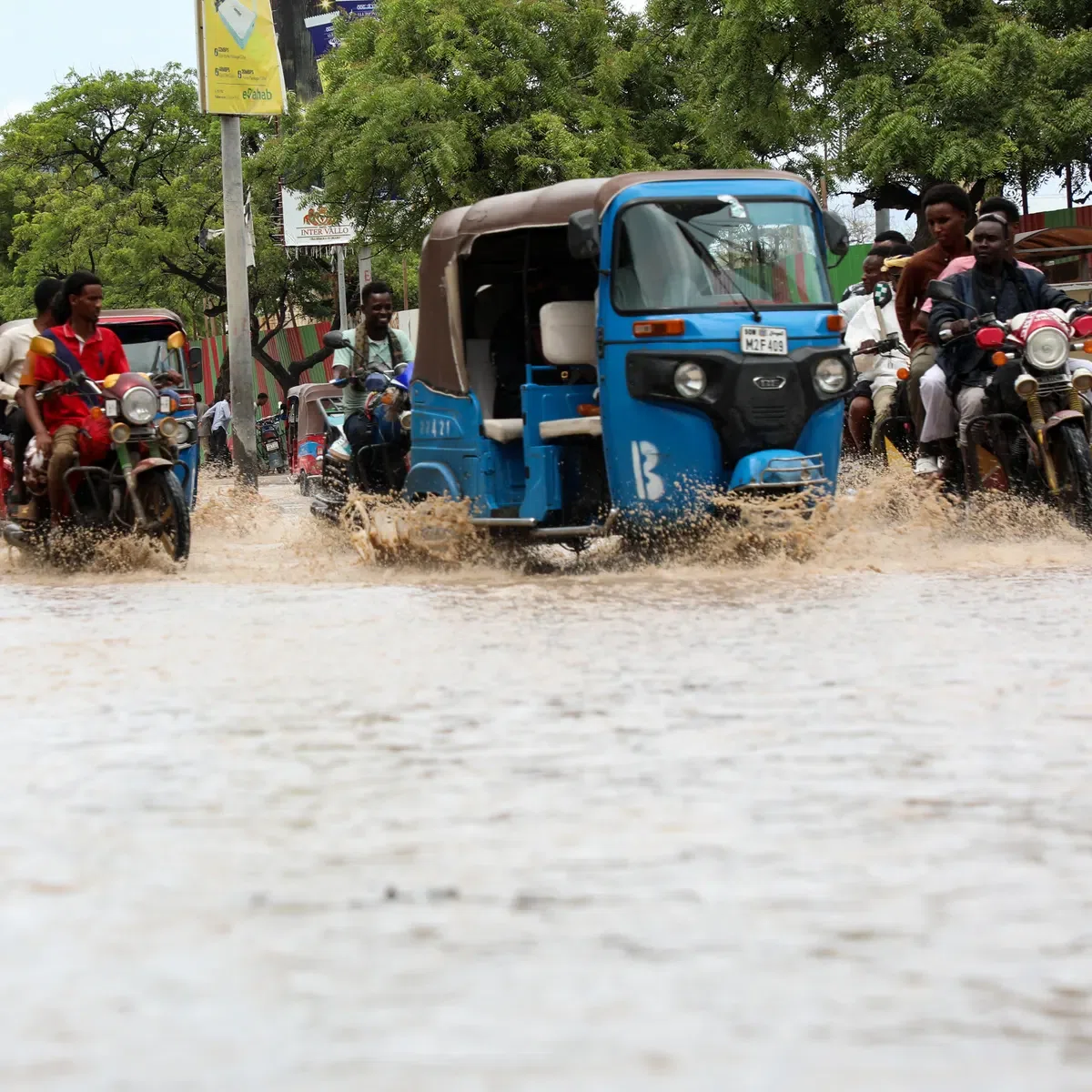
A powerful El Niño event is intensifying global weather disruptions and adding pressure to climate funding negotiations at the Cop31 summit. The phenomenon is expected to peak in December and could contribute to the hottest year ever recorded. Experts warn the event will act as a risk multiplier, supercharging weather patterns and potentially causing more humanitarian disasters related to water, food, and drought.
In Kenya, maize production has already fallen by 40%, reducing the country's ability to support refugees. UN officials expressed particular concern regarding the exacerbated drought in East Africa.
Global food security is also under threat, with the United Nations forecasting that the 2026-2027 El Niño could drive an additional 49 million people into acute hunger. Supplies of staples like corn and rice, along with commodities such as coffee, cocoa, and palm oil, are expected to decrease significantly. In Colombia, coffee harvest losses have reached approximately 20-30% so far this year.
Climate envoy for the Marshall Islands Kathy Jetn̄il-Kijiner said the situation is a compounding crisis where drought occurs alongside rising sea levels. She noted that wealthy nations are failing to provide the necessary climate finance, despite agreements to triple adaptation funding for vulnerable countries.
Climate scientist Bill Hare said the situation will feel like accelerated global warming. Mohamed Adow, founder of Power Shift Africa, stated that people living with the crisis cannot wait for diplomatic promises and require resources on the ground.
Key facts
- The El Niño is expected to peak in December and may lead to the hottest year on record.
- The 2026-2027 El Niño could push 49 million more people into acute hunger.
- Wealthy nations are providing only a fraction of the $305bn needed annually for climate adaptation by 2035.
Three perspectives
Neutral
A strong El Niño is causing extreme weather patterns, including droughts and floods, across multiple continents.
Positive
Wealthy countries previously agreed to triple adaptation finance for poorer nations most vulnerable to climate impacts.
Negative
The shortfall in climate finance and the intensity of El Niño are expected to drive mass hunger and displacement.
Your week in news, every Wednesday
The biggest stories of the week for your edition, in your inbox every Wednesday morning, your time. Free, and you can unsubscribe at any time.