

Eswatini Senator urges Botswana to adopt blended electoral approach
Dr Linda Nxumalo suggested Botswana use measures like reserved seats or quotas to improve women's representation in Parliament.
 World Desk 2 min read
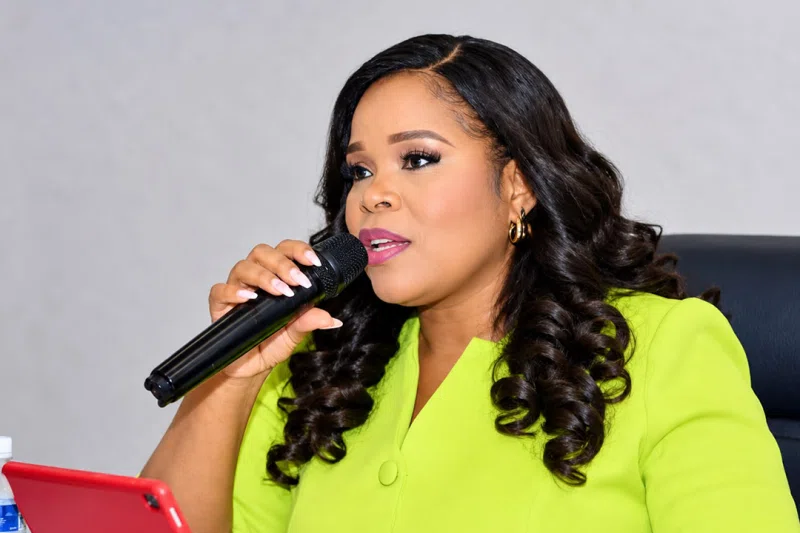
Eswatini Senator Dr Linda Nxumalo has urged Botswana to consider a blended electoral approach that preserves constituency-based elections while introducing measures to ensure women are fairly represented in Parliament. Dr Nxumalo, Chairperson of the SADC Parliamentary Forum’s Regional Women’s Parliamentary Caucus (RWPC), made the call during a SADC Parliamentary Forum (SADC PF) Lobbying and Advocacy Mission to Botswana held from October 18 to 23, 2026.
The mission sought to accelerate the ratification, domestication and implementation of the Revised SADC Protocol on Gender and Development. The delegation was led by SADC PF Vice President Hon. Sylvia Lucas-Izaks and included former Inter-Parliamentary Union President Dr Tulia Ackson and Senator Nxumalo. Botswana has the lowest proportion of women parliamentarians in the SADC region, with women accounting for just 8.6% of parliamentarians in 2025, down from 9.9% in 2024.
Speaker of the National Assembly Dithapelo Keorapetse revealed that only six women currently serve in Botswana’s National Assembly, four of whom are Cabinet members. In comparison, South Africa leads the region with 43% women’s representation, while Eswatini stands at 28%. Senator Nxumalo presented Eswatini’s constitutional framework as a practical reference point, noting that the Kingdom combines the first-past-the-post electoral system with provisions to strengthen women’s representation.
The Constitution also provides that at least half of the members of the House of Assembly nominated by His Majesty the King must be women, and at least half of the senators elected by the House of Assembly must be women.
Senator Nxumalo suggested possible measures for Botswana could include regional representation mechanisms, reserved seats, enforceable gender quotas or party-list requirements. She stated that advancing women’s representation involves ensuring women have a meaningful opportunity to shape legislation, hold governments accountable and influence public policy. Speaker Keorapetse expressed hope that Botswana’s ongoing constitutional review would address the persistent underrepresentation of women in Parliament.
The delegation also met with Botswana President Advocate Duma Gideon Boko, who called for practical interventions that go beyond quotas. The development of a national implementation roadmap is expected to be one of the key outcomes of the mission.
Key facts
- Botswana's women parliamentarians accounted for 8.6% in 2025, down from 9.9% in 2024.
- Eswatini's Constitution allows for up to four additional women to be elected to the House of Assembly on a regional basis if women constitute less than 30% of Parliament.
- Only six women currently serve in Botswana's National Assembly.
Three perspectives
Neutral
Senator Dr Linda Nxumalo presented Eswatini's constitutional framework to Botswana during a SADC Parliamentary Forum mission to discuss women's political representation.
Positive
Speaker Keorapetse expressed hope that Botswana's ongoing constitutional review would address the underrepresentation of women in Parliament.
Negative
Botswana has the lowest proportion of women parliamentarians in the SADC region, with representation dropping to 8.6% in 2025.
Your week in news, every Wednesday
The biggest stories of the week for your edition, in your inbox every Wednesday morning, your time. Free, and you can unsubscribe at any time.