

Supreme Court dismisses Zweli Dlamini's bail appeal
The apex court upheld the decision to deny bail to the businessman due to the seriousness of charges and the risk of him fleeing to South Africa.
 Crime & Justice Desk 2 min read
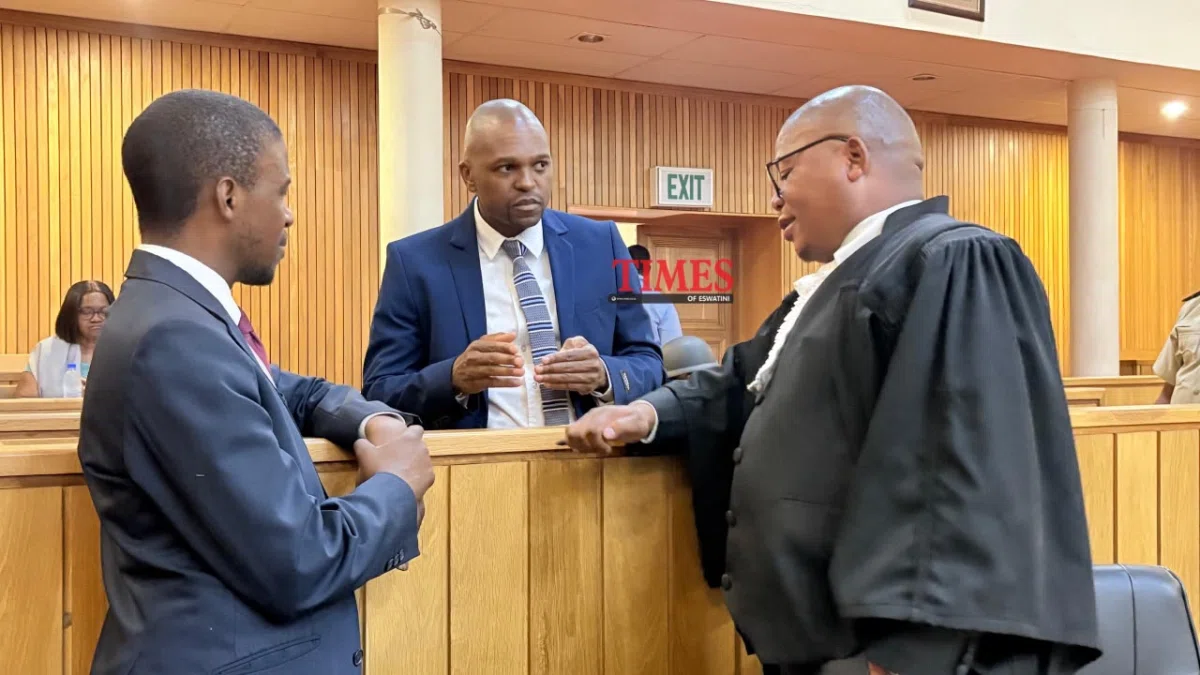
The Supreme Court has dismissed an appeal by businessman and political activist Zweli Dlamini against the High Court's refusal to grant him bail. The apex court upheld the decision to deny bail in a case involving charges under the Arms and Ammunition Act of 1964, the Explosives Act of 1961 and the Suppression of Terrorism Act of 2008.
Dlamini, a member of PUDEMO, is accused of being involved in a plot to destabilise the Incwala Ceremony last year. The charges followed surveillance by the Royal Eswatini Police Service concerning an alleged suspected plot to disrupt the ceremony.
The allegations include the possession of a military green M26 high-explosive grenade, a 9mm Glock semi-automatic pistol and various rounds of ammunition. The items listed included a Glock pistol with 15 rounds of live ammunition, an additional 15 rounds of 9mm ammunition, a 5.56 calibre magazine containing 20 live rounds, 26 rounds of 38mm ammunition, 23 rounds of 9mm ammunition and 15 rounds of 9 x 19mm ammunition.
The Supreme Court, comprising Judge Margriet van der Walt, Judge Stanley Maphalala and Judge Jacobus Annandale, cited Dlamini's dual Eswatini and South African citizenship and his business interests in both countries as reasons for the decision. The court found a risk that he could evade trial by crossing into South Africa through informal border crossings.
Dlamini disputed aspects of the allegations, claiming he had been tortured and that the pointing out of the items at his residence had not been done freely or voluntarily. He also stated he held a South African firearm licence for the Glock pistol and believed the grenade was a dummy device. The Crown disputed the grenade claim, stating a preliminary forensic assessment indicated it was a live high-explosive fragmentation grenade.
Dlamini also argued that his health should have been considered, maintaining that necessary treatment was not adequately available at the correctional facility. The Supreme Court noted that Dlamini had not attached medical documentation or an independent affidavit supporting these claims.
Key facts
- The Supreme Court dismissed Zweli Dlamini's appeal against the refusal of bail.
- Dlamini faces charges under the Arms and Ammunition Act of 1964, the Explosives Act of 1961 and the Suppression of Terrorism Act of 2008.
- The court cited Dlamini's dual citizenship and business interests in both Eswatini and South Africa as factors in the decision.
Three perspectives
Neutral
The Supreme Court upheld the High Court's decision to deny bail to Zweli Dlamini, citing the seriousness of the charges and the risk of him fleeing to South Africa.
Positive
The Supreme Court's decision follows an investigation by the Royal Eswatini Police Service into an alleged plot to disrupt the Incwala Ceremony.
Negative
Dlamini alleged that he had been tortured and that the pointing out of the items at his residence was not done freely or voluntarily.
Your week in news, every Wednesday
The biggest stories of the week for your edition, in your inbox every Wednesday morning, your time. Free, and you can unsubscribe at any time.