

 United Kingdom
Energy price cap expected to rise 26% in January
Ofgem is expected to confirm a hike in energy costs as inflation forecasts rise and a cold winter looms.
 Cost of Living Desk 2 min read
The Bank of England says inflation could reach 5% next year. Inflation rose to 3.5% in September 2026, while core CPI increased from 2.6% in August to 2.8%.
To control inflation, the Bank of England increased the Bank Rate to 4%, the first increase since August 2023. Financial markets predict three quarter-point increases next year, which could add to the financial squeeze for households. The first increase could occur as early as next month.
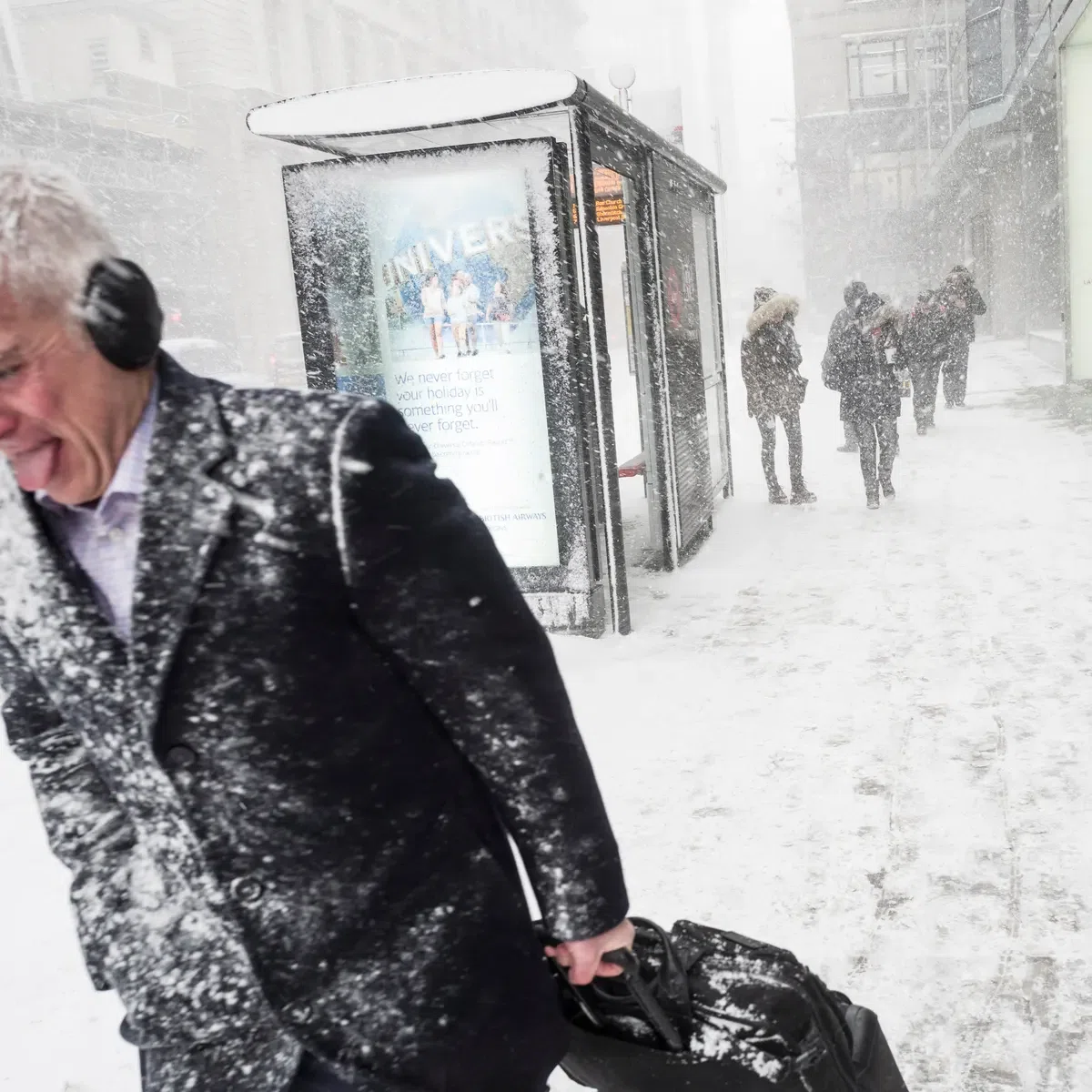
Low-income households face significant risks as the country enters the coldest months of the year. Forecasts of a very cold January, influenced by El Niño, have led to predictions of snowstorms similar to the 2018 'beast from the east'. Regional disparities mean towns in the north of England, the Midlands, and Wales are particularly exposed.
In response to the cost of living, the government has introduced a £150 warm homes discount for the poorest households alongside a universal VAT cut to electricity bills. However, charities have warned that the government's limited ambition and targeting may fail to meet the current need.
Key facts
- Ofgem is expected to confirm a 26% energy price cap increase from January, bringing typical annual bills to £2,166.
- The Bank of England expects inflation to potentially hit 5% next year.
- The Bank Rate was increased to 4% to control inflation.
Three perspectives
Neutral
The energy price cap is expected to rise by 26% in January, while inflation forecasts remain uncertain.
Positive
The poorest households will receive a £150 warm homes discount and a universal VAT cut on electricity bills.
Negative
Rising energy costs and predicted cold weather in January pose risks to low-income families.
Your week in news, every Wednesday
The biggest stories of the week for your edition, in your inbox every Wednesday morning, your time. Free, and you can unsubscribe at any time.