

Indonesia Revives Peatland Agency
The new agency will have greater powers to manage permits and conserve fragile ecosystems, amid the country's worst wildfires in years. Experts welcome the move, but say more work is needed to stop forest fires.
 Global Newsflix 2 min read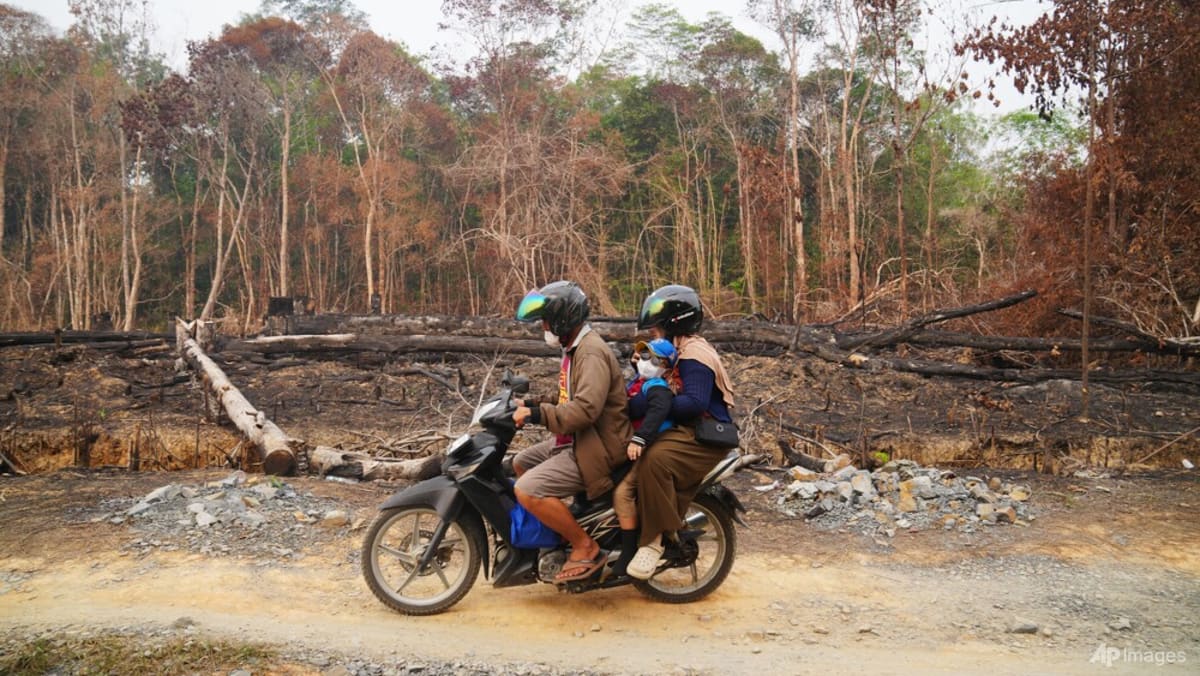
Indonesia is reviving a dedicated peatland and mangrove agency to tackle the country's worst wildfires in years. The new National Peatland and Mangrove Management Agency will report directly to President Prabowo Subianto.
The agency will have powers to manage permits and determine which areas are suitable for agriculture and which should be preserved for conservation. This is a significant expansion of its predecessor's powers, which were more restorative and preventative in nature.
Bambang Hero Saharjo, a professor in environmental sciences, said the proposal to establish a peatland and mangrove management agency is a good one. He noted that peatlands and mangroves hold significant carbon reserves, and mismanaging them could have serious consequences.
The agency will focus on preventing fires and restoring degraded peatlands, particularly in six provinces: Jambi, South Sumatra, West Kalimantan, Central Kalimantan, and South Kalimantan.
Experts stress the importance of political will, local community involvement, real-time monitoring, and regional cooperation to ensure successful peatland protection and restoration efforts.
The establishment of the agency comes as haze from Indonesia's fires has reached Singapore, causing respiratory illnesses in Indonesia and across the region.
President Prabowo Subianto ordered the establishment of the agency on September 24, following a meeting with scientists and senior government officials to discuss peatland management and forest and land fire prevention.
Key facts
- The new National Peatland and Mangrove Management Agency will report directly to President Prabowo Subianto.
- The agency will have powers to manage permits and determine which areas are suitable for agriculture and conservation.
- The agency will focus on preventing fires and restoring degraded peatlands in six provinces.
- Experts stress the importance of political will and local community involvement in peatland protection and restoration efforts.
Three perspectives
Neutral
The establishment of the agency is a significant step towards addressing Indonesia's wildfire problem, but its success will depend on various factors, including political will and community involvement. The agency's effectiveness will be closely watched by environmental experts and regional neighbors. Further developments on the agency's progress and impact are expected in the coming months.
Positive
The revival of the peatland agency is a welcome move, as it acknowledges the importance of protecting these fragile ecosystems. The agency's expanded powers and focus on prevention and restoration are significant improvements over its predecessor. With the right support and resources, the agency can make a positive impact on Indonesia's environment and public health.
Negative
The establishment of the agency may not be enough to address the scale and complexity of Indonesia's wildfire problem. The agency's success will depend on its ability to regulate company concessions effectively and prevent deliberate burning, which has been a major contributor to the problem. Critics may argue that the agency's powers are still limited, and more needs to be done to address the root causes of the problem.
Your week in news, every Wednesday
The biggest stories of the week for your edition, in your inbox every Wednesday morning, your time. Free, and you can unsubscribe at any time.