

Farmers in Zambia and Zimbabwe use agroecology to prepare for El Nino drought
Farmers are adopting sustainable techniques like intercropping and drought-resistant seeds to protect livelihoods as El Nino threatens southern Africa with extreme heat and drought.
 Climate Desk 2 min read
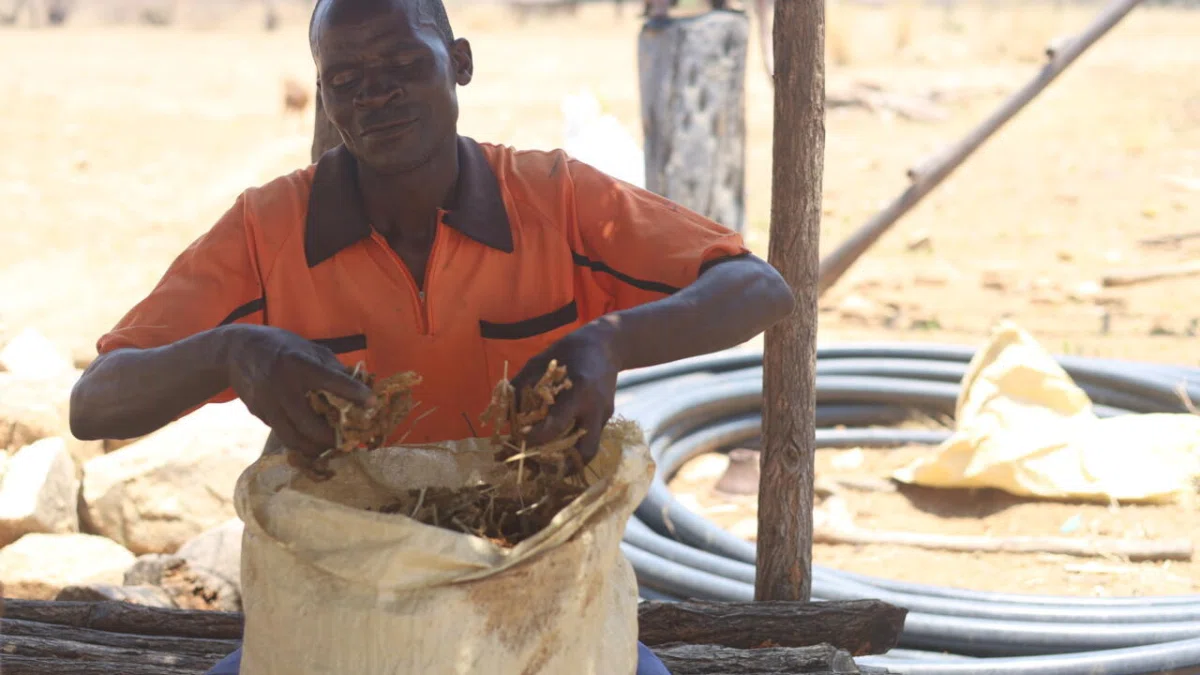
Farmers in Zambia and Zimbabwe are using agroecology to prepare for an anticipated drought. The El Nino climate pattern is strengthening in the Pacific Ocean, raising the prospect of extreme heat, floods, and drought. Forecasters predict El Nino will peak around late 2026 and continue until at least February next year.
In Zambia's Western Province, Nswau Kufanga grows a local maize seed variety known as kafwamba, which is drought-resistant. This early maturity variety does not need much water and matures in a few months compared to other varieties. Kufanga also grows cassava, groundnuts, millet, and sorghum, uses intercropping, and uses kitchen ashes to control pests.
Benjamin Mtembo of Zambia's Ministry of Agriculture said that harvests from 14 villages under his jurisdiction in Sesheke show that farmers see better harvests with agroecology during a drought. Nswau Kufanga's maize harvest during a previous drought was still slightly above a tonne, providing enough food for her four children until the next harvest. She also had an excess of maize that she sold to neighbours during the 2025 dry season.
In Zimbabwe, farmer Dudzai Matsapa uses the potholes technique to capture water and concentrate organic matter. He digs shallow pits and fills them with organic manure made from composted cow dung and dried grass. Matsapa has also embraced zero tillage and planted drought-resistant crops including short-term varieties of maize, groundnuts, sunflower, sorghum, and millet.
Netsai Dodzo, from the same village as Matsapa, uses intercropping and makes bio-chemicals from garlic, chilli, and other plants to control pests instead of manmade pesticides. Both Dodzo and Matsapa have reported a decline of 50 percent in harvests during droughts, but this is still enough to feed their families.
Faides TembaTemba, executive director of ActionAid Zambia, said Zambia needs to move from recognising sustainable agriculture in policy to actively financing agroecology as a national priority. She said Zambia must integrate agroecology into climate and development plans.
Key facts
- El Nino is expected to peak around late 2026 and continue until at least February next year.
- Nswau Kufanga in Sesheke grows drought-resistant kafwamba maize, cassava, groundnuts, millet, and sorghum.
- ActionAid reported that rotating legumes with cereals across Sub-Saharan Africa can lead to a 41 percent average rise in cereal yields.
Three perspectives
Neutral
Farmers in Zambia and Zimbabwe are adopting agroecology techniques to mitigate the impact of the anticipated El Nino drought.
Positive
Nswau Kufanga was able to sell excess maize to neighbours during the 2025 dry season due to her drought-resistant crops.
Negative
Droughts have caused Dodzo and Matsapa to report a 50 percent decline in harvests.
Your week in news, every Wednesday
The biggest stories of the week for your edition, in your inbox every Wednesday morning, your time. Free, and you can unsubscribe at any time.