

 Ethiopia
Gulf Oil Transfers Shift
Tanker congestion near Strait of Hormuz prompts alternative routes, with the Gulf of Kutch emerging as a key transfer point. Oil shipments continue despite Iran's claims that the strait is closed.
 Global Newsflix 2 min read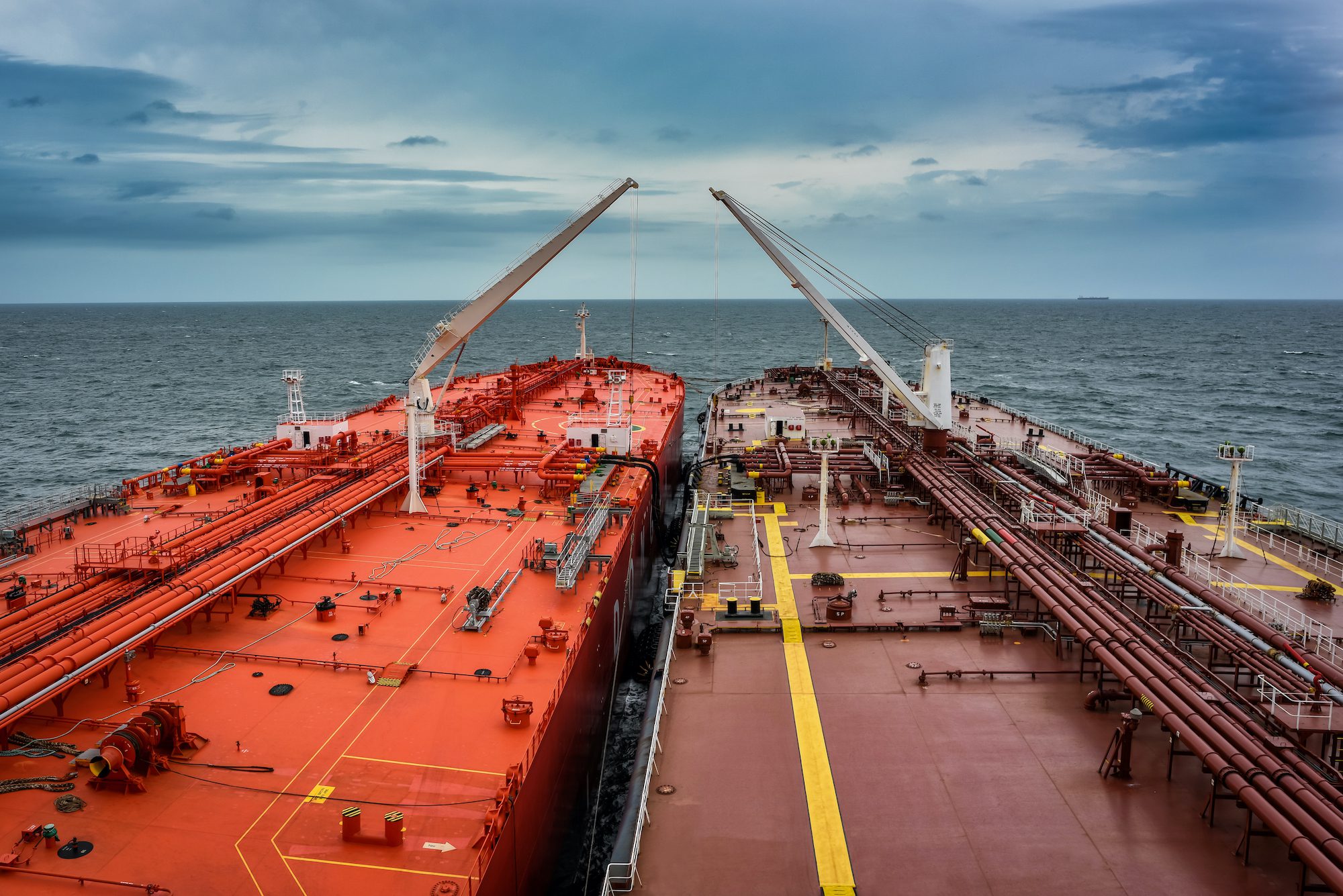
Persian Gulf oil producers are moving critical cargo transfer operations farther away from the war-hit region due to congestion near the Strait of Hormuz. This shift is driving up the cost of hiring supertankers, with daily rates exceeding $1 million.
The Gulf of Kutch, off India's west coast, is becoming an alternative location for transferring Persian Gulf cargoes onto vessels bound for global buyers. Recent data shows two supertankers conducted ship-to-ship transfers in the area, with the receiving vessels now headed to East Asia.
These transfers are the first observed in the region since the Iran war began, signaling a potential new route for oil exports. At least two more very large crude carriers are currently performing similar transfers in the area.
The traditional route through the Strait of Hormuz has become increasingly crowded, with the time to complete a ship-to-ship transfer growing to five or six days. This bottleneck is the main source of shipping delays in the area, according to Emma Li, Vortexa's lead China oil market analyst.
Iranian officials claim the Strait of Hormuz will not reopen until certain conditions are met, but data from Kpler and Windward suggests oil is still moving through the strait. Non-Iranian crude and condensate exports from the Middle East Gulf region averaged 16.5 million barrels per day in September, with 60% of that volume crossing Hormuz.
The continued flow of oil through the strait, despite Iran's claims, highlights the complexity of the situation. Saudi crude exports crossing the strait increased from 0.7 million barrels per day in August to 2.8 million in September, according to Kpler.
The shift in oil transfer operations is also driven by the need to reduce the risk of vessels being attacked while sailing through Hormuz. However, Iranian officials have warned that the war could expand toward the Indian Ocean, potentially impacting these alternative routes.
Key facts
- Gulf of Kutch emerges as alternative transfer point for Persian Gulf oil
- Tanker congestion near Strait of Hormuz drives up supertanker hiring costs
- Oil shipments continue through Strait of Hormuz despite Iran's claims
- Saudi crude exports through Strait of Hormuz increase to 2.8 million barrels per day
Three perspectives
Neutral
The situation in the Strait of Hormuz remains complex, with oil shipments continuing despite Iran's claims that the waterway is closed. The shift in oil transfer operations to alternative routes like the Gulf of Kutch may help reduce the risk of attacks, but the potential for the war to expand toward the Indian Ocean remains a concern.
Positive
The ability of oil producers to adapt to the changing situation and find alternative routes for exports is a positive sign for the global energy market. The continued flow of oil through the Strait of Hormuz, despite challenges, helps maintain stability in the market.
Negative
The ongoing conflict and congestion near the Strait of Hormuz are driving up costs and creating uncertainty in the global energy market. The potential for the war to expand toward the Indian Ocean poses a significant risk to oil shipments and global economic stability.
Your week in news, every Wednesday
The biggest stories of the week for your edition, in your inbox every Wednesday morning, your time. Free, and you can unsubscribe at any time.