

 Ethiopia
Ethiopia Forms New Govt
Abiy Ahmed reappointed PM amid security challenges, vows to sustain socioeconomic development and ensure national security. The new government will implement various initiatives to strengthen comprehensive national reforms and improve public institutions.
 Global Newsflix 2 min read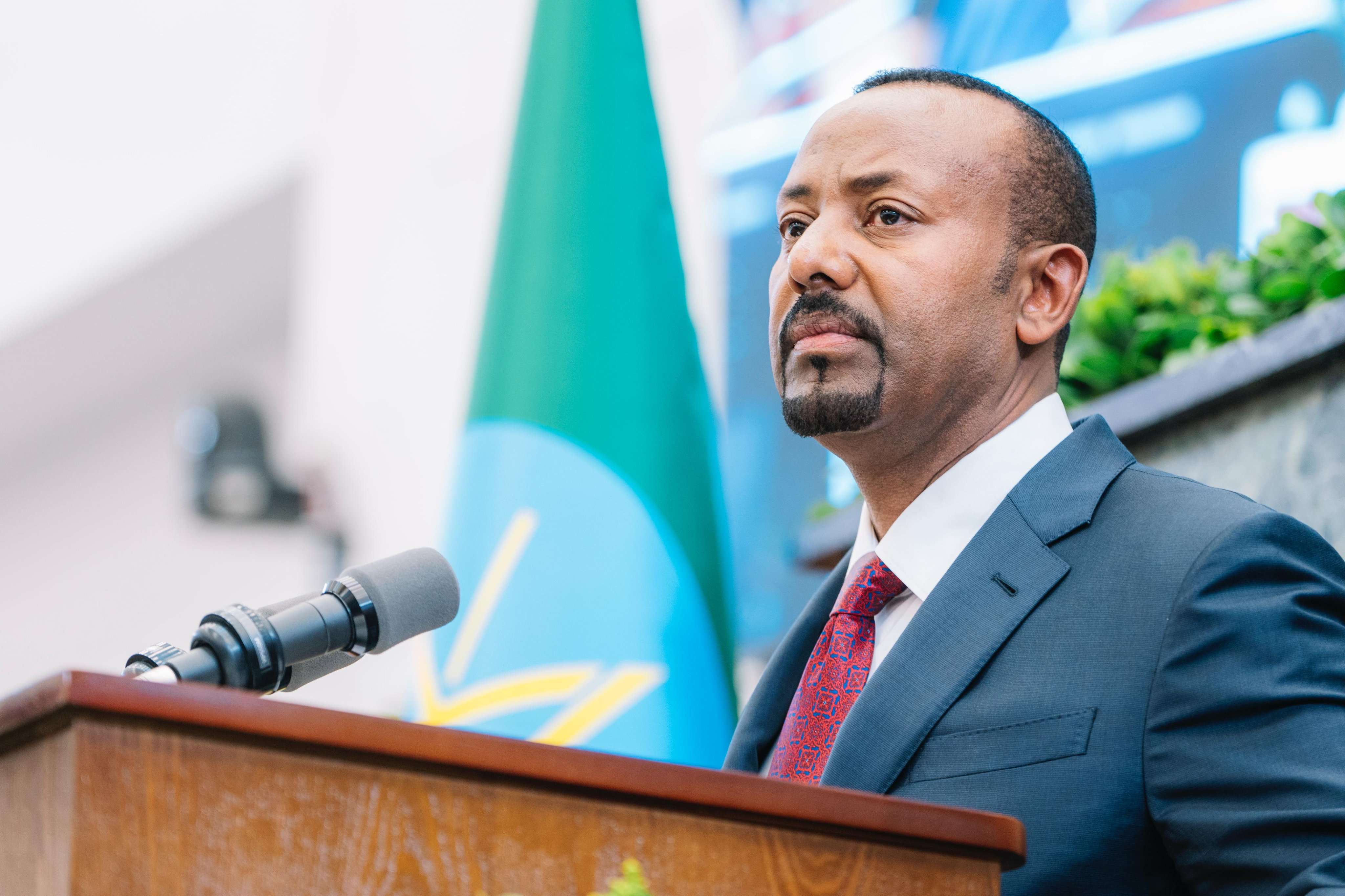
The Ethiopian House of Peoples' Representatives formally established the country's new federal government on Monday, reappointing Abiy Ahmed as Prime Minister for another term.
The ruling Prosperity Party won a landslide victory in the June 1 general elections, securing 438 of the 486 contested seats in the House of Peoples' Representatives.
Abiy Ahmed presented key social, economic, and political directions his administration will pursue over the next five years, including sustaining socioeconomic development, ensuring national security and stability, and fostering national reconciliation.
The government will implement initiatives to strengthen comprehensive national reforms, improve public institutions, and promote green development, digital transformation, and integrated urban development.
The new government's formation follows regional council formations across the country, with regional states constituting their respective governments and electing chief administrators.
The Ethiopian National Dialogue Commission handed over its consolidated agenda items and recommendations to the House of Peoples' Representatives, marking a significant shift from nationwide deliberation to institutional consideration and implementation.
The commission's recommendations aim to address longstanding political and social questions, with the incoming administration expected to translate the electoral mandate into functioning institutions, policies, and national priorities.
Key facts
- Abiy Ahmed reappointed as Prime Minister for another term
- Prosperity Party won 438 of 486 contested seats in the House of Peoples' Representatives
- New government to implement initiatives to strengthen national reforms and improve public institutions
- Ethiopian National Dialogue Commission handed over recommendations to the House of Peoples' Representatives
Three perspectives
Neutral
The formation of the new government marks a significant development in Ethiopia's political landscape, with the administration facing challenges in addressing security concerns and implementing national reforms. The implementation of the National Dialogue Commission's recommendations will be crucial in addressing longstanding political and social questions.
Positive
The reappointment of Abiy Ahmed as Prime Minister provides continuity and stability, allowing the government to build on existing initiatives and pursue new ones. The implementation of comprehensive national reforms and improvement of public institutions can lead to significant socioeconomic development and improved living standards.
Negative
The new government faces significant challenges in addressing security concerns, with ongoing conflicts in various regions. The administration must also ensure that the implementation of national reforms is inclusive and effective, addressing the needs of all citizens and avoiding the perception of a distant and unresponsive government.
Your week in news, every Wednesday
The biggest stories of the week for your edition, in your inbox every Wednesday morning, your time. Free, and you can unsubscribe at any time.