Bhutan engages industry to prevent childhood lead exposure
More than 100 manufacturing representatives joined a programme to reduce lead poisoning risks in Thimphu.
 Health Desk 2 min read
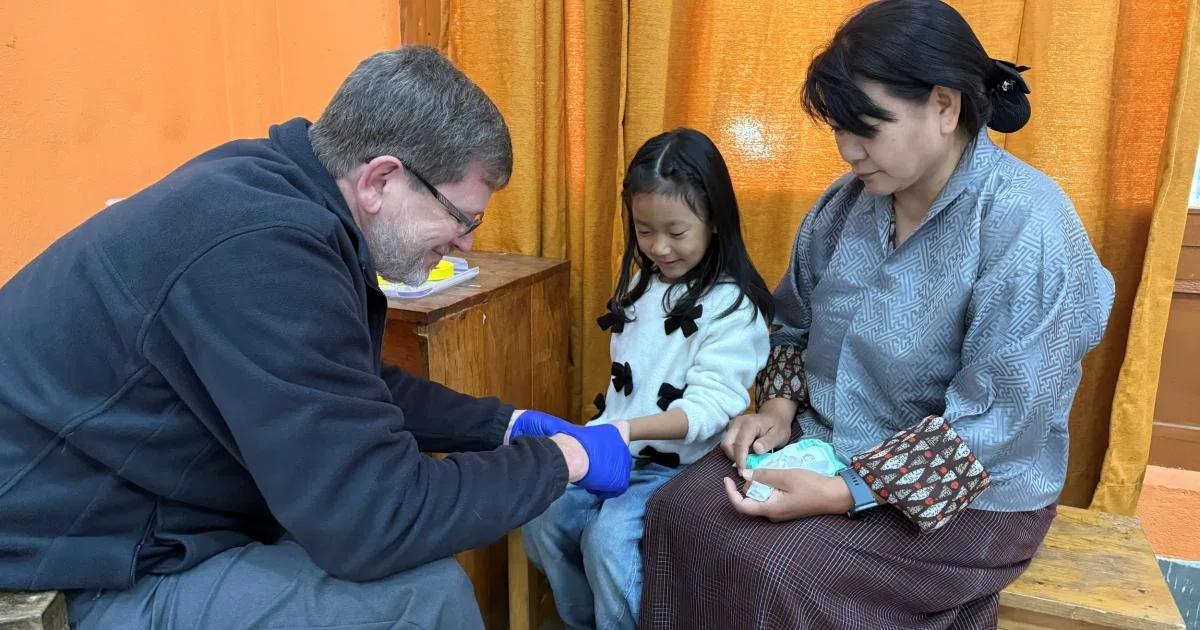
More than 100 representatives from manufacturing and industrial enterprises participated in a lead poisoning prevention programme in Thimphu on 23 October 2026. The participants represented small and medium-sized enterprises from the Bjemina Industrial Estate that produce bricks, furniture, fabricated products, windows, and glass items. This was the first time representatives from these industries were engaged in lead poisoning prevention efforts.
The Ministry of Health and UNICEF Bhutan organised the event under the theme “From detection to prevention” as part of International Lead Poisoning Prevention Week. Participants discussed practical ways to reduce exposure at home and in the workplace, including the safety of commonly used cookware. During the event, work equipment and personal jewellery were tested for lead content, and all tested items were found to be lead-free.
Kinley Zam, a resident of Gidakom, shared that her five-year-old daughter’s blood lead level dropped from 31 µg/dL to 4.8 µg/dL within seven months after she removed items containing lead from the home and focused on hand hygiene and diet. Health Minister Tandin Wangchuk said that by identifying sources of lead in homes and environments, the country can move from detection to prevention.
Bhutan's first National Blood Lead Level Survey in 2024 found that 76 per cent of young children had unsafe blood lead levels. Elevated levels were also detected among women and children living in monastic institutions. Lead is a highly toxic substance that can cause irreversible harm to children's developing brains and nervous systems.
The National Lead Poisoning Prevention Strategy has been endorsed by the Office of the Prime Minister, while a framework for the prevention and control of lead exposure awaits Cabinet approval. Clinical guidelines for managing lead poisoning are being finalised. Once endorsed, chelation therapy will be introduced at the Jigme Dorji Wangchuck National Referral Hospital to treat individuals with elevated blood lead levels.
Key facts
- A 2024 survey found 76 per cent of young children in Bhutan had unsafe blood lead levels.
- More than 100 industry representatives from the Bjemina Industrial Estate attended a prevention programme on 23 October 2026.
- The National Lead Poisoning Prevention Strategy has been endorsed by the Office of the Prime Minister.
Three perspectives
Neutral
The Ministry of Health and UNICEF Bhutan held a programme for industrial representatives to discuss reducing lead exposure.
Positive
The programme engaged over 100 industry representatives for the first time to strengthen workplace safety and protect children.
Negative
A 2024 survey revealed that 76 per cent of young children in Bhutan had unsafe blood lead levels.
Your week in news, every Wednesday
The biggest stories of the week for your edition, in your inbox every Wednesday morning, your time. Free, and you can unsubscribe at any time.