

 United States
Antarctic ozone hole ranks seventh largest in 48 years
The hole reached 10.5 million square miles on Sept. 18, driven by an unusually strong polar vortex, though scientists say the ozone layer is still on track for long-term recovery.
 Climate Desk 2 min read
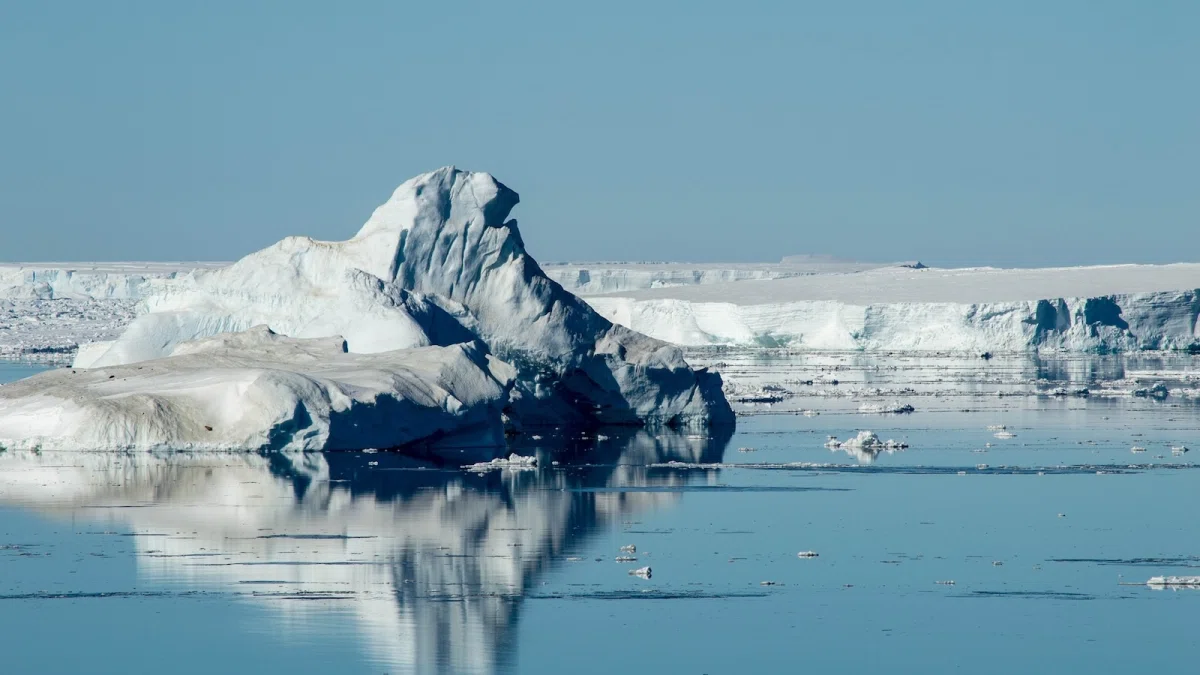
The 2026 Antarctic ozone hole reached its greatest extent on Sept. 18, measuring 10.5 million square miles. This size ranks as the seventh largest since monitoring began nearly five decades ago and is the largest in 10 years.
Researchers attribute the enlargement to an unusually strong and long-lived polar vortex that kept frigid air locked over Antarctica and prolonged ozone destruction. While the hole was large, scientists said it was not as deep as the record holes of past decades.
Paul Newman, who leads NASA's ozone research team at the Goddard Space Flight Center, said the hole has been forming later in the season in recent years, which is a sign that the ozone layer is healing. The hole likely would have been up to 2 million square miles larger without the global phaseout of chlorofluorocarbons.
Ongoing measurements show that the Montreal Protocol, a 1987 agreement to replace ozone-depleting substances, continues to drive recovery. Models still project a mostly healed ozone layer by the 2070s.
Key facts
- The ozone hole measured 10.5 million square miles on Sept. 18.
- The 2026 hole is the seventh largest in 48 years of monitoring.
- An unusually strong polar vortex caused the increased depletion this season.
Three perspectives
Neutral
The Antarctic ozone hole reached 10.5 million square miles on Sept. 18, making it the seventh largest in 48 years.
Positive
The ozone layer is on track for long-term recovery, with models projecting it will be mostly healed by the 2070s.
Negative
An unusually strong and long-lived polar vortex kept frigid air over Antarctica and prolonged ozone destruction this season.
Your week in news, every Wednesday
The biggest stories of the week for your edition, in your inbox every Wednesday morning, your time. Free, and you can unsubscribe at any time.