

Sediment from Greenland Cold War base shows ice-free era 416,000 years ago
Analysis of sediment from the abandoned Camp Century site reveals a past Greenland covered in tundra rather than ice.
 Climate Desk 2 min read
Researchers analyzing sediment from nearly a mile beneath the Greenland ice sheet found evidence that the area was ice-free approximately 416,000 years ago. The samples, which were rediscovered in 2017, contain traces of moss, shrubs, and grasses typical of tundra. Scientists determined the sediment was last exposed to sunlight around that time.
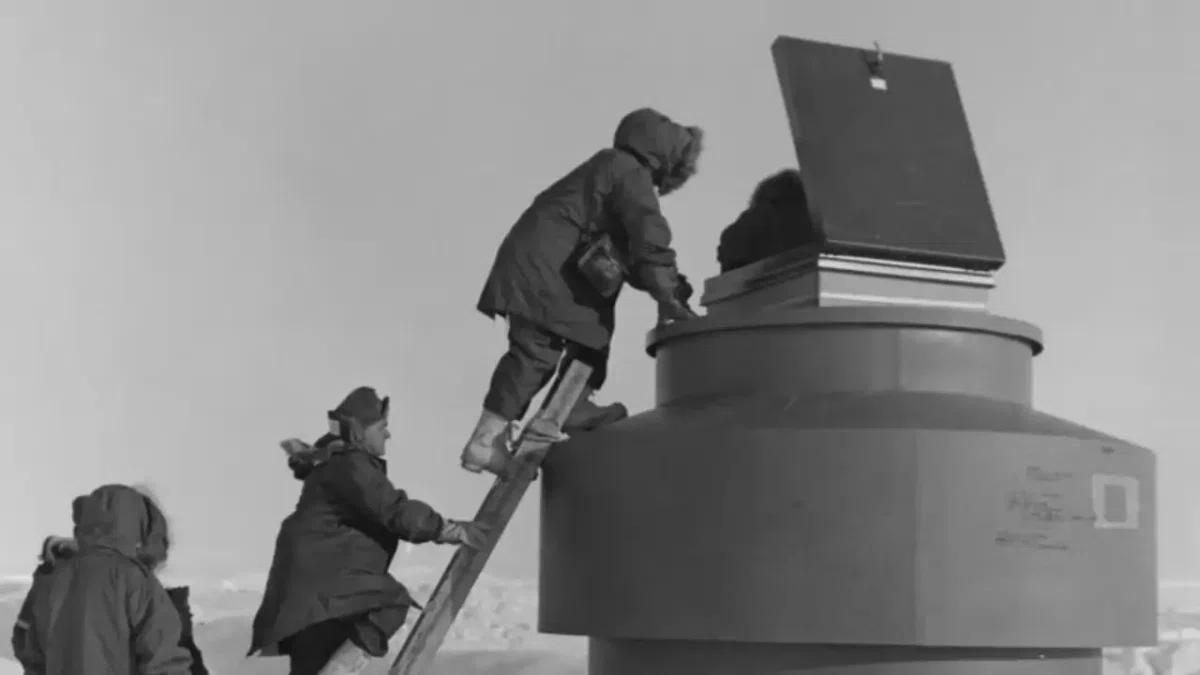
The sediment was originally collected at Camp Century, a Cold War-era military camp built by the US Army Corps of Engineers in 1959. The base was abandoned in 1967. Under a plan called Project Iceworm, the United States intended to use the site to hide a network of nuclear missile launch sites beneath the ice to keep them out of reach of the Soviet Union. The silo network was never built.
The findings suggest that much of the ice sheet vanishes when the climate warms moderately. A study cited in the research indicates that summers during that period were about 4.7°C warmer than today. Researchers noted that the ice likely melted less than 1 million years ago and responded slowly, producing a warm interglacial period that lasted thousands of years.
The research, which was featured in the documentary "The Memory of Darkness, Light, and Ice," highlights that atmospheric carbon dioxide levels are higher today than they were 400,000 years ago. This could mean the ice will melt faster in the current era even if atmospheric temperatures are similar to those of the past.
Key facts
- Sediment from Camp Century shows Greenland was ice-free about 416,000 years ago.
- The US Army built Camp Century in 1959 as part of a plan to hide nuclear missiles.
- Traces of tundra plants like moss and shrubs were found in the sub-ice sediment.
Three perspectives
Neutral
Researchers analyzed sediment recovered from the abandoned Camp Century military base in northwestern Greenland.
Positive
The research provides a glimpse into a much warmer Earth and helps scientists understand how the ice sheet responds to climate changes.
Negative
If the Greenland ice sheet melts, global sea levels could rise by as much as 230 feet.
Your week in news, every Wednesday
The biggest stories of the week for your edition, in your inbox every Wednesday morning, your time. Free, and you can unsubscribe at any time.