Housing costs and job uncertainty drive 'doomspending' in Australia
Young people are turning to affordable, everyday luxuries like matcha as traditional milestones feel out of reach.
 Cost of Living Desk 2 min read
Brand strategist Eugene Healey says 'little treat' culture, where people buy affordable, everyday luxuries like matcha or lunch, has emerged because traditional milestones feel out of reach. He says doomspending is perhaps a more advanced version or symptom of the same underlying feeling. Cambridge dictionary defines doomspending as spending money that you cannot afford to make yourself feel better when people feel anxious and uncertain about the future.
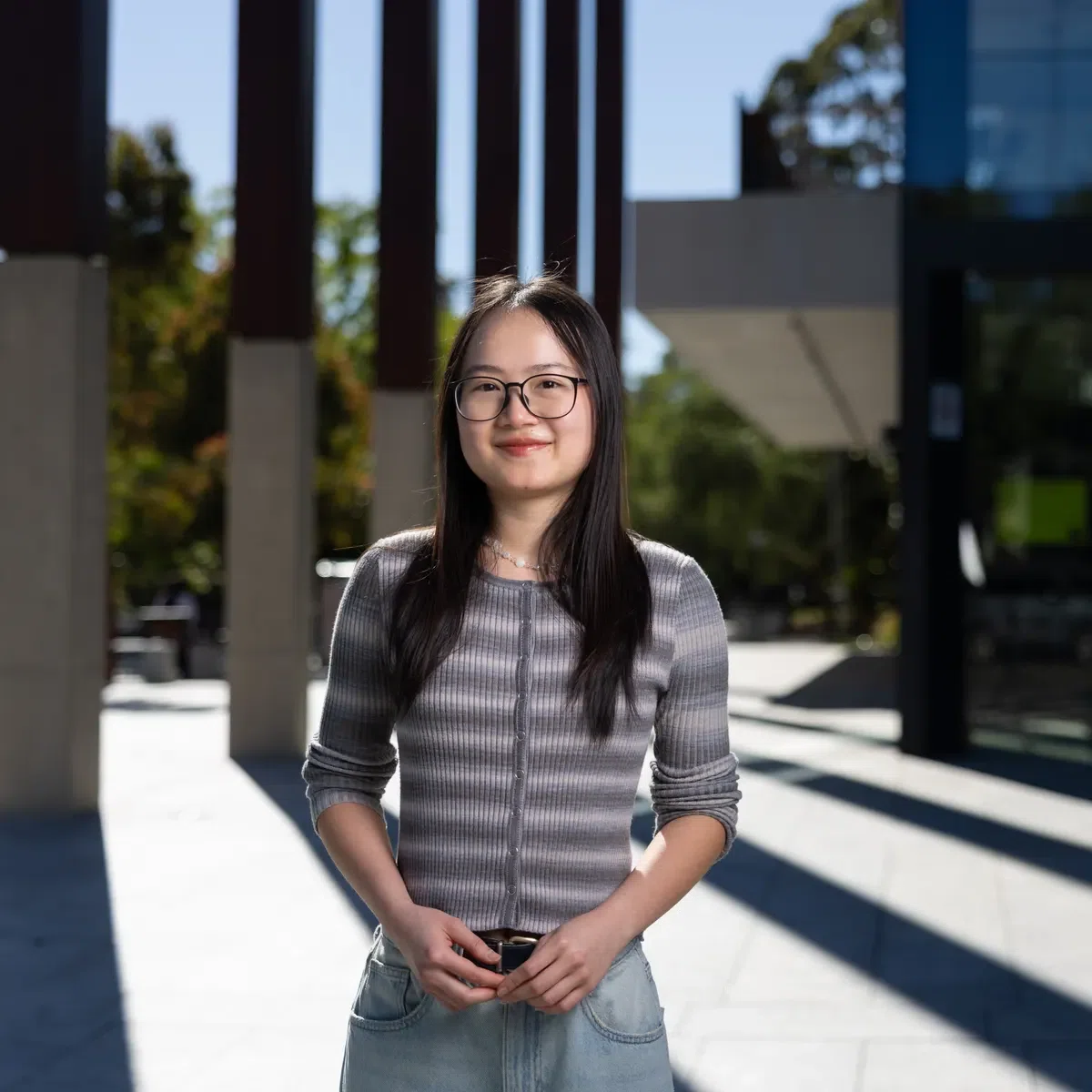
An Tran, a 21-year-old law student in Sydney, says she and her friends spend spare money on matcha, Labubu toys, and trending makeup items. Tran, who moved from Vietnam two years ago, says she appreciates what she has in Australia but can understand why young people are concerned about the future. She says, “We feel like we’re doomed anyway so why should we save?”
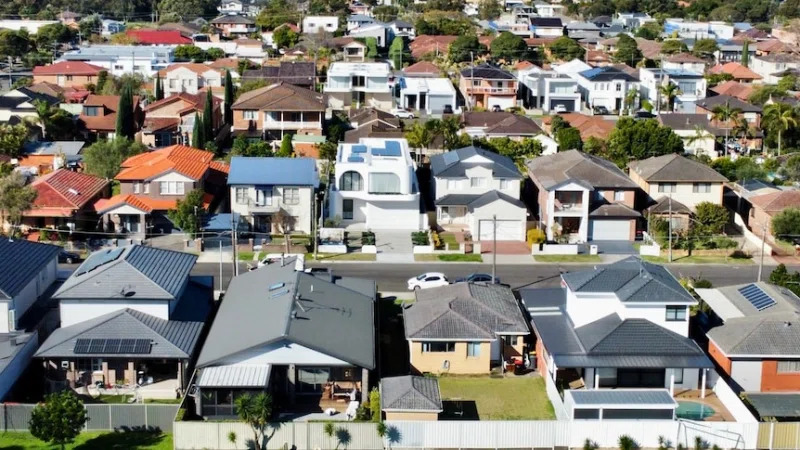
Housing affordability has reached its worst on record, according to the Housing Industry Association, as rising borrowing costs have eclipsed the recent retreat in prices. The average homebuyer nationally needs to save more than eight years for a deposit, and more than nine years in Sydney. A household earning $125,000 a year could only afford 12% of homes for sale across the country, which is a historical low compared to 14% in 2008.
Lower income earners are virtually shut out of the market, as a household earning $76,000 could afford just 2% of homes on the market. Buying an $8 matcha five days a week for 48 weeks works out to $1,920 a year. Even if that money were saved, the median house price in Australia’s capital cities combined is $1,103,201 and the median unit price is $738,778, according to Cotality research published this month.
Kayshini Logeswaran, a 28-year-old business analyst in Sydney, says she has a stable job but saving for things like overseas holidays feels out of reach. She says shifting roles to AI and cost-of-living pressures make her fearful of the future. Logeswaran considers indulging in little treats worth it if they make her feel good in the moment, noting that her favourite coffee keeps her happy and sane.
Key facts
- The median house price in Australia’s capital cities combined is $1,103,201.
- A household earning $76,000 could afford just 2% of homes on the market.
- The average homebuyer nationally needs to save more than eight years for a deposit.
Three perspectives
Neutral
Young people are choosing to spend on immediate luxuries as traditional financial milestones become harder to reach.
Positive
Small daily treats like coffee can help some people feel happy and sane.
Negative
Housing affordability has reached its worst on record as rising borrowing costs eclipse recent price retreats.
Your week in news, every Wednesday
The biggest stories of the week for your edition, in your inbox every Wednesday morning, your time. Free, and you can unsubscribe at any time.