

 Singapore
Debt traps ensnare domestic workers in Singapore
Loansharks and instalment shops drive up repayments and harass employers, according to experts and social service providers.
 Random News Desk 2 min read
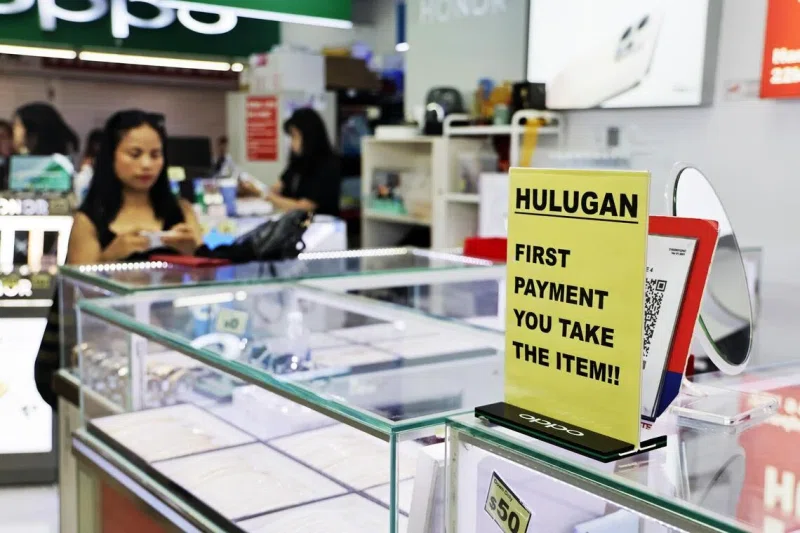
Debt traps ensnare domestic workers in Singapore as loansharks and instalment shops drive up repayments and harass employers. Small loans grow fast, and workers often hide the problem from employers. Experts say the problem is widespread but under-reported.
Mary, a retired kindergarten operator, was threatened after her helper Lucy was linked to a $180 loan that became $1,040. The lenders used Lucy's work permit details and sent messages threatening to go to Mary's house. Mary, who has employed Lucy for four years, was left crying at 3am due to the threats.
For foreign domestic workers who need cash urgently, borrowing can take several forms, including an instalment purchase that can be pawned for money, an informal loan, or a loan from an unlicensed lender. Retail shops have taken the place of licensed moneylenders. At Lucky Plaza, more than 20 jewellery and mobile phone shops advertise hulugan, the Tagalog term for instalment plans.
Billy Lee, executive director of Blessed Grace Social Services, says retail shops target domestic workers because they are good customers who repay due to fear of being sent back. In one case, a 22K gold necklace weighing 2.96g cost $1,320, payable over five months, with each late instalment incurring a $90 charge.
In July 2019, Singapore tightened loan regulations for foreign workers earning less than $10,000 a year, cutting the total amount they could borrow from licensed moneylenders from $1,500 to $500. The Law Ministry said the move was to address social issues arising from these moneylending activities.
Key facts
- A $180 loan linked to a domestic worker ballooned to $1,040.
- More than 20 jewellery and mobile phone shops at Lucky Plaza advertise instalment plans known as hulugan.
- Licensed moneylending limits for foreign workers earning less than $10,000 a year were cut from $1,500 to $500 in July 2019.
Three perspectives
Neutral
Foreign domestic workers may borrow through unlicensed lenders, informal loans, or instalment plans at retail shops.
Positive
Blessed Grace Social Services assists foreign domestic workers in negotiating with creditors.
Negative
Loansharks use work permit details to harass employers and threaten them with physical presence at their homes.
Your week in news, every Wednesday
The biggest stories of the week for your edition, in your inbox every Wednesday morning, your time. Free, and you can unsubscribe at any time.