

The life and cultural legacy of Ambassador Leroy Prince Wadix Charles
Born in Pottersville in 1963, the musician and cultural champion drew inspiration from the fishing community and Caribbean traditions.
 Entertainment Desk 2 min read
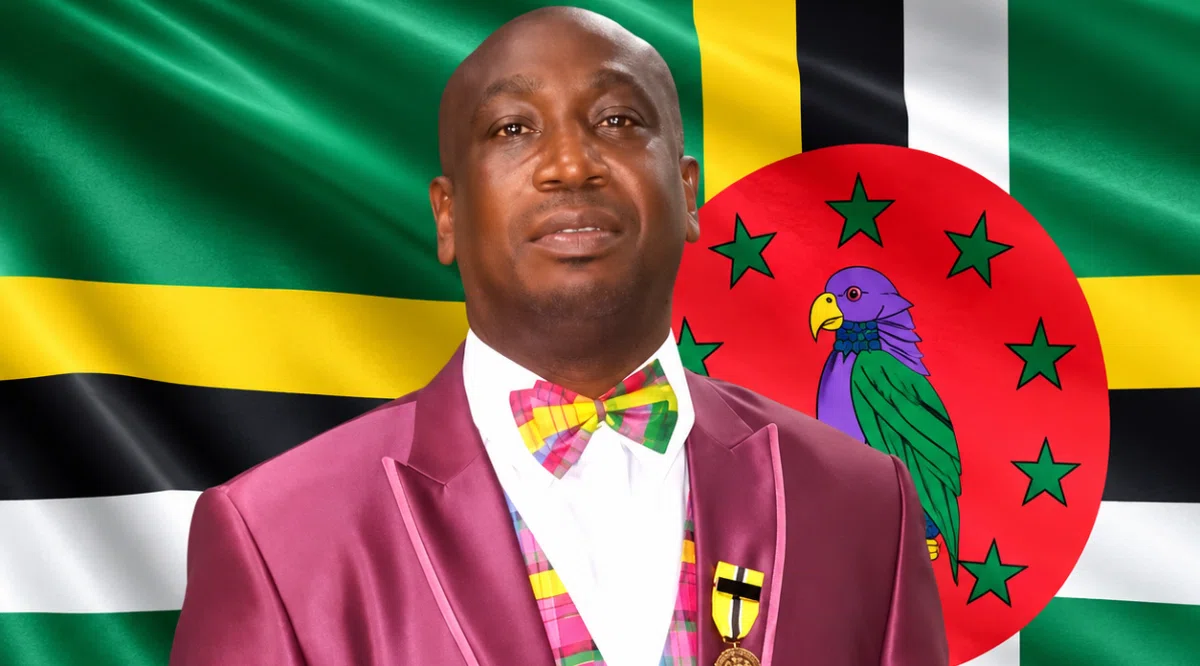
Leroy Charles, known as Ambassador Leroy “Prince Wadix” Charles, is a champion of French Creole music, cultural preservation, and Caribbean unity. Born on May 19, 1963, he grew up in the historic fishing community of Pottersville, which was known to an earlier generation as Balao Town.
His parents were Angelo Charles, known as “Fufu,” and Cecilia Hector. His father was a truck driver who operated a bus service connecting Mahaut, Massacre, and Roseau, often transporting schoolchildren who could not afford fares. His mother was a food vendor who prepared meals for workers at Roseau’s banana facilities, packing sheds, and waterfront establishments.
Charles's musical education began in the streets of Pottersville. He was influenced by lapo kabwit bands and the rhythms of goatskin drums during Carnival practice mas. His grandfather, Mr. Yubi, was a fisherman who traveled to Guadeloupe and Martinique, returning with vinyl recordings that introduced Charles to the music of Haiti and the French Antilles.
The community of Pottersville was shaped by traditions of mutual assistance known as Koudmen. Growing up, Charles was surrounded by the sounds of the Roseau River and the local citrus industry. His grandmother, Georgiana Francis, also known as Ma’Anna, spoke primarily Kwéyòl, weaving the language into his early understanding of family.
Key facts
- Leroy Charles was born on May 19, 1963, in Pottersville.
- He is recognized as Ambassador Leroy “Prince Wadix” Charles, a champion of French Creole music.
- His father, Angelo Charles, operated a bus service between Mahaut, Massacre, and Roseau.
Three perspectives
Neutral
Leroy Charles grew up in the Pottersville fishing community during a period of cultural and political transformation in Dominica.
Positive
Charles became a distinguished champion of French Creole music and Caribbean unity.
Negative
The society in which he grew up was still burdened by colonial inequalities of class and color.
Your week in news, every Wednesday
The biggest stories of the week for your edition, in your inbox every Wednesday morning, your time. Free, and you can unsubscribe at any time.