

Invasive species pose ecological threats to Australia
Conservationists warn that species like rock snot, murder hornets, and polyphagous shot-hole borers could cause severe environmental damage.
 Science Desk 2 min read
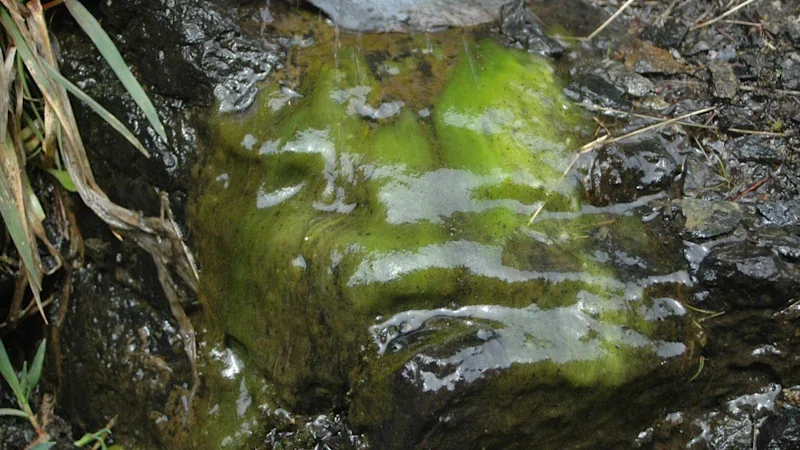
Invasive species pose significant threats to environments, with many potential invaders capable of causing serious harm through global trade and travel. Dr Carol Booth, a policy director at the Invasive Species Council, identifies several species that act as ecological threats.
Rock snot, a freshwater alga, can grow into thick mats that smother riverbeds. This alga invaded New Zealand in 2004 and spread through waterways via wet fishing and recreational equipment.
The polyphagous shot-hole borer was first detected in Perth in 2021 and has the potential to devastate the country if it hitches a ride further. This beetle has already caused the felling and destruction of trees in Perth, and it is estimated it could wipe out 47 per cent of Sydney's tree canopy if it reaches the east coast.
The climbing perch is another potential invader that can survive out of water for hours and wriggle across land between water bodies. After invading Papua New Guinea, the fish recently reached islands in the Torres Strait.
Other concerns include the red imported fire ant and the possibility of the Australian government allowing Bengal cats to be imported as pets. Dr Booth notes that the horror comes from humans moving species where they do not belong and failing to act while there is still a chance.
Key facts
- The polyphagous shot-hole borer could wipe out 47 per cent of Sydney's tree canopy if it reaches the east coast.
- Rock snot invaded New Zealand in 2004 and spreads via wet fishing and recreational equipment.
- The climbing perch has invaded Papua New Guinea and recently reached islands in the Torres Strait.
Three perspectives
Neutral
Invasive species are moved to new environments through global trade, travel, and the release of pets.
Positive
Prevention is a hero in biosecurity because it succeeds when there are no dramatic endings or lost wildlife.
Negative
Complacency is a real danger, as the cost of managing invasive species increases once they establish themselves.
Your week in news, every Wednesday
The biggest stories of the week for your edition, in your inbox every Wednesday morning, your time. Free, and you can unsubscribe at any time.