

Descendants of prominent British families support Caribbean slavery reparations
Members of the Gladstone, Lascelles and Trevelyan families have joined the call for reparative justice after discovering ancestral links to the slave trade.
 World Desk 3 min read
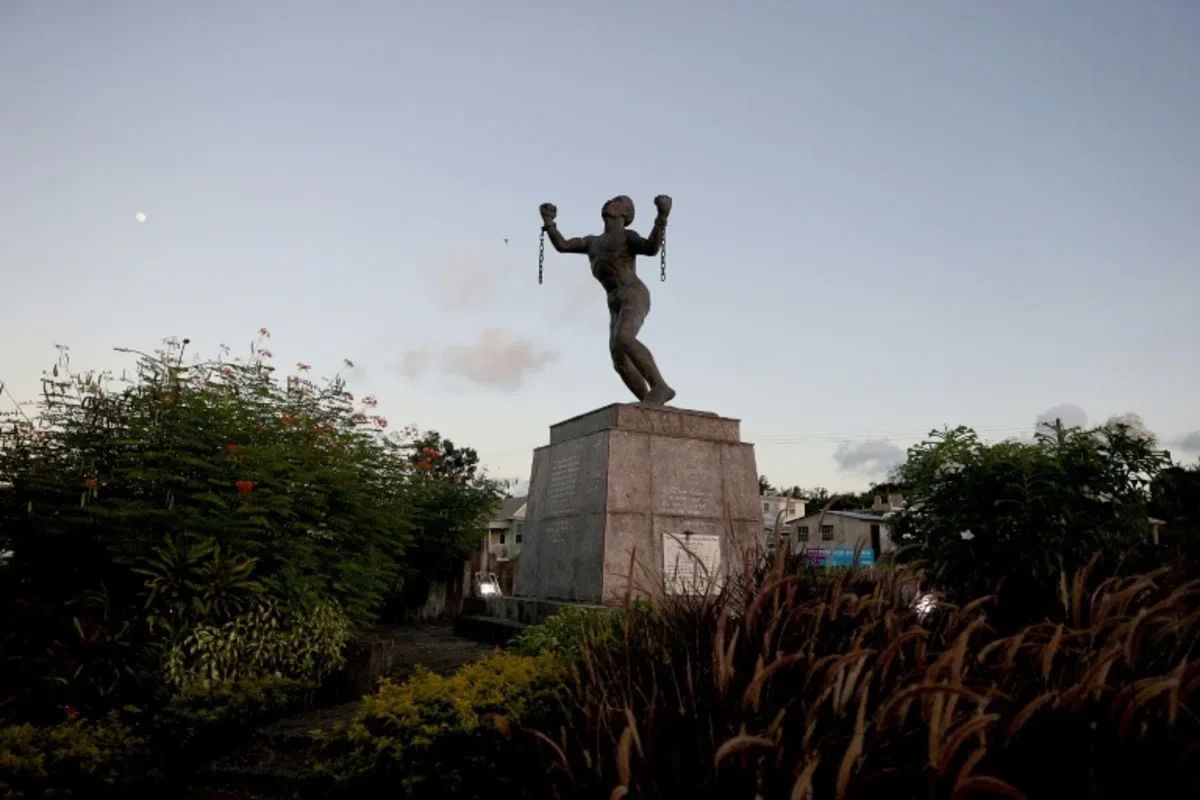
Descendants of some of Britain's most prominent families who benefitted from the slave trade have won support for Caribbean nations campaigning for slavery reparations. The Gladstone, Lascelles and Trevelyan families were at the heart of the governing elite as prime ministers, courtiers and aristocrats. These families accumulated significant wealth from slavery through the ownership of plantations in the West Indies and South America.
Laura Trevelyan, a former BBC journalist, co-founded the Heirs of Slavery group to support reparative justice after discovering her family claimed compensation for the loss of property in Grenada. She and other family members have paid voluntary personal reparations of around £100,000 ($133,000) for educational projects.
Co-founder Charlie Gladstone, a descendant of 19th century prime minister William Gladstone, made a public apology in Guyana in 2023. Another group member is the Earl of Harewood, David Lascelles, whose family has close links to the royal family. It was discovered that Lascelles ancestors worked on sugar plantations in Barbados.
The UK government reiterated its rejection of calls for slavery reparations in September. While modern British royals have expressed remorse, they have not issued an official apology like the government. King Charles III will begin a Caribbean tour on Tuesday, travelling to the Bahamas, Guyana and Antigua and Barbuda to address the Commonwealth Heads of Government meeting. A Buckingham Palace spokesman said the king would acknowledge the darkest days of colonial rule and slavery during the trip.
Guyana's President Irfaan Ali said his country would continue to champion the reparation issue, calling for a mature discussion on an apology and measures including debt relief, finance for education, healthcare and climate adaptation. The Reparations Commission of the Caribbean Community (Caricom) has called for monetary compensation, debt cancellation and a full apology as part of its Ten-Point plan.
Richard Drax, a former Conservative Party lawmaker and UK landowner, has remained staunchly opposed to reparations. His ancestors established the Drax Hall Estate in Barbados in the mid-17th century. Drax has said that while the role his ancestors played was deeply, deeply regrettable, no-one can be held responsible today for what happened many hundreds of years ago.
Key facts
- The Gladstone, Lascelles and Trevelyan families accumulated wealth from West Indies and South America plantations.
- Laura Trevelyan and family members have paid approximately £100,000 ($133,000) in voluntary reparations for educational projects.
- The UK government rejected calls for slavery reparations in September.
- Caricom's Reparations Commission has proposed a Ten-Point plan including monetary compensation and debt cancellation.
Three perspectives
Neutral
The UK government has rejected calls for reparations, while some descendants of slave-owning families are now supporting reparative justice.
Positive
Laura Trevelyan and other family members have paid voluntary personal reparations of around £100,000 for educational projects.
Negative
Richard Drax has remained staunchly opposed to reparations, stating that no-one can be held responsible today for what his ancestors did.
Your week in news, every Wednesday
The biggest stories of the week for your edition, in your inbox every Wednesday morning, your time. Free, and you can unsubscribe at any time.