

Russian air attacks strike Ukraine's steel and agriculture sectors
Missile and drone strikes on industrial plants and Black Sea ports are causing economic contraction and rising transport costs.
 Business Desk 2 min read
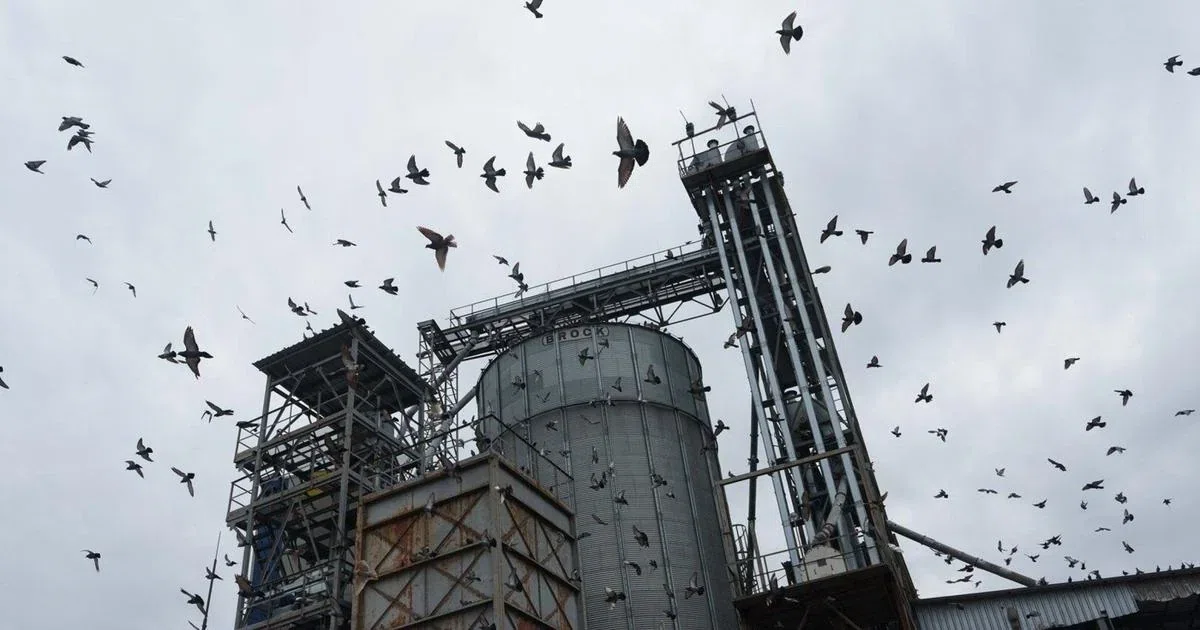
Russia's intensified air campaign is targeting Ukraine's industrial and energy plants, logistics networks, railways, and export routes. Near-daily strikes with ballistic missiles and jet-powered drones disrupt production and increase transport costs. Ukraine's central bank last week forecast a 0.4% economic contraction in 2026, reversing a previous projection of 1.8% growth, due to the attacks and rising global energy prices.
The steel industry has been hit by missile strikes that halted production across Metinvest Group. Five ballistic missiles struck the Kamet Steel complex in Kamianske on Sept. 5, causing the facility to close. Kamet Steel accounted for more than a quarter of Ukraine's steel output in 2025 and employed thousands. Kamet Steel CEO Oleksandr Tretyakov said the situation is the worst since the Second World War, noting that steel once accounted for about 6% of Ukraine's GDP.
Agriculture, which accounts for up to 60% of Ukraine's foreign currency earnings, is also facing pressure. Russian attacks on Black Sea shipping have reduced traffic through deep-water ports, with only 21 ship arrivals in August, a 90% decrease from a year earlier. High insurance premiums and the threat of strikes deter shipowners.
Farmers are struggling to find safe export routes and face rising costs. Transporting corn from central Ukraine to Spain cost up to $50 per ton earlier this year, but can now reach $150. Nibulon trade director Volodymyr Scavinskyi said ship traffic has surged through the Danube River, but the Sulina Channel is too shallow for large vessels and drought has lowered water levels.
The economic squeeze is affecting future production. HarvEast commercial director Olena Shelest said the company is holding wheat in silos while waiting for prices to stabilize, but grain must be sold by year's end to fund next year's planting. Corn prices have fallen from an average of $210 to $230 per ton last year to around $130. Roksolana Pidlasa, head of the parliament's budget committee, said Ukraine is facing its worst cash squeeze since the 2022 invasion.
Key facts
- Ukraine's central bank forecast a 0.4% economic contraction in 2026.
- Five ballistic missiles struck the Kamet Steel complex on Sept. 5.
- Ship arrivals at Black Sea ports in August were down about 90% from a year earlier.
- The inflation forecast was raised to 12.5% from 10% in July.
Three perspectives
Neutral
Russia's air campaign targets Ukraine's industrial, energy, and logistics infrastructure.
Positive
Ship traffic from Ukraine's Danube River ports to the Black Sea has surged despite the threat of bombardment.
Negative
The air war is choking revenue from steel and agriculture, leading to a deepening cash crunch for the government.
Your week in news, every Wednesday
The biggest stories of the week for your edition, in your inbox every Wednesday morning, your time. Free, and you can unsubscribe at any time.