 Nepal
NepalNepal Floods Put Thousands at Risk
Researchers found 294,000 people exposed to catastrophic flood risk in Nepal's high mountain basins, with the number expected to grow. The government has halted the search for thousands missing in recent floods.
 Global Newsflix 2 min read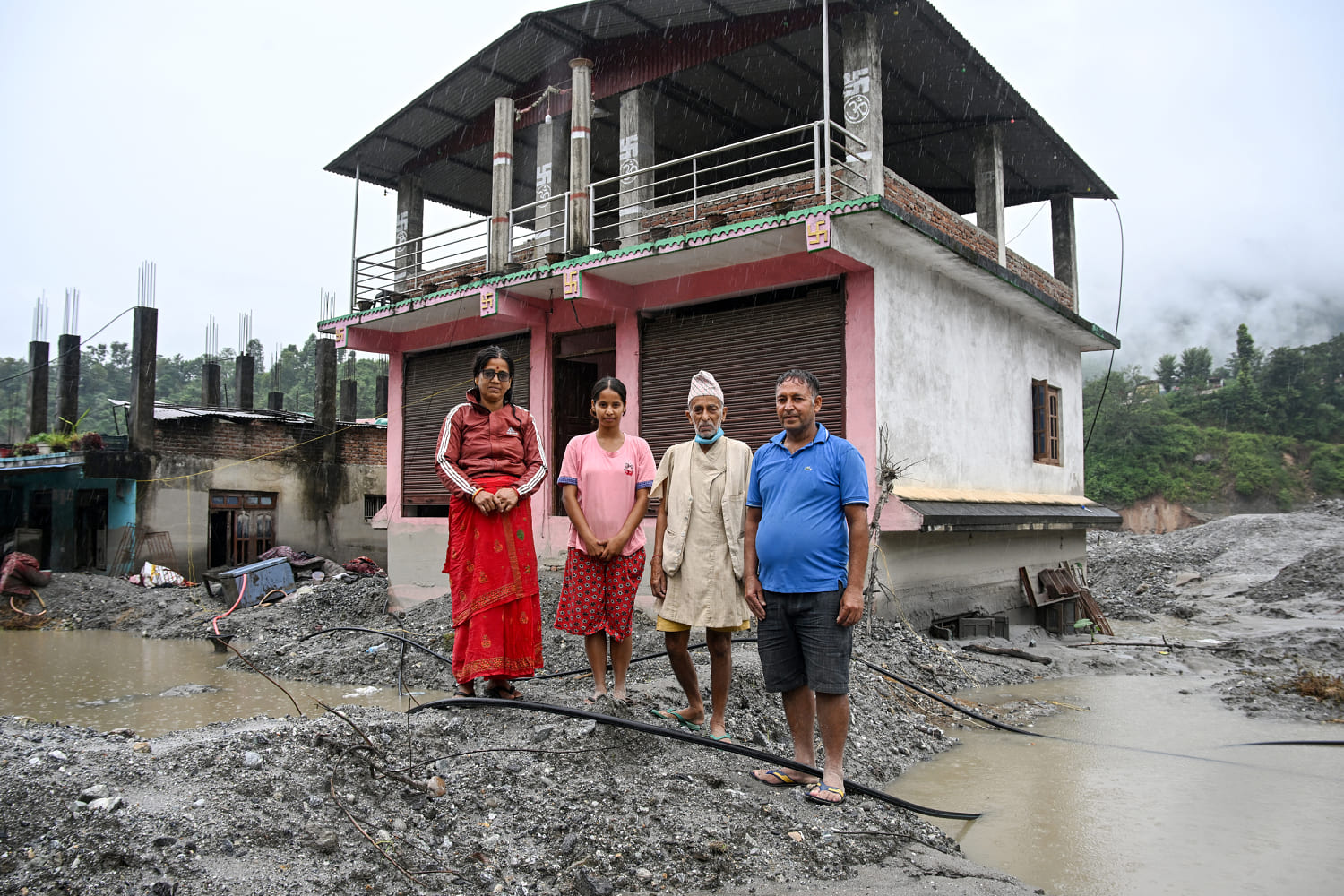
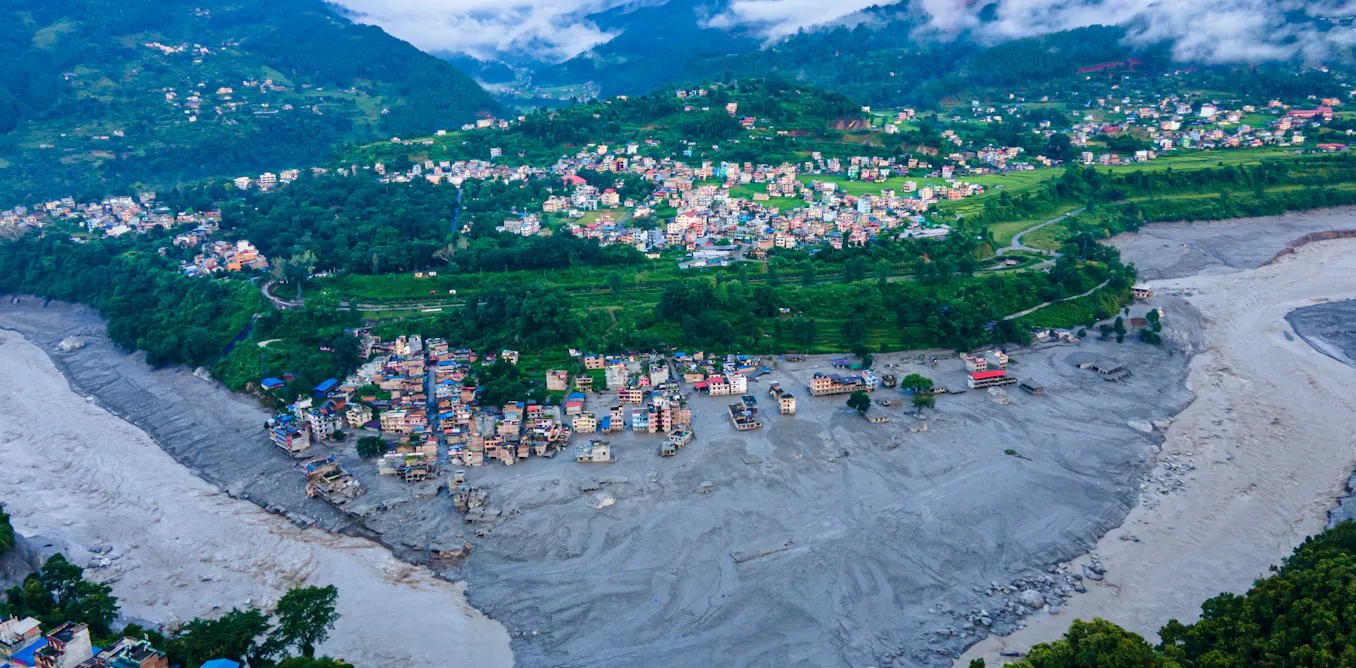
At least 1,455 people were killed and 5,285 remain missing after catastrophic floods hit Nepal in August. The government has stopped searching for victims, according to the office of Prime Minister Balendra Shah.
The decision to cease search and rescue operations was made to focus on rehabilitation and reconstruction efforts, including restoring roads and bridges in remote areas.
Researchers at the University of Leeds found that about 294,000 people are living in areas of extreme risk in Nepal's high mountain basins. This number is expected to grow due to climate change and development in hazardous zones.
Scott Watson, a senior research fellow at the University of Leeds, said the recent disaster should serve as a wake-up call for Nepal to focus on early warning systems and land use zoning.
The researchers' analysis, published in the journal Scientific Reports, found that about 108,000 people are downstream of glacial lakes, which are pools of water dammed by ice that could fail and release a flush of water all at once.
The government estimates that reconstruction and recovery efforts will cost $4.77 billion. Nearly 33,000 people have been affected, and about 7,500 homes were damaged or destroyed.
The halt in search operations has left families of missing people with mixed feelings, as hopes of finding survivors were briefly revived with the rescue of two Nepalese workers and a Chinese man from an underground tunnel.
Key facts
- At least 1,455 people killed in August floods
- 5,285 people remain missing
- 294,000 people exposed to catastrophic flood risk
- Reconstruction and recovery efforts estimated to cost $4.77 billion
Three perspectives
Neutral
The situation in Nepal remains challenging, with thousands still missing and reconstruction efforts underway. The government's decision to halt search operations has been met with mixed reactions. Further developments are expected as the country works to recover from the disaster.
Positive
The research highlighting the flood risk in Nepal's high mountain basins could lead to increased focus on early warning systems and land use zoning, potentially saving lives in the future. The rescue of survivors from the underground tunnel has also brought hope to families of missing people.
Negative
The halt in search operations has been criticized by families of missing people, who feel that the government is giving up on finding their loved ones. The estimated cost of reconstruction and recovery efforts is also a significant burden for the country.
Your week in news, every Wednesday
The biggest stories of the week for your edition, in your inbox every Wednesday morning, your time. Free, and you can unsubscribe at any time.