

 South Africa
Home Affairs to launch biometric asylum registration platform on 10 November
The department plans a fingerprint and facial scan system following a Constitutional Court ruling, while the Justice Minister proposes passport requirements for SIM card registration.
 Politics Desk 2 min read
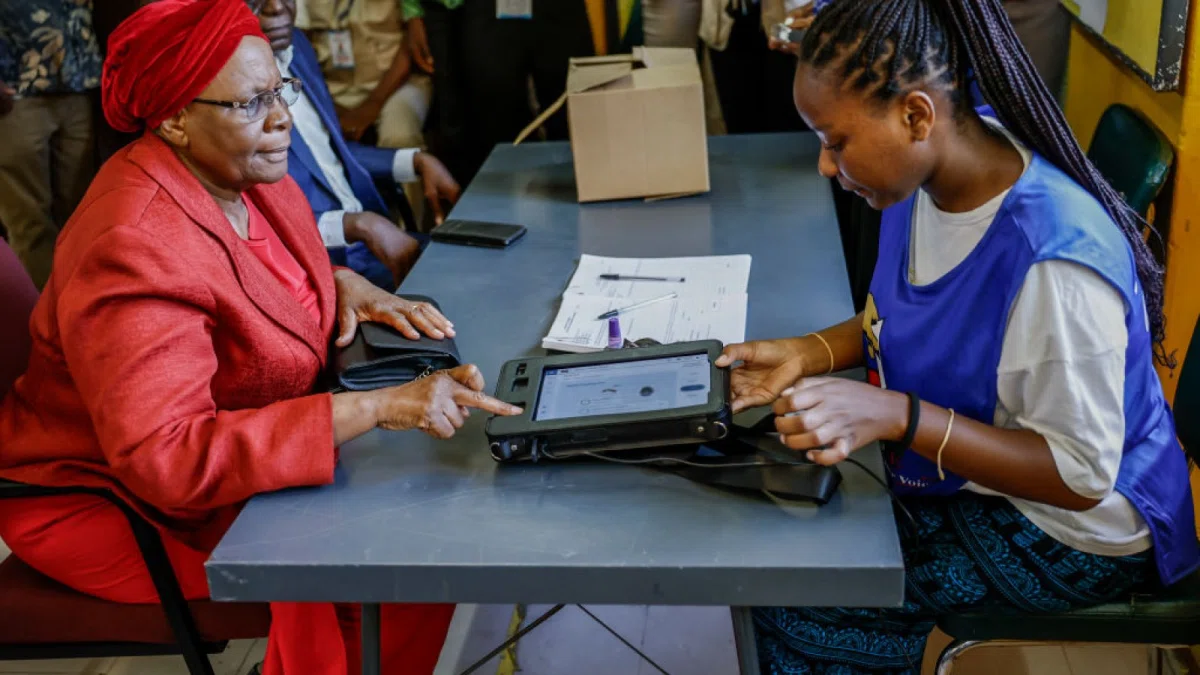
The Department of Home Affairs plans to launch a fingerprint and facial scan asylum platform on 10 November. Home Affairs Minister Leon Schreiber said the platform is a compliance mechanism and an efficiency tool that will collect biometric and identity information at the point of registration. The system will enable the department to verify identities, detect duplicate or previously rejected claims, and track cases through a digitized appointment system.
The launch follows a 7 July 2026 Constitutional Court ruling in Scalabrini Centre of Cape Town and Another v Minister of Home Affairs and Others (CCT 126/25). The court struck down four provisions of the Refugees Act that blocked asylum applications from people entering without transit visas or those unable to demonstrate good cause for irregular entry. The ruling expanded the population eligible to present themselves to Refugee Reception Offices, which currently face a backlog of approximately 120,000 appeals.
Justice Minister Mmamoloko Kubayi proposed that all foreign nationals present passports when registering SIM cards. This proposal would tie mobile telecommunications access to immigration status for more than 167,000 refugees and asylum seekers registered by UNHCR, though government estimates suggest the broader affected population, including undocumented persons, reaches 250,000.
The department has not publicly confirmed if the asylum platform's data architecture underwent a formal Privacy Impact Assessment before the 10 November target. While the Protection of Personal Information Act does not explicitly mandate such assessments, the Information Regulator's guidelines recommend them for high-risk processing, such as collecting biometric data from asylum seekers.
The new system will build on the Home Affairs National Identification System (HANIS), which uses an NEC Corporation Automated Fingerprint Identification System (AFIS) to hold more than 30 million fingerprint records. It also follows the Electronic Travel Authorisation (ETA) system, which has processed more than 203,000 applications.
Key facts
- Home Affairs plans to launch a biometric asylum registration platform on 10 November.
- The Constitutional Court struck down four Refugees Act provisions on 7 July 2026.
- Justice Minister Mmamoloko Kubayi proposed requiring foreign nationals to show passports for SIM card registration.
Three perspectives
Neutral
The Department of Home Affairs is implementing a biometric asylum registration platform on 10 November following a Constitutional Court ruling.
Positive
Minister Leon Schreiber said the new system will improve efficiency by enabling identity verification and tracking cases through a digitized appointment system.
Negative
The department has not confirmed if a formal Privacy Impact Assessment has been conducted for the new biometric platform.
Your week in news, every Wednesday
The biggest stories of the week for your edition, in your inbox every Wednesday morning, your time. Free, and you can unsubscribe at any time.