

Project HOPE expands maternal health care in Sierra Leone
A year-long initiative with the Ministry of Health strengthened services in 184 facilities to prevent and treat postpartum hemorrhage.
 Health Desk 2 min read
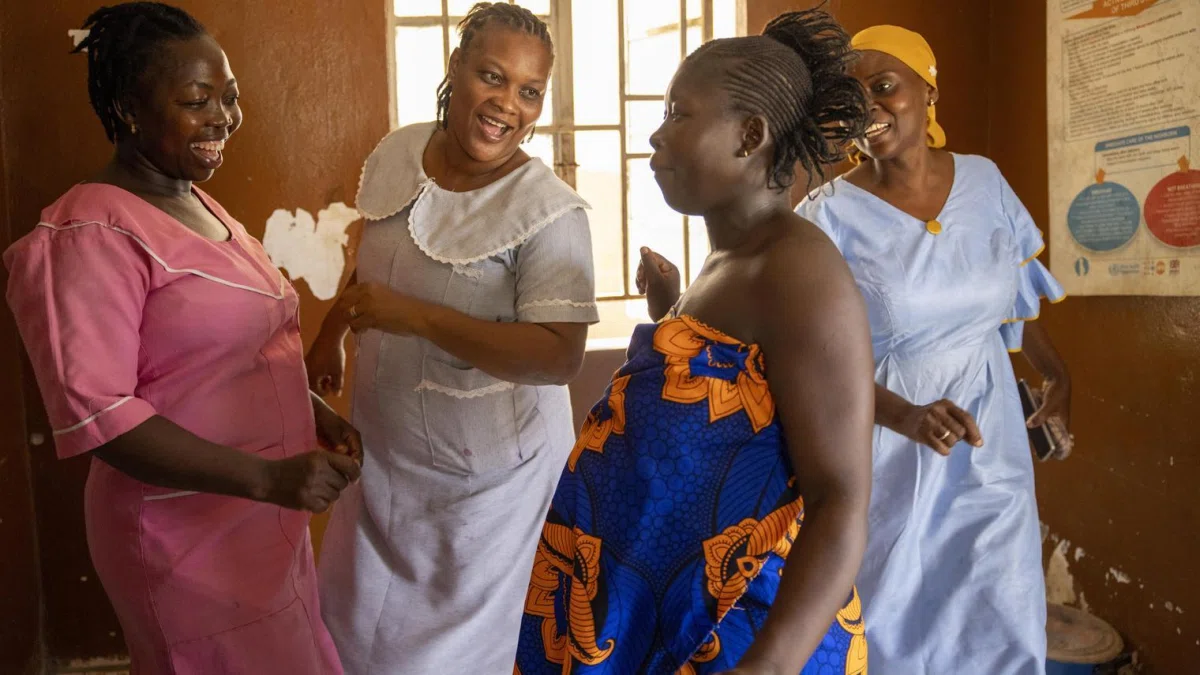
Project HOPE, in partnership with Sierra Leone’s Ministry of Health and local partners, has expanded access to prevention and care for postpartum hemorrhage (PPH) through a year-long initiative. The program strengthened maternal health services in 184 public and faith-based health facilities, serving nearly 868,000 people.
To address barriers such as medicine storage and power outages, the project supported the scale-up of heat-stable carbetocin (HSC) and tranexamic acid (TXA). These medicines help prevent and treat excessive bleeding after childbirth. During the project, 3,923 women received HSC for PPH prevention and 182 women received TXA to treat PPH.
Project HOPE trained and mentored hundreds of health workers and tutors to improve their ability to respond to PPH and other obstetric emergencies. During mentorship visits, project teams reviewed more than 4,200 deliveries and supported facilities in implementing best practices for PPH prevention, early detection, and treatment.
The initiative also worked with the Ministry of Health and academic institutions to integrate PPH prevention and treatment into pre-service midwifery curricula in Bo, Makeni and Kenema. This work aims to prepare the next generation of health workers.
Key facts
- The initiative served nearly 868,000 people across 184 public and faith-based health facilities.
- Project teams reviewed more than 4,200 deliveries during mentorship visits.
- 3,923 women received heat-stable carbetocin for PPH prevention.
Three perspectives
Neutral
Project HOPE and the Ministry of Health implemented a year-long initiative to improve maternal health outcomes through training and medicine scale-up.
Positive
The program strengthened maternal health services for nearly 868,000 people and integrated PPH care into midwifery curricula in Bo, Makeni and Kenema.
Negative
PPH remains a major threat, particularly in settings where 70% of health facilities lack a functioning refrigerator and frequent power outages impact medication efficacy.
Your week in news, every Wednesday
The biggest stories of the week for your edition, in your inbox every Wednesday morning, your time. Free, and you can unsubscribe at any time.