

Human Rights Commission says militarisation persists in north and east
The Commission reported a pattern of land appropriation and intimidation in Tamil-majority provinces 17 years after the civil war.
 Politics Desk 2 min read
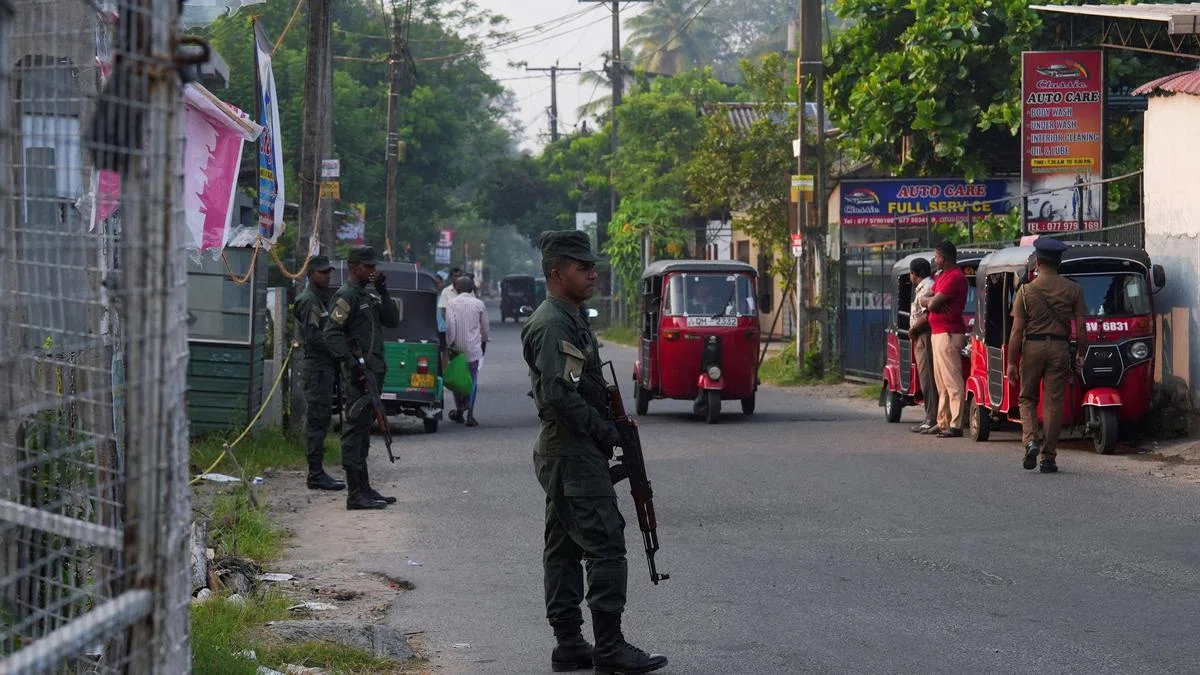
Militarisation of Sri Lanka’s Tamil-majority north and east persists 17 years after the end of the civil war, despite state assurances to reduce the military footprint, the Human Rights Commission of Sri Lanka has said. The Commission's report, titled ‘The Human Rights Situation of the Northern and Eastern Provinces of Sri Lanka’, pointed to a sustained pattern of land appropriation, denial of access to traditional livelihoods, and intimidation of local populations.
The Commission urged the government to expedite the return of military-occupied lands to the people and ensure full restoration of property rights and livelihoods. It also emphasised that the government should refrain from using national security as a blanket justification for land acquisition, particularly where such actions affect minority communities or facilitate religious encroachment. The report suggested the state take concrete steps to withdraw military involvement from civilian economic sectors, specifically agriculture and education.
In August this year, President Anura Kumara Dissanayake, who is also the Minister of Defence, instructed security forces to expedite the release and return of land taken over during the war that is no longer required for security purposes. Ministry spokesman Brigadier Franklin Joseph claimed over 90% of lands previously held by the military have been returned to the people, though he noted some cases involve owners who are unknown or lack proof of ownership.
Thurairasa Ravikaran, an MP from the opposition Ilankai Tamil Arasu Kadchi representing the Mullaitivu district, said it is unfair to expect families who fled during the war to produce documents.
The Commission noted military involvement in economic activities, including agriculture and pre-school teaching, often through the Civil Security Department. Military officials are directly involved in the administration of teachers in pre-schools. In Mullaitivu district, armed military men in uniform are sometimes seen running shops or manning traffic at junctions.
Key facts
- The Human Rights Commission reported sustained land appropriation and intimidation in the Northern and Eastern Provinces.
- Ministry spokesman Brigadier Franklin Joseph stated over 90% of previously military-held lands have been returned.
Three perspectives
Neutral
The Human Rights Commission reported persistent militarisation in the north and east, while the Ministry of Defence stated that over 90% of previously held lands have been returned.
Positive
President Anura Kumara Dissanayake instructed security forces in August to expedite the return of land no longer required for security purposes.
Negative
The Human Rights Commission identified a sustained pattern of land appropriation, denial of access to traditional livelihoods, and intimidation of local populations.
Your week in news, every Wednesday
The biggest stories of the week for your edition, in your inbox every Wednesday morning, your time. Free, and you can unsubscribe at any time.