

One in five adults with advanced HIV in Guyana has serious infection
A national study found that one-third of opportunistic infections were asymptomatic, linked to higher mortality rates.
 Health Desk 2 min read
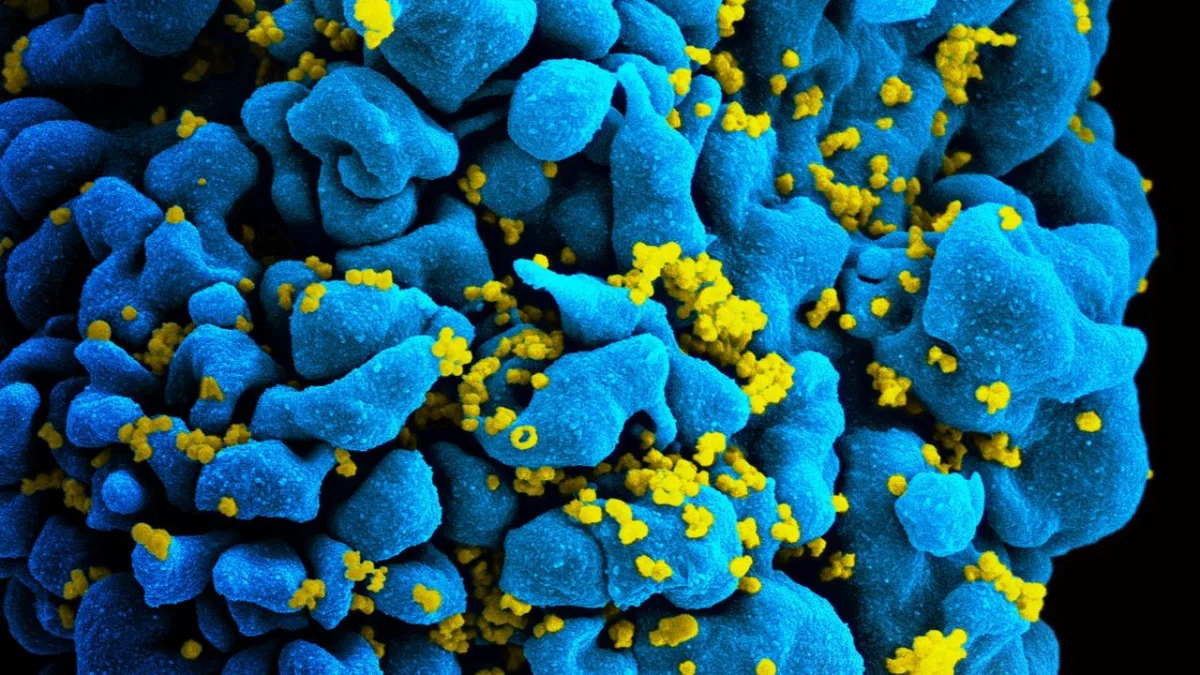
A clinical study conducted across Guyana found that one in five adults living with advanced HIV disease carries at least one serious infection linked to a compromised immune system. The research involved 112 adults receiving HIV care at seven healthcare facilities between February 2024 and March 2025. Results showed 21.4 per cent of participants had at least one confirmed opportunistic infection.
Tuberculosis was the most prevalent infection at 15.2 per cent, followed by cryptococcosis at 6.3 per cent and histoplasmosis at 2.7 per cent. Approximately one-third of these opportunistic infections were present in patients who exhibited no obvious symptoms. Dr Jagnarine said the presence of confirmed infections in asymptomatic patients demonstrates the limitations of relying solely on visible signs of illness.
Undetected infections are linked to higher mortality rates. Within 30 days of the study period, 20.8 per cent of patients with positive screening results had died, compared with 6.8 per cent of those who tested negative. By the 90-day mark, mortality rates were 37.5 per cent for the positive group versus 11.4 per cent for the negative group.
Dr Jagnarine identified the delayed initiation of antiretroviral therapy (ART) as the strongest driver of adverse outcomes. While all participants completed CD4 testing, only 85 per cent completed the full rapid diagnostic screening panel. Initiation of ART was recorded for 69.3 per cent of patients.
Preventive measures showed low adherence, with 60.6 per cent receiving Septrin and 38.3 per cent receiving tuberculosis preventive therapy. Researchers recommended implementing routine screening for all eligible patients entering or returning to HIV treatment services. They also called for improved access to diagnostic tests, more reliable medicine supplies, and strengthened treatment and follow-up programmes.
Key facts
- One in five adults with advanced HIV in Guyana carries at least one serious opportunistic infection.
- Tuberculosis was the most common infection found, affecting 15.2 per cent of the cohort.
- Mortality at the 90-day mark was 37.5 per cent for patients with positive screening results.
Three perspectives
Neutral
A study of 112 adults at seven Guyanese healthcare facilities found that 21.4 per cent had confirmed opportunistic infections.
Positive
Researchers concluded that rapid screening for multiple infections is feasible across the participating Guyanese healthcare facilities.
Negative
Delayed initiation of antiretroviral therapy was identified as the strongest driver of adverse outcomes in the study.
Your week in news, every Wednesday
The biggest stories of the week for your edition, in your inbox every Wednesday morning, your time. Free, and you can unsubscribe at any time.