

Migration deals with third countries cut crossings by up to 90 per cent
Research shows agreements to return migrants or intercept crossings reduced arrivals in destination countries by between 58 per cent and 93 per cent.
 World Desk 3 min read
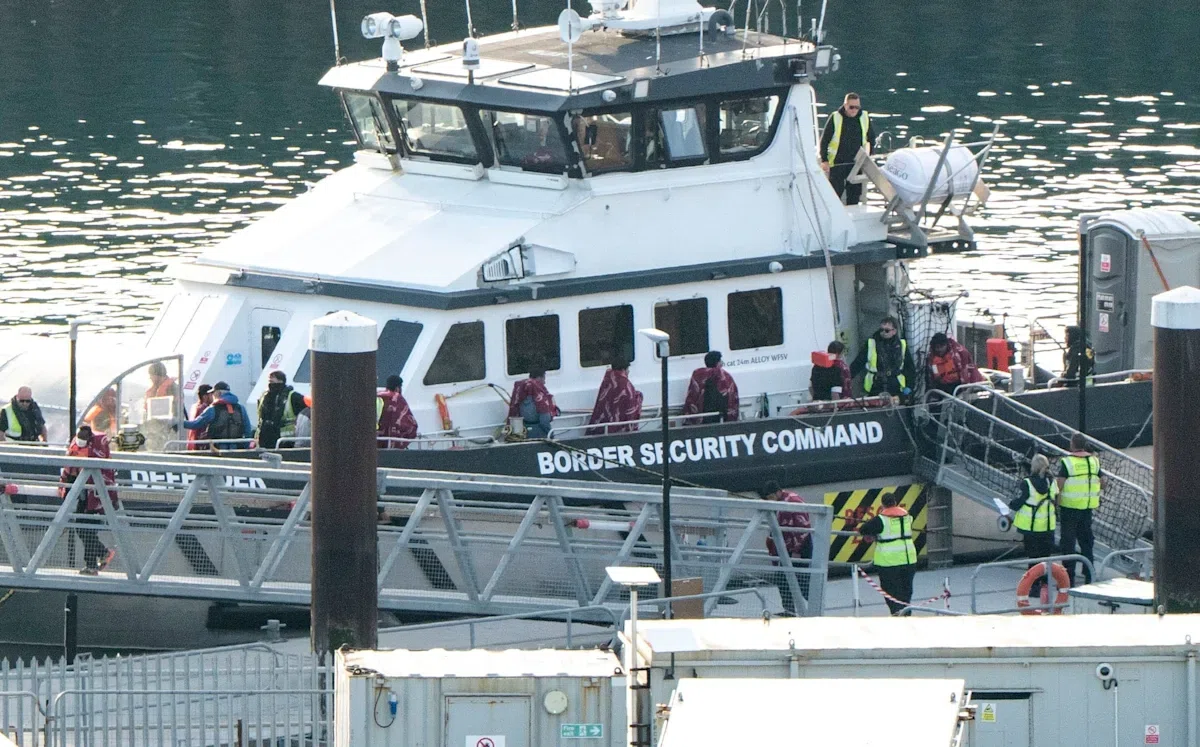
Agreements where states take back their migrants or intercept crossings reduced arrivals in destination countries by between 58 per cent and 93 per cent, according to analysis by the Henry Jackson Society. These findings were consistent across deals involving the UK with Albania, the EU with Turkey and Tunisia, Italy with Libya, and Spain with Morocco.
The UK-Albania deal saw the number of Albanian small boat migrants fall by 93 per cent from 12,658 in 2022 to 927 in 2023, and down to nine in the first quarter of this year. This deal paved the way for fast-track deportations of asylum seekers, visa overstayers and foreign-national offenders back to Albania, alongside greater intelligence sharing and officers placed in each other's country to target people smuggling. The UK also provided millions in aid and support for the Albanian criminal justice system.
Other bilateral deals also showed significant reductions. The EU-Turkey agreement saw migrant arrivals decrease from a peak of 182,277 in 2016 to 20,280 in 2020, with 8,680 arrivals this year. Italy's deal with Libya saw crossings on the central Mediterranean route fall by 80 per cent from 181,376 in 2016 to 23,485 in 2018. A deal between the EU and Tunisia saw crossings on the central Mediterranean route fall from 158,000 in 2023 to just over 66,000 in 2024 and 2025.
Michael McManus, the author of the report, said that when deals with third countries are enforced at scale, crossings fall and fewer people die at sea. He stated that the UK-Albania deal should be used as a template for returns agreements with main countries of origin. McManus also said the collapse of the France deal leaves Britain without the deterrence it needs.
The report recommended that ministers convene a Royal Commission to consider whether to withdraw from the European Convention on Human Rights if European judges continue to use it to block removals. It noted that human-rights legal challenges played a key role in thwarting the Rwanda plan.
A Home Office spokesman said the UK continues to work with international partners to strengthen returns agreements and stop small boat crossings. The partnership with France alone has prevented more than 50,000 crossings since the election. The spokesman added that the UK is reforming human rights laws to prevent abuse and is prepared to issue sanctions to countries that refuse to co-operate on returns.
Key facts
- Migration deals with third-party countries can cut crossings by up to 90 per cent.
- The UK-Albania deal reduced Albanian small boat migrant numbers from 12,658 in 2022 to nine in the first quarter of this year.
- Deaths during attempted crossings decreased by more than half following migrant deals.
Three perspectives
Neutral
Research by the Henry Jackson Society indicates that bilateral migration deals involving returns or interceptions have reduced arrivals in destination countries by 58 to 93 per cent.
Positive
The UK-Albania deal facilitated fast-track deportations and increased intelligence sharing to target people smuggling.
Negative
The collapse of the Labour deal with France and the failure to implement the Rwanda scheme removed potential deterrents to crossings.
Your week in news, every Wednesday
The biggest stories of the week for your edition, in your inbox every Wednesday morning, your time. Free, and you can unsubscribe at any time.