

Digital duel and AI content used in Uganda election, study shows
Rival political networks used deceptive online campaigns, inauthentic buzzer accounts, and AI-generated content to shape public perceptions during the January 2026 election.
 Politics Desk 2 min read
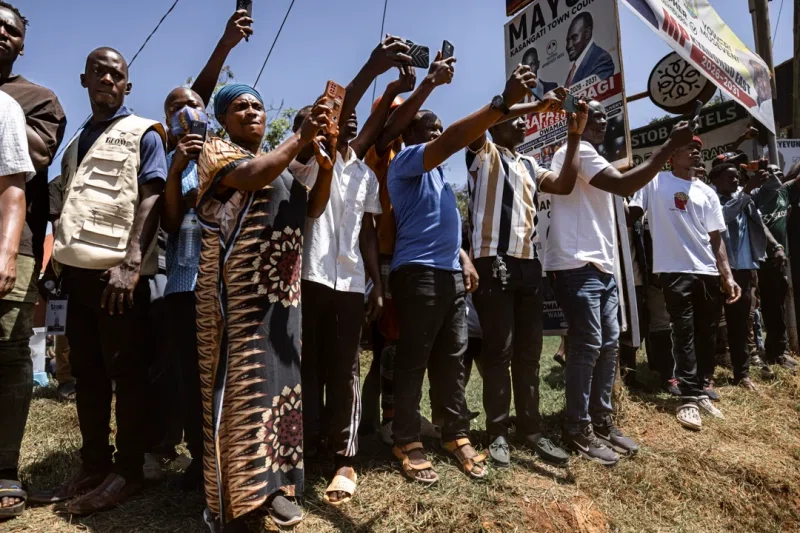
Rival political networks used deceptive online campaigns and AI-generated content to shape public perceptions during the January 2026 election in Uganda. The election was essentially a two-sided digital duel between the ruling National Resistance Movement (NRM) and the Bobi Wine-led National Unity Platform (NUP).
Both the NRM and NUP used inauthentic buzzer accounts, which are human-operated fake profiles or sock puppets, to amplify their narratives. These covert measures do not require disclosure of activities or payments associated with the accounts. The NUP maintained its online presence through coordinated reposting and diaspora mobilisation despite tight state control of information and an internet shutdown.
State-aligned influencers used a popular entertainment YouTube channel to boost the NRM's presence and reposition the party for youth. This operation streamed pro-government rallies and reformatted footage into election explainers, which were passed to influencers on the ruling party's payroll as supposedly neutral reportage.
The election also saw the use of artificial intelligence-generated deepfakes and videos taken out of context. A network of at least nine nodes streamed and repackaged material in an operation branded The Longest Online Rally. Foreign influence activity was also present, including Russia-aligned and Make America Great Again (MAGA)-aligned accounts that used election hashtags to push neo-colonial narratives and anti-Western sentiment.
Attacks on legacy media were also featured, including a cyberattack on a national media platform days before polling. Following the election, General Muhoozi Kainerugaba, the armed forces head and leader of the Patriotic League of Uganda, temporarily shut down Nation Media Group for critical reporting.
Key facts
- The January 2026 election involved a digital duel between the NRM and the NUP.
- Both political sides used inauthentic buzzer accounts to amplify their narratives.
- State-aligned influencers used a YouTube channel to reposition the NRM as a party for youth.
- General Muhoozi Kainerugaba temporarily shut down Nation Media Group for critical reporting.
Three perspectives
Neutral
The January 2026 election in Uganda involved coordinated online influence campaigns from both the NRM and the NUP.
Positive
The NUP maintained its online presence through coordinated reposting and diaspora mobilisation despite an internet shutdown.
Negative
The use of inauthentic buzzer accounts and AI-generated deepfakes was used to shape public perception through covert measures.
Your week in news, every Wednesday
The biggest stories of the week for your edition, in your inbox every Wednesday morning, your time. Free, and you can unsubscribe at any time.